THE ADVENTURE COLLECTIVE® · Independent discovery and booking for outdoor travel

A concentrated week across Uganda’s major wildlife hotspots: Murchison Falls’ thunder, Kibale’s chimp-filled canopy and the steep, misty slopes of Bwindi where mountain gorillas live. Expect long drives, early starts and one-hour gorilla encounters that reward stamina with rare, up-close moments.
A concentrated week across Uganda’s major wildlife hotspots: Murchison Falls’ thunder, Kibale’s chimp-filled canopy and the steep, misty slopes of Bwindi where mountain gorillas live. Expect long drives, early starts and one-hour gorilla encounters that reward stamina with rare, up-close moments.
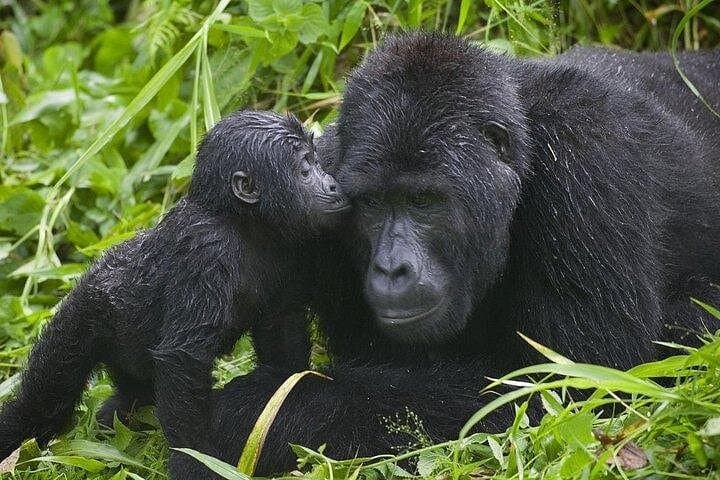
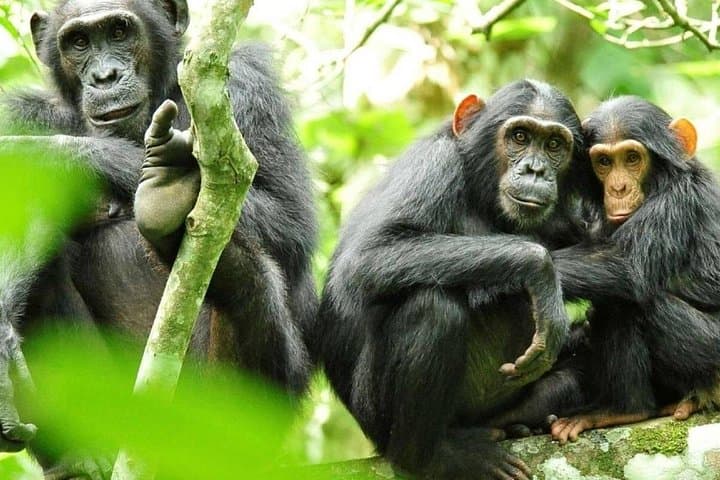
Dawn lightslides across the equatorial highlands as your guide steers north from Kampala, the road folding through terraced hills and small trading villages. By the second day you’ll be watching the Nile force itself through a narrow gorge at Murchison Falls, and later your boots will sink into the sodden leaf litter of Kibale’s chimp country and the steep, green slopes of Bwindi where mountain gorillas move like low clouds among tall trees.
Verified experiences and guided adventures in the surrounding area.
Operated by Rumara Safaris SMC Ltd · Kampala, Western Region
Dawn lightslides across the equatorial highlands as your guide steers north from Kampala, the road folding through terraced hills and small trading villages. By the second day you’ll be watching the Nile force itself through a narrow gorge at Murchison Falls, and later your boots will sink into the sodden leaf litter of Kibale’s chimp country and the steep, green slopes of Bwindi where mountain gorillas move like low clouds among tall trees.
Uganda’s landscape is a product of tectonic uplift and volcanic soils; forests here sheltered human communities for centuries and today support some of Africa’s most important primate populations. Kibale is famed for its high density of primates and rich birdlife, while Bwindi Impenetrable Forest, a UNESCO site, conserves roughly half the world’s mountain gorillas. Local Batwa and Bakiga communities have deep cultural ties to these forests and participate in community tourism and trail stewardship.
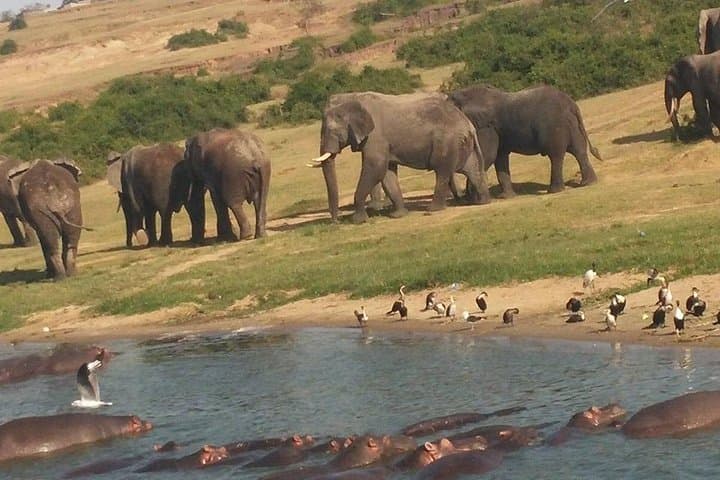
Practical guidance: gorilla permits are required and limit viewing time to one hour; trekking can take 2–8 hours depending on gorilla movements. Trails are steep, muddy and often overgrown—expect slippery roots and sudden climbs. Wear waterproof boots, bring layered clothing, insect repellent and 2–3 liters of water; keep conversations low and follow your ranger’s instructions to protect both you and the animals. Boat cruises on the Nile offer easy wildlife viewing between land treks, and daily pacing—early starts, midday rest—keeps energy for the forests’ demanding slopes.
This is a blend of vehicle-based game drives, river cruises and forest hikes: plan for varied footing, wet weather and unforgettable close encounters with some of Africa’s rarest wildlife.
Yes—gorilla and chimpanzee trekking permits are required, limited in number and usually arranged before travel; the permit covers the one-hour viewing rule.
Trekking time varies widely—between 2 and 8 hours—depending on gorilla movements and the chosen family’s location; be prepared for full-day effort.
Gorilla trekking can be physically demanding and isn’t recommended for those with serious mobility limitations; check with the operator for options like porters or shorter walks.
The drier months (June–September and December–February) often mean firmer trails and easier trekking, but gorilla viewing is good year-round and rains do not preclude safaris.
Rumara Safaris SMC Ltd operates guided outdoor trips and adventures with an emphasis on safety, stewardship, and memorable experiences.
Dawn lightslides across the equatorial highlands as your guide steers north from Kampala, the road folding through terraced hills and small trading villages. By the second day you’ll be watching the Nile force itself through a narrow gorge at Murchison Falls, and later your boots will sink into the sodden leaf litter of Kibale’s chimp country and the steep, green slopes of Bwindi where mountain gorillas move like low clouds among tall trees.
Dawn lightslides across the equatorial highlands as your guide steers north from Kampala, the road folding through terraced hills and small trading villages. By the second day you’ll be watching the Nile force itself through a narrow gorge at Murchison Falls, and later your boots will sink into the sodden leaf litter of Kibale’s chimp country and the steep, green slopes of Bwindi where mountain gorillas move like low clouds among tall trees.
Uganda’s landscape is a product of tectonic uplift and volcanic soils; forests here sheltered human communities for centuries and today support some of Africa’s most important primate populations. Kibale is famed for its high density of primates and rich birdlife, while Bwindi Impenetrable Forest, a UNESCO site, conserves roughly half the world’s mountain gorillas. Local Batwa and Bakiga communities have deep cultural ties to these forests and participate in community tourism and trail stewardship.
Practical guidance: gorilla permits are required and limit viewing time to one hour; trekking can take 2–8 hours depending on gorilla movements. Trails are steep, muddy and often overgrown—expect slippery roots and sudden climbs. Wear waterproof boots, bring layered clothing, insect repellent and 2–3 liters of water; keep conversations low and follow your ranger’s instructions to protect both you and the animals. Boat cruises on the Nile offer easy wildlife viewing between land treks, and daily pacing—early starts, midday rest—keeps energy for the forests’ demanding slopes.
This is a blend of vehicle-based game drives, river cruises and forest hikes: plan for varied footing, wet weather and unforgettable close encounters with some of Africa’s rarest wildlife.