THE ADVENTURE COLLECTIVE® · Independent discovery and booking for outdoor travel

A private seven-day circuit from Osaka to Hiroshima that pairs UNESCO World Heritage sites—Nara, Kyoto, Uji and Miyajima—with private transport and bullet train travel. Expect temple steps, tea ceremony, forested island approaches and a paced, culturally focused itinerary.
A private seven-day circuit from Osaka to Hiroshima that pairs UNESCO World Heritage sites—Nara, Kyoto, Uji and Miyajima—with private transport and bullet train travel. Expect temple steps, tea ceremony, forested island approaches and a paced, culturally focused itinerary.
You step out of Kansai Airport into a cool, efficient hush—an English-speaking driver waits with your name on a board and the city unfurls: neon Osaka, temple roofs in Kyoto, the deer of Nara, and the salt-scented approach to Miyajima.
Verified experiences and guided adventures in the surrounding area.
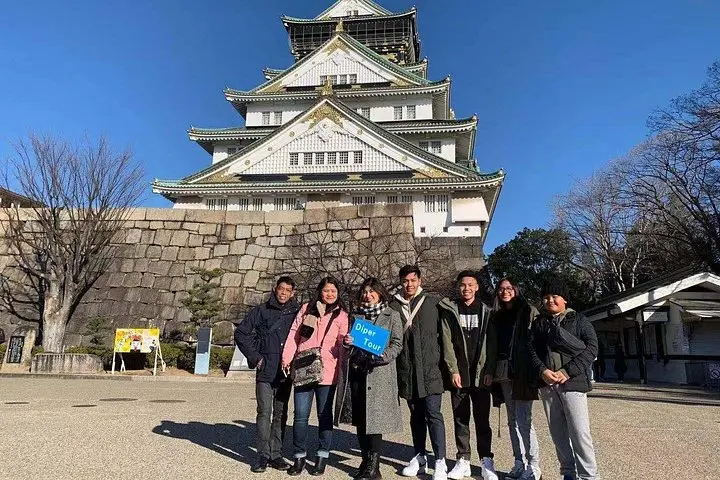
Operated by Diper Tour · Osaka, Osaka Prefecture
You step out of Kansai Airport into a cool, efficient hush—an English-speaking driver waits with your name on a board and the city unfurls: neon Osaka, temple roofs in Kyoto, the deer of Nara, and the salt-scented approach to Miyajima.
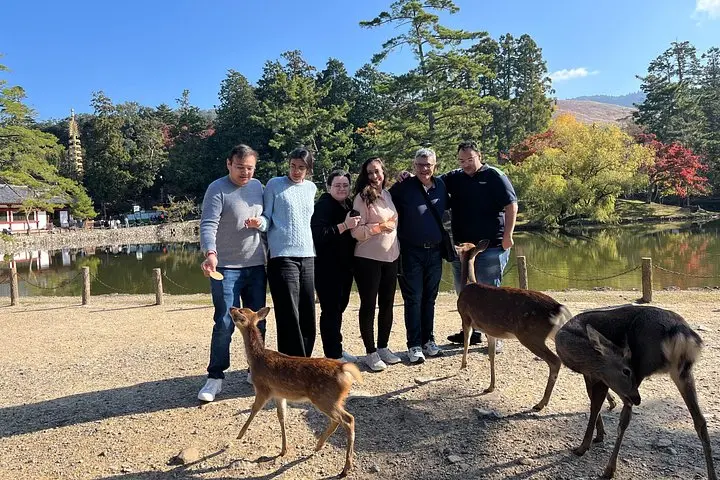
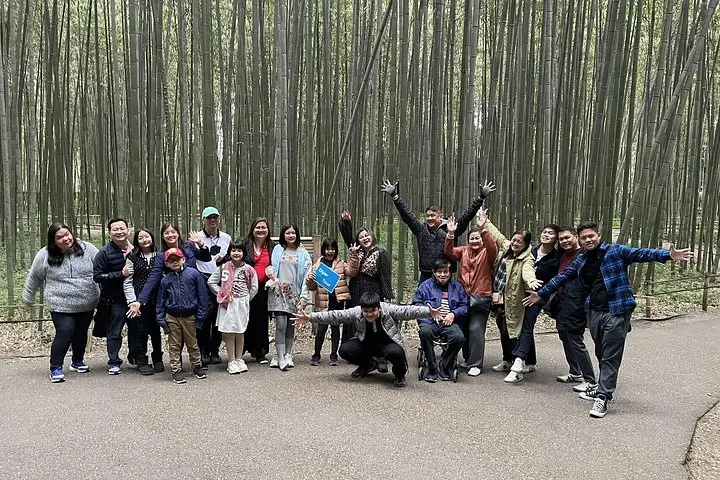
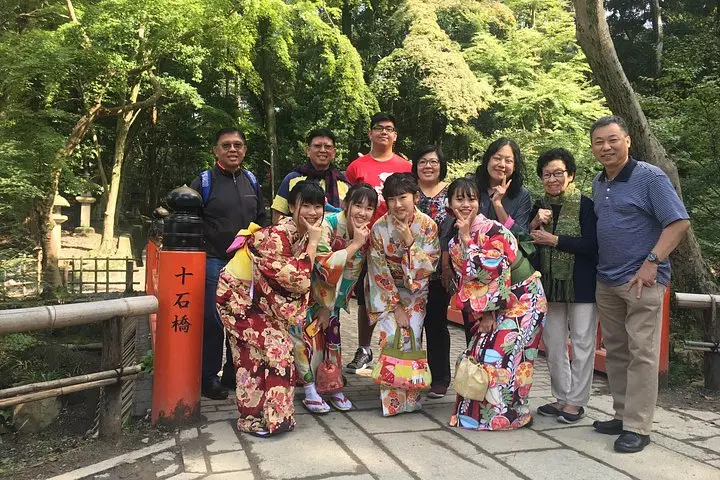
This private seven-day loop threads Japan’s UNESCO highlights with local rhythms. In Nara the bronze-faced Buddha of Todai-ji and courting deer share the park; Kyoto’s Kiyomizudera and Fushimi Inari trace centuries of pilgrimage and shrine-building; Uji’s Byodo-in speaks to Heian-era court life and the long history of tea cultivation; Hiroshima’s Peace Memorial and Miyajima’s floating torii confront modern history and Shinto maritime rites.
Geology and climate shape each stop: Osaka’s low urban plain gives way to Kyoto’s river valleys and the volcanic soils that nourish Uji tea; Miyajima’s island is wooded, its oak and cedar groves framing tidal shrines. Cultural practices — from tea ceremony etiquette to shrine reverence — guide how you move through places, and local vendors prize seasonal produce and craft.
Practical guidance: the itinerary is fully supported with van transfers, bullet train tickets and admissions; expect moderate walking on mixed pavement and boardwalks, some uneven temple steps, and crowds at peak cherry-blossom and autumn weeks. Pack a daypack, comfortable walking shoes, a lightweight rain layer and an appetite for early starts to beat the busiest windows. Respect shrine etiquette, check tide times at Miyajima, and allow buffer time for trains and transfers — the route is compact but rich, best enjoyed with a relaxed pace and curiosity.
Yes — vehicles and many sites are listed as wheelchair accessible, but some temples and Miyajima boardwalks have steps; contact the operator about specific mobility needs.
Yes — bullet train tickets for the Osaka–Hiroshima–Osaka segments are included in the itinerary.
Daily breakfasts are included; other meals are left for you to choose, allowing time to sample local specialties like Osaka street food and Uji green tea sweets.
This is a private tour with an English-speaking driver and customizable routing—contact the provider to adjust stops, pacing or add nights.
Diper Tour operates guided outdoor trips and adventures with an emphasis on safety, stewardship, and memorable experiences.
You step out of Kansai Airport into a cool, efficient hush—an English-speaking driver waits with your name on a board and the city unfurls: neon Osaka, temple roofs in Kyoto, the deer of Nara, and the salt-scented approach to Miyajima.
You step out of Kansai Airport into a cool, efficient hush—an English-speaking driver waits with your name on a board and the city unfurls: neon Osaka, temple roofs in Kyoto, the deer of Nara, and the salt-scented approach to Miyajima.
This private seven-day loop threads Japan’s UNESCO highlights with local rhythms. In Nara the bronze-faced Buddha of Todai-ji and courting deer share the park; Kyoto’s Kiyomizudera and Fushimi Inari trace centuries of pilgrimage and shrine-building; Uji’s Byodo-in speaks to Heian-era court life and the long history of tea cultivation; Hiroshima’s Peace Memorial and Miyajima’s floating torii confront modern history and Shinto maritime rites.
Geology and climate shape each stop: Osaka’s low urban plain gives way to Kyoto’s river valleys and the volcanic soils that nourish Uji tea; Miyajima’s island is wooded, its oak and cedar groves framing tidal shrines. Cultural practices — from tea ceremony etiquette to shrine reverence — guide how you move through places, and local vendors prize seasonal produce and craft.
Practical guidance: the itinerary is fully supported with van transfers, bullet train tickets and admissions; expect moderate walking on mixed pavement and boardwalks, some uneven temple steps, and crowds at peak cherry-blossom and autumn weeks. Pack a daypack, comfortable walking shoes, a lightweight rain layer and an appetite for early starts to beat the busiest windows. Respect shrine etiquette, check tide times at Miyajima, and allow buffer time for trains and transfers — the route is compact but rich, best enjoyed with a relaxed pace and curiosity.