THE ADVENTURE COLLECTIVE® · Independent discovery and booking for outdoor travel

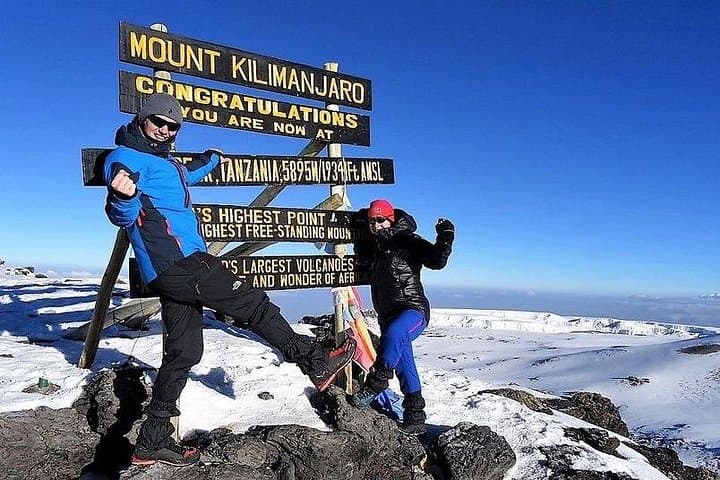
The Machame ‘Whisky’ Route is a seven-day, private ascent of Kilimanjaro that trades steepness for scenery—rainforest, giant heather, the Shira Plateau and a midnight summit bid to Uhuru Peak. Expect varied terrain, vital acclimatization days and a strong porter-and-guide support team.
The Machame ‘Whisky’ Route is a seven-day, private ascent of Kilimanjaro that trades steepness for scenery—rainforest, giant heather, the Shira Plateau and a midnight summit bid to Uhuru Peak. Expect varied terrain, vital acclimatization days and a strong porter-and-guide support team.
Night falls in the rainforest and the trail underfoot becomes a ribbon of headlamp cones and breathed-out mist. You move steadily uphill through moss-draped trees, past the first camp at Machame, and into a world that changes from green and humid to wind-swept moorland and then to the stony, glacial shoulders of Kibo.
Verified experiences and guided adventures in the surrounding area.
Operated by Kanje grand tours · Arusha, Arusha Region
Night falls in the rainforest and the trail underfoot becomes a ribbon of headlamp cones and breathed-out mist. You move steadily uphill through moss-draped trees, past the first camp at Machame, and into a world that changes from green and humid to wind-swept moorland and then to the stony, glacial shoulders of Kibo.
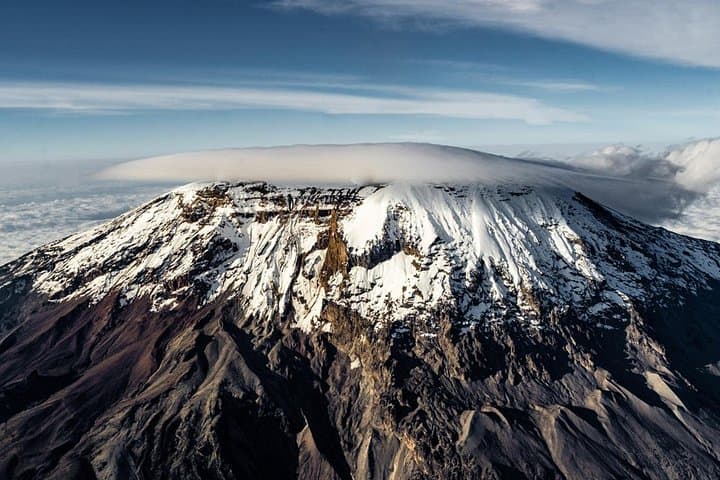
The Machame or “Whisky” Route was popularized for its scenic line and gentler gradients; it threads old volcanic flows, lava tubes and glacial cirques. Geologically you cross ancient basalt and ash deposits, climb onto the Shira Plateau and skirt beneath the southern ice fields that once fed larger glaciers across Kibo. Culturally the climb runs through land of the Chagga people—villages below provide porters and cooks, and their mountain lore and coffee farms are woven into the approach logistics.
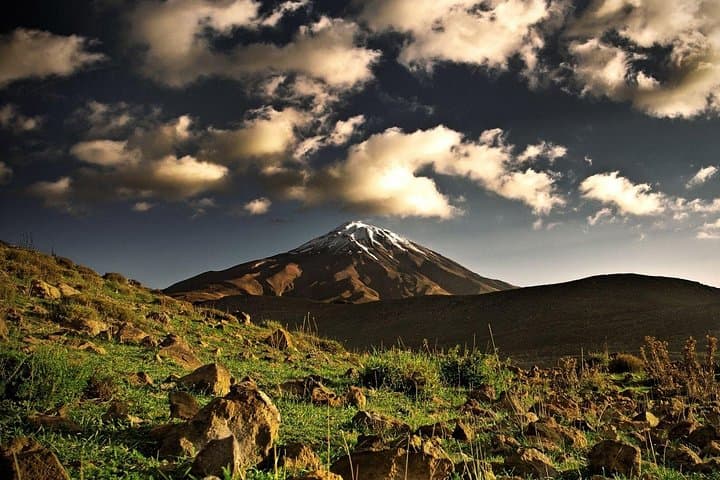
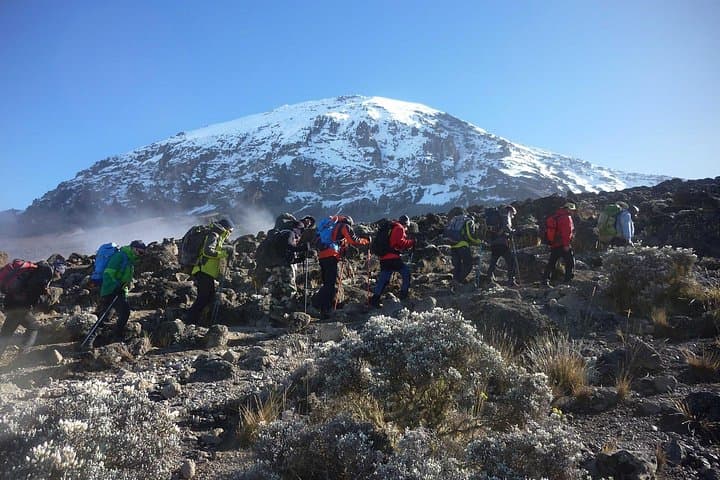
Expect varied terrain: rainforest roots and slick mud, heather and giant lobelia in the heath zone, talus and compacted scree approaching Barafu, and wind-scoured alpine desert near the summit. Key waypoints include Machame Camp, Shira Plateau, Lava Tower (acclimatization feature), Barranco Wall and the final Barafu-to-Stella-Point push before Uhuru Peak.
Practical guidance: plan for 7 days, build in “walk high, sleep low” acclimatization, and reserve energy for a midnight summit departure. Layered clothing, sturdy waterproof boots, trekking poles and a disciplined hydration/sodium plan will keep you moving. Hire an experienced guide and respect park rules—permits, porter welfare and strict waste management are enforced. With measured pacing the route offers one of the higher summit success rates to Africa’s Roof.
The clearest windows are June–October and January–February when drier conditions and more stable weather increase summit chances.
No technical rock-climbing skills are required—the route is high-altitude trekking rather than technical mountaineering, though good fitness is essential.
Yes—Kilimanjaro National Park requires registered guides and permits; climbs are organized through licensed operators who handle permits, porters and camping logistics.
Plan for a midnight departure from Barafu with 6–8 hours to the rim (Stella Point) and Uhuru Peak, then several hours descent to Mweka—expect a very long summit day overall.
Kanje grand tours operates guided outdoor trips and adventures with an emphasis on safety, stewardship, and memorable experiences.
Night falls in the rainforest and the trail underfoot becomes a ribbon of headlamp cones and breathed-out mist. You move steadily uphill through moss-draped trees, past the first camp at Machame, and into a world that changes from green and humid to wind-swept moorland and then to the stony, glacial shoulders of Kibo.
Night falls in the rainforest and the trail underfoot becomes a ribbon of headlamp cones and breathed-out mist. You move steadily uphill through moss-draped trees, past the first camp at Machame, and into a world that changes from green and humid to wind-swept moorland and then to the stony, glacial shoulders of Kibo.
The Machame or “Whisky” Route was popularized for its scenic line and gentler gradients; it threads old volcanic flows, lava tubes and glacial cirques. Geologically you cross ancient basalt and ash deposits, climb onto the Shira Plateau and skirt beneath the southern ice fields that once fed larger glaciers across Kibo. Culturally the climb runs through land of the Chagga people—villages below provide porters and cooks, and their mountain lore and coffee farms are woven into the approach logistics.
Expect varied terrain: rainforest roots and slick mud, heather and giant lobelia in the heath zone, talus and compacted scree approaching Barafu, and wind-scoured alpine desert near the summit. Key waypoints include Machame Camp, Shira Plateau, Lava Tower (acclimatization feature), Barranco Wall and the final Barafu-to-Stella-Point push before Uhuru Peak.
Practical guidance: plan for 7 days, build in “walk high, sleep low” acclimatization, and reserve energy for a midnight summit departure. Layered clothing, sturdy waterproof boots, trekking poles and a disciplined hydration/sodium plan will keep you moving. Hire an experienced guide and respect park rules—permits, porter welfare and strict waste management are enforced. With measured pacing the route offers one of the higher summit success rates to Africa’s Roof.