THE ADVENTURE COLLECTIVE® · Independent discovery and booking for outdoor travel

A seven-day private loop from Casablanca that covers Chefchaouen, Fes, Volubilis, the Sahara’s Erg Chebbi and Marrakech. Expect guided medina walks, a camel ride to a desert camp and nights in riads.
A seven-day private loop from Casablanca that covers Chefchaouen, Fes, Volubilis, the Sahara’s Erg Chebbi and Marrakech. Expect guided medina walks, a camel ride to a desert camp and nights in riads.
The minivan pulls out of Casablanca as sunlight skims the Atlantic and the city contracts to memory; road, olive groves and the Rif’s blue flank open ahead. Over the next seven days you move through Morocco’s contrasts: white-washed Chefchaouen clinging to mountain folds, the packed alleys of Fes where leather vats steam like alchemical bowls, the ochre sweep of Erg Chebbi dunes that demand slow footsteps and long stares, and finally Marrakech’s energized plazas.
Verified experiences and guided adventures in the surrounding area.
Operated by Morocco Tours Services · Casablanca, Casablanca-Settat
The minivan pulls out of Casablanca as sunlight skims the Atlantic and the city contracts to memory; road, olive groves and the Rif’s blue flank open ahead. Over the next seven days you move through Morocco’s contrasts: white-washed Chefchaouen clinging to mountain folds, the packed alleys of Fes where leather vats steam like alchemical bowls, the ochre sweep of Erg Chebbi dunes that demand slow footsteps and long stares, and finally Marrakech’s energized plazas.
This route traces centuries of exchange: Roman tiles at Volubilis, Almohad architecture in Meknes, and ksar-building traditions in the Atlas approach to Ait Benhaddou. Geology shows itself in the red clay of Todra and Dades gorges, the limestone shoulders of the Atlas, and aeolian shapes of the Sahara that the wind sculpts nightly.
Culture here is lived—souk vendors, Berber music around desert fires, and riad hospitality that balances private rooms with shared courtyards. Expect local guides who translate not just language but rituals: tea etiquette, market bargaining, and mosque exteriors.
Practical guidance: pack layers for hot days and cool nights, schedule daytime drives to avoid mid-afternoon heat, and allow time in medinas for slow navigation—narrow lanes are pedestrian-only and require comfortable shoes. Bring a small daypack, sun protection, and modest clothing for religious sites. Water is plentiful at stops, but carry a refill bottle between towns. The trip mixes long driving legs with short walking tours; rest on the road sections and plan camera batteries for sunrise in the dunes. With planning you get a guided sweep across Morocco’s landscapes and living history—active, approachable, and rich in sensory detail.
Most nationalities can enter visa-free for short tourist stays, but check current entry requirements for your passport before travel.
The camel ride is short and suitable for most travelers; it requires basic balance but no technical skill—inform the operator of mobility issues in advance.
The itinerary includes most breakfasts and several dinners, but you should confirm specifics with the operator for special diets or additional meals.
Expect several long driving legs between cities (some days 3–6 hours); the tour balances road time with guided visits and stretches for walking.
Morocco Tours Services operates guided outdoor trips and adventures with an emphasis on safety, stewardship, and memorable experiences.


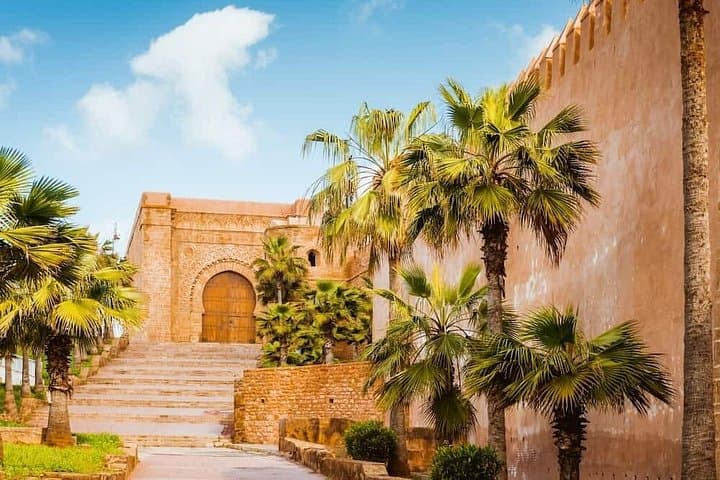

The minivan pulls out of Casablanca as sunlight skims the Atlantic and the city contracts to memory; road, olive groves and the Rif’s blue flank open ahead. Over the next seven days you move through Morocco’s contrasts: white-washed Chefchaouen clinging to mountain folds, the packed alleys of Fes where leather vats steam like alchemical bowls, the ochre sweep of Erg Chebbi dunes that demand slow footsteps and long stares, and finally Marrakech’s energized plazas.
The minivan pulls out of Casablanca as sunlight skims the Atlantic and the city contracts to memory; road, olive groves and the Rif’s blue flank open ahead. Over the next seven days you move through Morocco’s contrasts: white-washed Chefchaouen clinging to mountain folds, the packed alleys of Fes where leather vats steam like alchemical bowls, the ochre sweep of Erg Chebbi dunes that demand slow footsteps and long stares, and finally Marrakech’s energized plazas.
This route traces centuries of exchange: Roman tiles at Volubilis, Almohad architecture in Meknes, and ksar-building traditions in the Atlas approach to Ait Benhaddou. Geology shows itself in the red clay of Todra and Dades gorges, the limestone shoulders of the Atlas, and aeolian shapes of the Sahara that the wind sculpts nightly.
Culture here is lived—souk vendors, Berber music around desert fires, and riad hospitality that balances private rooms with shared courtyards. Expect local guides who translate not just language but rituals: tea etiquette, market bargaining, and mosque exteriors.
Practical guidance: pack layers for hot days and cool nights, schedule daytime drives to avoid mid-afternoon heat, and allow time in medinas for slow navigation—narrow lanes are pedestrian-only and require comfortable shoes. Bring a small daypack, sun protection, and modest clothing for religious sites. Water is plentiful at stops, but carry a refill bottle between towns. The trip mixes long driving legs with short walking tours; rest on the road sections and plan camera batteries for sunrise in the dunes. With planning you get a guided sweep across Morocco’s landscapes and living history—active, approachable, and rich in sensory detail.