THE ADVENTURE COLLECTIVE® · Independent discovery and booking for outdoor travel

A seven-day private circuit linking Shanghai, Suzhou and Hangzhou by bullet train. Expect classical gardens, canal rides, tea fields and skyline views with guided transfers and fast-rail convenience.
A seven-day private circuit linking Shanghai, Suzhou and Hangzhou by bullet train. Expect classical gardens, canal rides, tea fields and skyline views with guided transfers and fast-rail convenience.
You step out on the Bund and the Huangpu River dares you to look away—steel towers blink while sampans glide beneath, a constant exchange between old Shanghai and the new skyline.
Verified experiences and guided adventures in the surrounding area.
Operated by Sunflower Tours China · Shanghai, Shanghai
You step out on the Bund and the Huangpu River dares you to look away—steel towers blink while sampans glide beneath, a constant exchange between old Shanghai and the new skyline.
This seven-day private loop threads three of China’s most storied cities: Shanghai’s colonial avenues and contemporary towers; Suzhou’s classical gardens and canal crossings; Hangzhou’s mist-soft West Lake and centuries-old tea terraces. Geologically you’re travelling across the Yangtze River Delta—flat, water-sliced land where canals map human settlement and tea fields cling to low rolling hills rather than alpine heights.
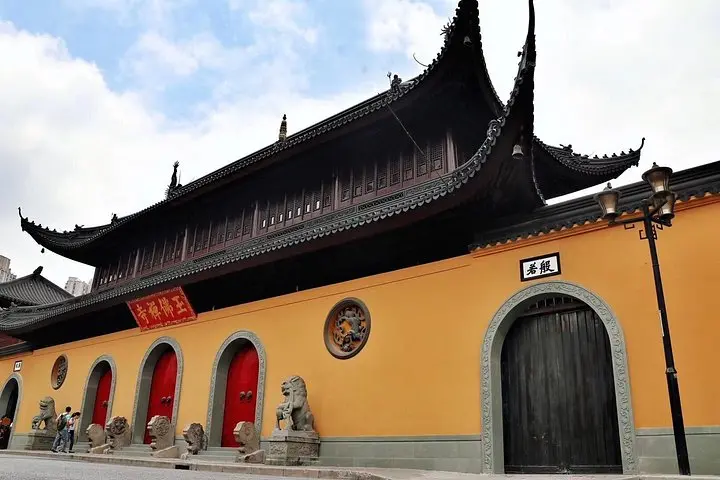
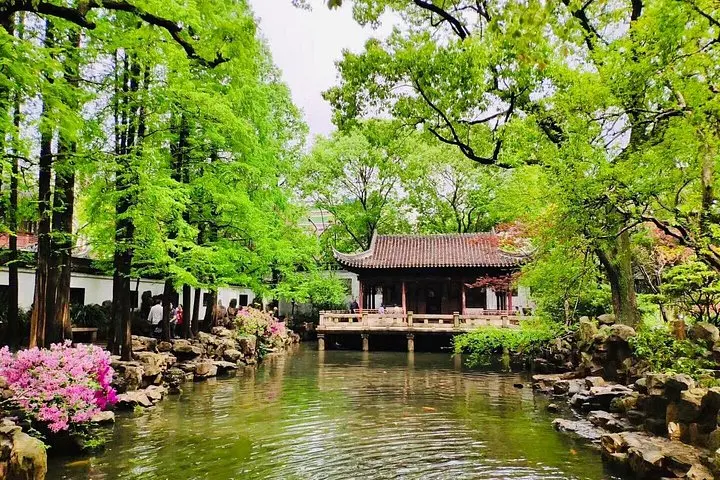
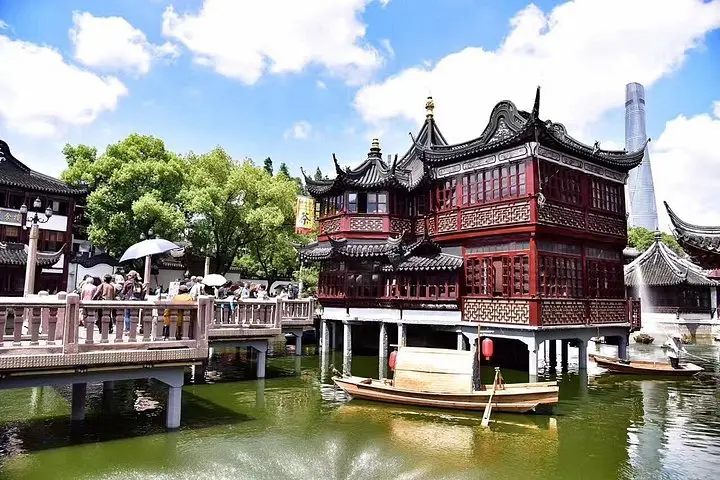
History surfaces in stone and wood: Ming-era Yu Garden pavilions, Shikumen lanes that recall early 20th-century urban life, Suzhou’s Lingering Garden with its artful rockwork, and Hangzhou’s Pagoda of Six Harmonies, a timber-and-brick climb with river views. Culture centers on movement—bullet trains stitch the region together, boats choreograph the canals, and teahouses hold conversations that cross centuries.
Practical guidance: expect 3–6 km of walking on most days, minimal elevation except for Tiger Hill’s ~300 stairs and the Pagoda of Six Harmonies climb; bring comfortable shoes and a light daypack. Peak visiting windows are early morning at temples and late afternoon at West Lake for softer light and fewer crowds. Local transport includes private transfers, short ferries across the Huangpu, and multiple high-speed rail legs—carry your passport for station checks. Pace the itinerary: savor a tea farm visit in the afternoon, use downtime between bullet-train hops to charge devices, and budget time for lines at major sights. This tour balances brisk urban exploration with quiet waterways and tea fields, offering concentrated cultural exposure without technical demands.
Most international visitors need a Chinese visa—check requirements for your nationality well before travel and carry the printed visa while moving between cities.
Yes—the itinerary includes business-class bullet train seats as part of the package; guides and transfers between stations are arranged.
Expect light-to-moderate walking, typically 3–6 km per day on paved city streets and garden paths, with some stair sections at historical sites.
It’s private and paceable, but travelers should have moderate mobility; those with significant mobility limits should consult the operator about customized options.
Sunflower Tours China operates guided outdoor trips and adventures with an emphasis on safety, stewardship, and memorable experiences.

You step out on the Bund and the Huangpu River dares you to look away—steel towers blink while sampans glide beneath, a constant exchange between old Shanghai and the new skyline.
You step out on the Bund and the Huangpu River dares you to look away—steel towers blink while sampans glide beneath, a constant exchange between old Shanghai and the new skyline.
This seven-day private loop threads three of China’s most storied cities: Shanghai’s colonial avenues and contemporary towers; Suzhou’s classical gardens and canal crossings; Hangzhou’s mist-soft West Lake and centuries-old tea terraces. Geologically you’re travelling across the Yangtze River Delta—flat, water-sliced land where canals map human settlement and tea fields cling to low rolling hills rather than alpine heights.
History surfaces in stone and wood: Ming-era Yu Garden pavilions, Shikumen lanes that recall early 20th-century urban life, Suzhou’s Lingering Garden with its artful rockwork, and Hangzhou’s Pagoda of Six Harmonies, a timber-and-brick climb with river views. Culture centers on movement—bullet trains stitch the region together, boats choreograph the canals, and teahouses hold conversations that cross centuries.
Practical guidance: expect 3–6 km of walking on most days, minimal elevation except for Tiger Hill’s ~300 stairs and the Pagoda of Six Harmonies climb; bring comfortable shoes and a light daypack. Peak visiting windows are early morning at temples and late afternoon at West Lake for softer light and fewer crowds. Local transport includes private transfers, short ferries across the Huangpu, and multiple high-speed rail legs—carry your passport for station checks. Pace the itinerary: savor a tea farm visit in the afternoon, use downtime between bullet-train hops to charge devices, and budget time for lines at major sights. This tour balances brisk urban exploration with quiet waterways and tea fields, offering concentrated cultural exposure without technical demands.