THE ADVENTURE COLLECTIVE® · Independent discovery and booking for outdoor travel

A private seven-day road tour linking Udaipur, Jodhpur, Pushkar and Jaipur — perfect for travelers who want curated access to palaces, temples and forts with practical pace and local insights. Plan for multi-hour drives and varied terrain.
A private seven-day road tour linking Udaipur, Jodhpur, Pushkar and Jaipur — perfect for travelers who want curated access to palaces, temples and forts with practical pace and local insights. Plan for multi-hour drives and varied terrain.
Dawn breaks over Lake Pichola and the first day of the route begins with light on white marble facades and the slow churn of an AC car moving through narrow lanes. Travelers arrive in Udaipur to walk palace courtyards, watch monsoon darken the Aravalli ridgeline, then ferry across water that has reflected kings and festivals for centuries.
Verified experiences and guided adventures in the surrounding area.
Operated by Udaipur Tour And Taxi · Udaipur, Rajasthan
Dawn breaks over Lake Pichola and the first day of the route begins with light on white marble facades and the slow churn of an AC car moving through narrow lanes. Travelers arrive in Udaipur to walk palace courtyards, watch monsoon darken the Aravalli ridgeline, then ferry across water that has reflected kings and festivals for centuries.
This seven-day circuit threads together distinct chapters of Rajasthan’s past: Mewar’s lakeside courts in Udaipur, the Jain marble work at Ranakpur, Mehrangarh’s basalt cliffs in Jodhpur, Pushkar’s ghats and Brahma temple, and Jaipur’s planned grid of pink sandstone. Geologically the route follows the Aravalli range — some of the oldest fold mountains in India — while culturally it moves from Rajput fortresses to sacred ghats and imperial observatories.
Expect varied textures underfoot: polished palace stone, desert scrub outside cities, and cobbled fort approaches. Local rhythms matter — a morning aarti at Pushkar, sunset from Nahargarh, and market bargaining in bazaars.
Practical guidance: plan for long daily drives (2–5 hours between major stops), carry cash for smaller shops, and schedule museum visits in the cooler morning hours. Footwear should be sturdy for stairs and uneven fort terraces; sun protection and a reusable water bottle are essential. Respect temple dress codes (shoulders and knees covered) and allow time for traffic and photo stops. This tour is paced for travelers who want a curated, private introduction to Rajasthan’s architecture, spiritual life, and landscape, with time each evening to digest the day’s sights.
Expect between 2–5 hours on major transfer days (Udaipur→Ranakpur→Jodhpur; Jodhpur→Pushkar→Jaipur), with shorter drives within cities.
This itinerary notes sightseeing but not specific admissions; plan to pay entry fees for palaces, museums and forts on-site unless confirmed otherwise.
Yes for those comfortable with car travel and stairs; however it's not recommended for people with serious cardiovascular conditions or advanced pregnancy.
Tipping is customary; small daily tips for drivers and local guides are appreciated and common practice.
Udaipur Tour And Taxi operates guided outdoor trips and adventures with an emphasis on safety, stewardship, and memorable experiences.
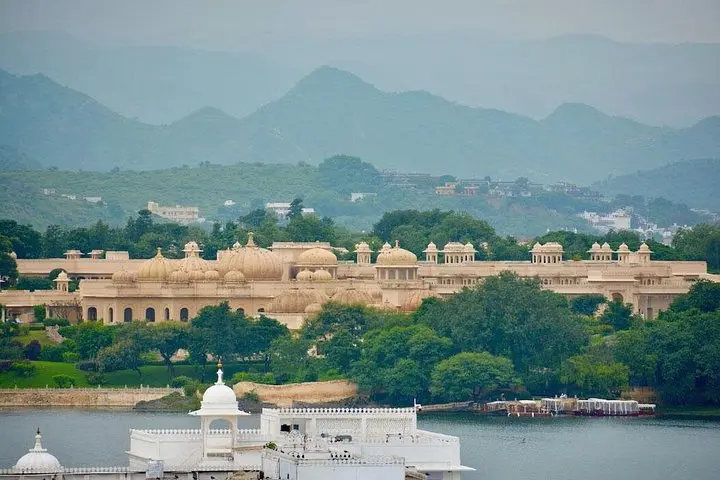
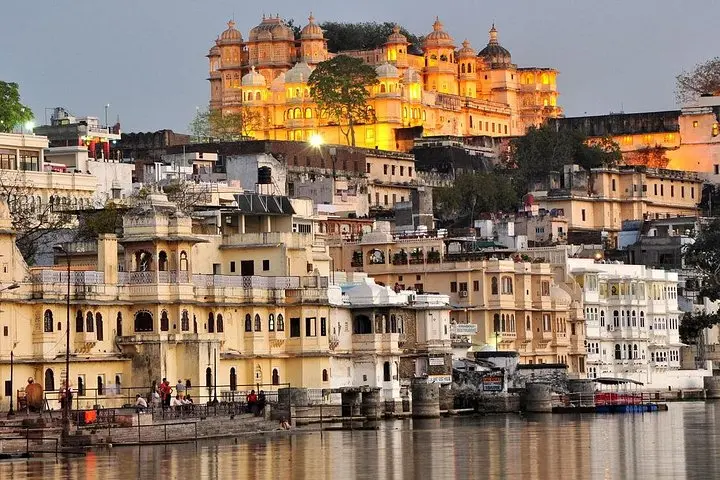
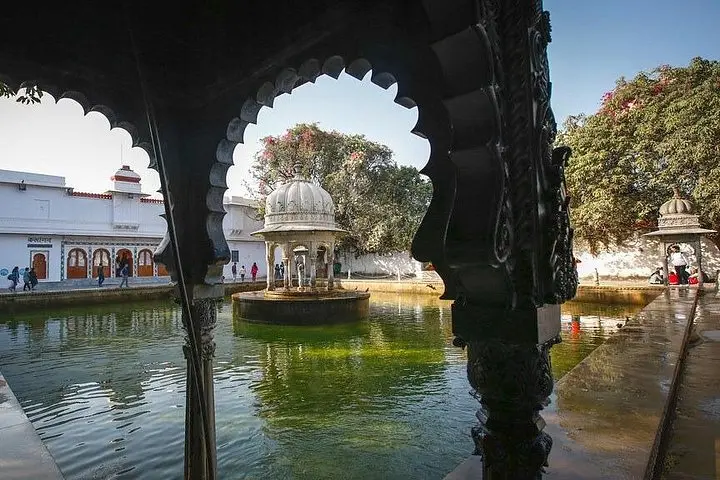
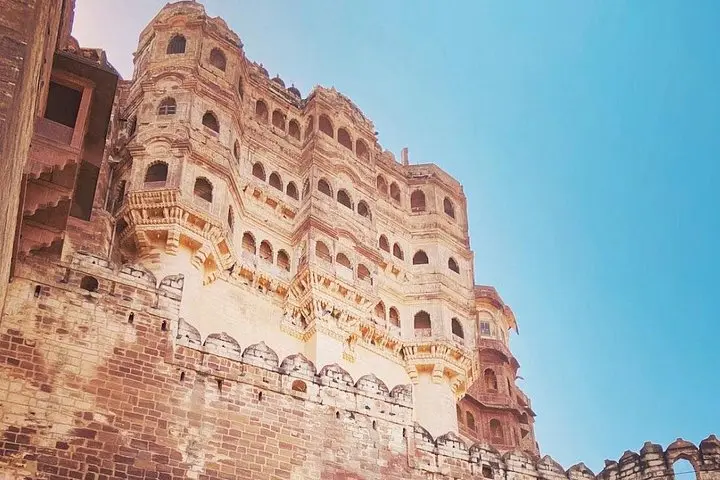
Dawn breaks over Lake Pichola and the first day of the route begins with light on white marble facades and the slow churn of an AC car moving through narrow lanes. Travelers arrive in Udaipur to walk palace courtyards, watch monsoon darken the Aravalli ridgeline, then ferry across water that has reflected kings and festivals for centuries.
Dawn breaks over Lake Pichola and the first day of the route begins with light on white marble facades and the slow churn of an AC car moving through narrow lanes. Travelers arrive in Udaipur to walk palace courtyards, watch monsoon darken the Aravalli ridgeline, then ferry across water that has reflected kings and festivals for centuries.
This seven-day circuit threads together distinct chapters of Rajasthan’s past: Mewar’s lakeside courts in Udaipur, the Jain marble work at Ranakpur, Mehrangarh’s basalt cliffs in Jodhpur, Pushkar’s ghats and Brahma temple, and Jaipur’s planned grid of pink sandstone. Geologically the route follows the Aravalli range — some of the oldest fold mountains in India — while culturally it moves from Rajput fortresses to sacred ghats and imperial observatories.
Expect varied textures underfoot: polished palace stone, desert scrub outside cities, and cobbled fort approaches. Local rhythms matter — a morning aarti at Pushkar, sunset from Nahargarh, and market bargaining in bazaars.
Practical guidance: plan for long daily drives (2–5 hours between major stops), carry cash for smaller shops, and schedule museum visits in the cooler morning hours. Footwear should be sturdy for stairs and uneven fort terraces; sun protection and a reusable water bottle are essential. Respect temple dress codes (shoulders and knees covered) and allow time for traffic and photo stops. This tour is paced for travelers who want a curated, private introduction to Rajasthan’s architecture, spiritual life, and landscape, with time each evening to digest the day’s sights.