THE ADVENTURE COLLECTIVE® · Independent discovery and booking for outdoor travel

A quieter northern approach to Kilimanjaro, the Rongai route gives climbers extra acclimatization time and sweeping views over the Kenyan plains. This private 7-day itinerary pairs professional mountain crew and full camping support with long summit days that demand fitness and steady pacing.
A quieter northern approach to Kilimanjaro, the Rongai route gives climbers extra acclimatization time and sweeping views over the Kenyan plains. This private 7-day itinerary pairs professional mountain crew and full camping support with long summit days that demand fitness and steady pacing.
Night in Moshi shrinks to a pinprick of light as the crew bundles camp gear into tarpaulin sacks and porters hum a steady rhythm of Kilimanjaro songs. On the Rongai route the first steps leave cultivated maize and coffee fields and push into a rising corridor of montane forest; by the time the summit push begins, the world has thinned to wind and lunar scree under a sky that dares you to keep going.
Verified experiences and guided adventures in the surrounding area.
Operated by Kilele Climb Tours Co Ltd · Moshi, Kilimanjaro Region
Night in Moshi shrinks to a pinprick of light as the crew bundles camp gear into tarpaulin sacks and porters hum a steady rhythm of Kilimanjaro songs. On the Rongai route the first steps leave cultivated maize and coffee fields and push into a rising corridor of montane forest; by the time the summit push begins, the world has thinned to wind and lunar scree under a sky that dares you to keep going.
This private seven-day itinerary follows the northern Rongai approach — a quieter, gentler line onto Kibo’s saddle that gives walkers more time to acclimatize. The mountain itself is a sleeping stratovolcano, its three peaks—Shira, Mawenzi and Kibo—tied to 19th-century exploration and a 20th-century rush of mountaineering. Hans Meyer and Ludwig Purtscheller reached the crater rim in 1889; today climbers still aim for Uhuru Peak (5,895 m), where the snows that crown Africa meet an expanse of shattered volcanic rock.
Geology shapes the route: days begin under humid, bird-rich forest, move through moorland and heath to alpine desert and final scree. Along the Rongai side you cross sheltered valleys like Kikelewa and a cirque at Mawenzi Tarn, places that feel remote from mainland Tanzania though Moshi’s coffee-scented neighborhoods remain the logistical hub. Cultural threads run through the climb — local guides and porters manage camp life, and fair-wage practices are now part of reputable operations, reflecting new standards set by Kilimanjaro National Park.
Practical edge: expect an elevation gain from about 1,950 m at Rongai Gate to 5,895 m at Uhuru Peak. Typical day distances range from short, steep sections (3–8 km on high days) to longer, 14–18 km descents. Summit day is the longest: plan on 10–15 hours round-trip, rising at midnight for a pre-dawn push to Gilman’s Point and Uhuru. The itinerary includes full-board meals, 4-season tents, and medical kit support — pulse oximeters and portable oxygen are carried — but the onus for acclimatization and pacing is on the climber.
Prepare with layered, breathable clothing, broken-in waterproof boots, and 3 liters of hydration capacity; trekking poles cut the load on knees during descent. Train on sustained uphill hikes and long days with a loaded pack; altitude is the decisive factor, not technical difficulty. Book at least one night in Moshi before departure to attend the pre-trek briefing and sort rentals. Finally, tip your mountain crew thoughtfully — they make the climb possible.
The Rongai route rewards steady, patient climbers with quieter trails, wide northern views over the Kenyan plains, and a summit that still feels earned rather than crowded. If you want solitude paired with proven acclimatization, it’s a route that asks only for your persistence and returns a rare kind of high-country clarity.
No technical rock or ice-climbing skills are required; the route is a high-altitude trek. However, experience with long days, altitude awareness, and proper pacing is essential.
Success varies by fitness, acclimatization and weather; the Rongai route’s gradual profile and extra acclimatization day improve odds versus steeper schedules, but summit success is never guaranteed.
The drier months from late June to October and January to early March offer the most reliable weather and clearer summit windows.
Reputable operators include park fees and permits in the package; confirm with the provider and keep proof of payment with you on the mountain.
Tipping is customary; consider budgeting roughly 10–15% of the total trip price per person to distribute among leaders, guides and porters, adjusted for service and group size.
Altitude sickness is the primary risk. Train, hydrate, ascend slowly, and report symptoms early; reputable operators carry first-aid kits, pulse oximeters and oxygen support if needed.
Kilele Climb Tours Co Ltd operates guided outdoor trips and adventures with an emphasis on safety, stewardship, and memorable experiences.
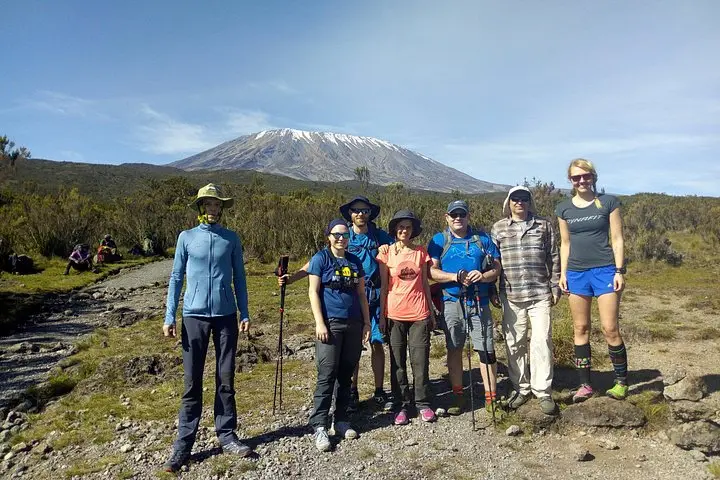
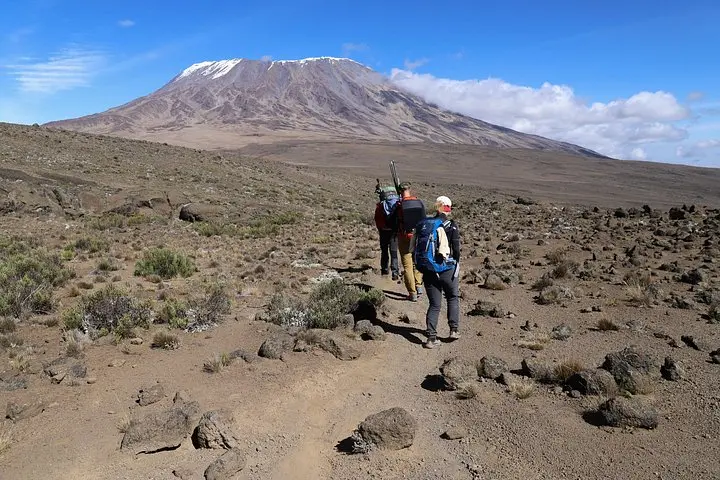
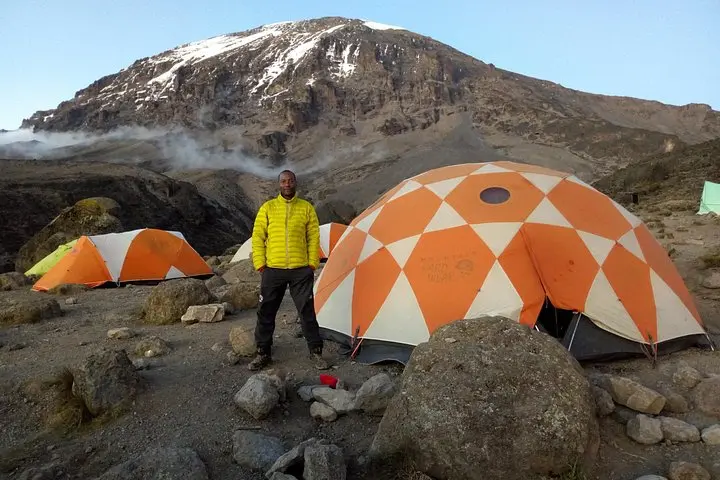
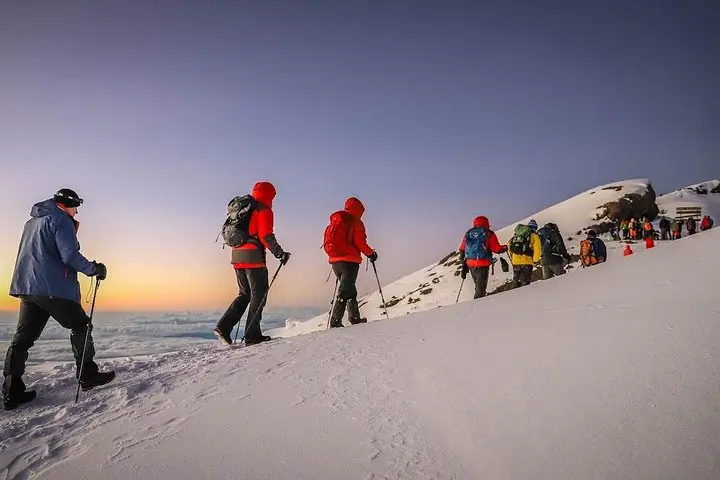
Night in Moshi shrinks to a pinprick of light as the crew bundles camp gear into tarpaulin sacks and porters hum a steady rhythm of Kilimanjaro songs. On the Rongai route the first steps leave cultivated maize and coffee fields and push into a rising corridor of montane forest; by the time the summit push begins, the world has thinned to wind and lunar scree under a sky that dares you to keep going.
Night in Moshi shrinks to a pinprick of light as the crew bundles camp gear into tarpaulin sacks and porters hum a steady rhythm of Kilimanjaro songs. On the Rongai route the first steps leave cultivated maize and coffee fields and push into a rising corridor of montane forest; by the time the summit push begins, the world has thinned to wind and lunar scree under a sky that dares you to keep going.
This private seven-day itinerary follows the northern Rongai approach — a quieter, gentler line onto Kibo’s saddle that gives walkers more time to acclimatize. The mountain itself is a sleeping stratovolcano, its three peaks—Shira, Mawenzi and Kibo—tied to 19th-century exploration and a 20th-century rush of mountaineering. Hans Meyer and Ludwig Purtscheller reached the crater rim in 1889; today climbers still aim for Uhuru Peak (5,895 m), where the snows that crown Africa meet an expanse of shattered volcanic rock.
Geology shapes the route: days begin under humid, bird-rich forest, move through moorland and heath to alpine desert and final scree. Along the Rongai side you cross sheltered valleys like Kikelewa and a cirque at Mawenzi Tarn, places that feel remote from mainland Tanzania though Moshi’s coffee-scented neighborhoods remain the logistical hub. Cultural threads run through the climb — local guides and porters manage camp life, and fair-wage practices are now part of reputable operations, reflecting new standards set by Kilimanjaro National Park.
Practical edge: expect an elevation gain from about 1,950 m at Rongai Gate to 5,895 m at Uhuru Peak. Typical day distances range from short, steep sections (3–8 km on high days) to longer, 14–18 km descents. Summit day is the longest: plan on 10–15 hours round-trip, rising at midnight for a pre-dawn push to Gilman’s Point and Uhuru. The itinerary includes full-board meals, 4-season tents, and medical kit support — pulse oximeters and portable oxygen are carried — but the onus for acclimatization and pacing is on the climber.
Prepare with layered, breathable clothing, broken-in waterproof boots, and 3 liters of hydration capacity; trekking poles cut the load on knees during descent. Train on sustained uphill hikes and long days with a loaded pack; altitude is the decisive factor, not technical difficulty. Book at least one night in Moshi before departure to attend the pre-trek briefing and sort rentals. Finally, tip your mountain crew thoughtfully — they make the climb possible.
The Rongai route rewards steady, patient climbers with quieter trails, wide northern views over the Kenyan plains, and a summit that still feels earned rather than crowded. If you want solitude paired with proven acclimatization, it’s a route that asks only for your persistence and returns a rare kind of high-country clarity.