THE ADVENTURE COLLECTIVE® · Independent discovery and booking for outdoor travel

A quieter, northern approach to Africa’s highest peak, the Rongai Route trades crowds for wide sky and a steady climb. This seven-day guided itinerary balances gradual acclimatization with a technical summit night—ideal for hikers seeking a remote Kilimanjaro experience.
A quieter, northern approach to Africa’s highest peak, the Rongai Route trades crowds for wide sky and a steady climb. This seven-day guided itinerary balances gradual acclimatization with a technical summit night—ideal for hikers seeking a remote Kilimanjaro experience.
You leave Moshi in the grey hour and head north, the road thinning as acacia give way to farm terraces and then to the dark belt of montane forest that guards Kilimanjaro’s northern flank. At Nalemoru Gate the air already tastes different—colder, thinner—and the Rongai trail slips away from the crowds, climbing gently at first under moss-draped trees. By the time the forest opens into moorland you can see Mawenzi’s jagged teeth and the broad, stoic face of Kibo, its glaciers daring you higher.
Verified experiences and guided adventures in the surrounding area.
Operated by The Kili Trips & Safari Outfitters Co Ltd · Moshi, Kilimanjaro Region
You leave Moshi in the grey hour and head north, the road thinning as acacia give way to farm terraces and then to the dark belt of montane forest that guards Kilimanjaro’s northern flank. At Nalemoru Gate the air already tastes different—colder, thinner—and the Rongai trail slips away from the crowds, climbing gently at first under moss-draped trees. By the time the forest opens into moorland you can see Mawenzi’s jagged teeth and the broad, stoic face of Kibo, its glaciers daring you higher.
The Rongai route is the mountain’s quiet approach. Unlike the busy southern tracks, Rongai approaches from Kenya, sheltering trekkers from heavy traffic until the saddle below Kibo. Geologically, Kilimanjaro is a composite of three volcanic cones—Shira, Mawenzi and Kibo—whose last major activity left the broad crater and the lunar saddle that separates Mawenzi’s pinnacles from Kibo’s summit cone. The landscape shifts repeatedly on this route: ferned forest, giant lobelia moorland, rocky tarns and then the stark, wind-swept saddle where the ground turns to volcanic scree.
There’s local history here too. Moshi is the gateway town of the Chagga people, whose farms cling to fertile slopes; porters and cooks drawn from those communities form the backbone of summit teams. Responsible operators emphasize accredited guides and medical kits—items that matter when elevation climbs from 1,800 m at Nalemoru to Uhuru Peak at 5,895 m.
Expect structured days: short, steady gains the first three days (roughly 800–1,000 m total gain each day from Simba Camp to Kikelewa), a steeper day to Mawenzi Tarn, then the long traverse across the saddle to Kibo Hut. Summit night starts before midnight with a push over loose scree to Gilman’s Point and, for those who keep moving, the final rim walk to Uhuru Peak. The summit day can be 13–15 hours of moving and requires pacing, calorie-rich food, and continuous hydration.
Practical edge: train hikes with a weighted pack, practice steep descents, and test boots on scree. Layering is essential—temperatures swing from mild in Moshi to well below freezing at the summit. Use trekking poles to save knees on the descent and a headlamp for early starts.
This route rewards patience: fewer groups, big sky views across the Kenyan plains, and a summit that feels earned rather than crowded. Plan for contingency: altitude can redirect any itinerary. With the right preparation—fitness, gear, and a respect for Kilimanjaro’s weather—you’ll move from forest quiet to a raw alpine panorama that insists you stop and breathe.
The main dry windows are January–March and June–October; these months offer more stable weather and clearer summit conditions.
No technical mountaineering skills are required, but prior high-altitude trekking experience and strong fitness improve success and safety.
Camping is provided on the route with communal tents for dining and individual sleeping tents; the operator supplies camping equipment as listed in inclusions.
Clients typically carry a daypack of 12–15 lbs; porters carry group gear and heavier personal items per the operator’s porter policy.
Acute mountain sickness can occur despite good conditioning; the seven-day Rongai itinerary emphasizes gradual acclimatization but listen to guides and report symptoms early.
Tipping is not usually included; bring cash for gratuities and follow the operator’s guidance on recommended amounts.
The Kili Trips & Safari Outfitters Co Ltd operates guided outdoor trips and adventures with an emphasis on safety, stewardship, and memorable experiences.
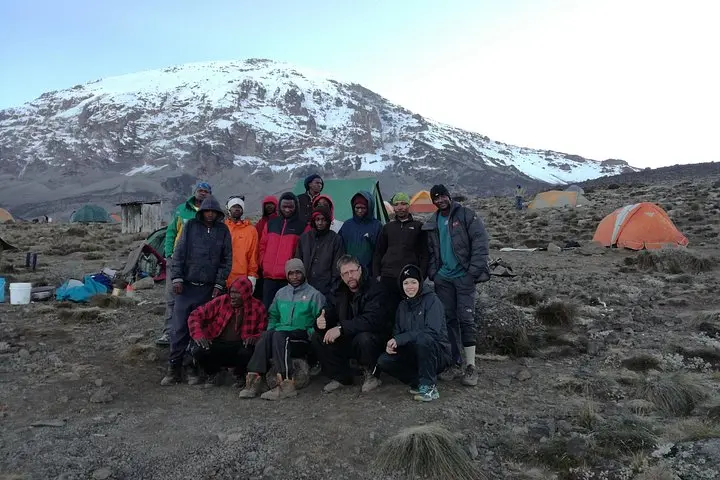
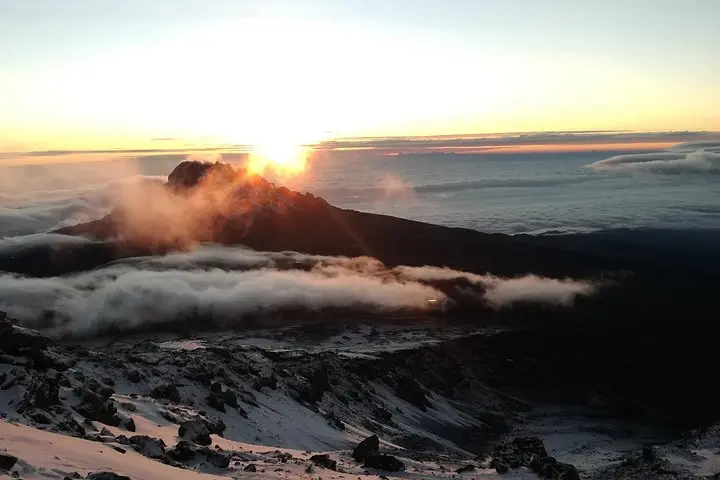
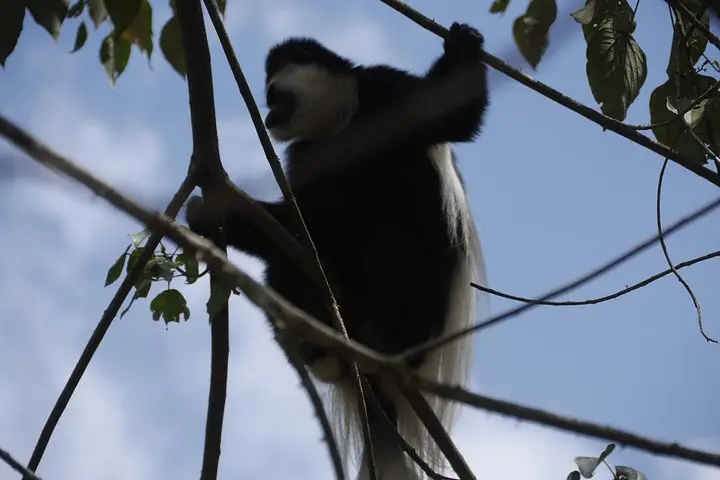
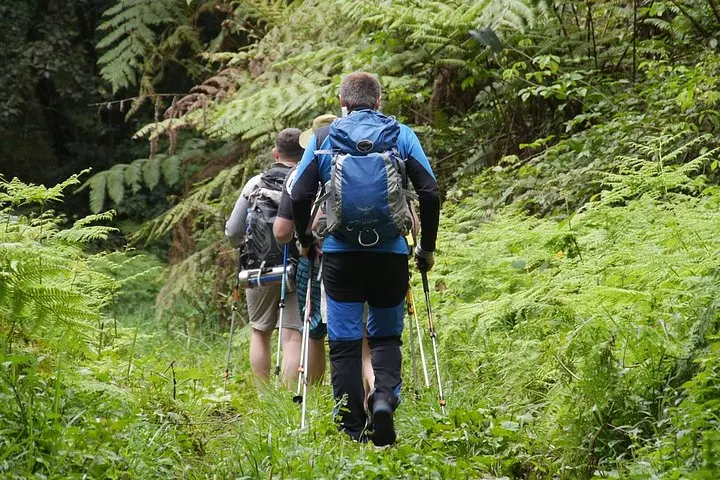
You leave Moshi in the grey hour and head north, the road thinning as acacia give way to farm terraces and then to the dark belt of montane forest that guards Kilimanjaro’s northern flank. At Nalemoru Gate the air already tastes different—colder, thinner—and the Rongai trail slips away from the crowds, climbing gently at first under moss-draped trees. By the time the forest opens into moorland you can see Mawenzi’s jagged teeth and the broad, stoic face of Kibo, its glaciers daring you higher.
You leave Moshi in the grey hour and head north, the road thinning as acacia give way to farm terraces and then to the dark belt of montane forest that guards Kilimanjaro’s northern flank. At Nalemoru Gate the air already tastes different—colder, thinner—and the Rongai trail slips away from the crowds, climbing gently at first under moss-draped trees. By the time the forest opens into moorland you can see Mawenzi’s jagged teeth and the broad, stoic face of Kibo, its glaciers daring you higher.
The Rongai route is the mountain’s quiet approach. Unlike the busy southern tracks, Rongai approaches from Kenya, sheltering trekkers from heavy traffic until the saddle below Kibo. Geologically, Kilimanjaro is a composite of three volcanic cones—Shira, Mawenzi and Kibo—whose last major activity left the broad crater and the lunar saddle that separates Mawenzi’s pinnacles from Kibo’s summit cone. The landscape shifts repeatedly on this route: ferned forest, giant lobelia moorland, rocky tarns and then the stark, wind-swept saddle where the ground turns to volcanic scree.
There’s local history here too. Moshi is the gateway town of the Chagga people, whose farms cling to fertile slopes; porters and cooks drawn from those communities form the backbone of summit teams. Responsible operators emphasize accredited guides and medical kits—items that matter when elevation climbs from 1,800 m at Nalemoru to Uhuru Peak at 5,895 m.
Expect structured days: short, steady gains the first three days (roughly 800–1,000 m total gain each day from Simba Camp to Kikelewa), a steeper day to Mawenzi Tarn, then the long traverse across the saddle to Kibo Hut. Summit night starts before midnight with a push over loose scree to Gilman’s Point and, for those who keep moving, the final rim walk to Uhuru Peak. The summit day can be 13–15 hours of moving and requires pacing, calorie-rich food, and continuous hydration.
Practical edge: train hikes with a weighted pack, practice steep descents, and test boots on scree. Layering is essential—temperatures swing from mild in Moshi to well below freezing at the summit. Use trekking poles to save knees on the descent and a headlamp for early starts.
This route rewards patience: fewer groups, big sky views across the Kenyan plains, and a summit that feels earned rather than crowded. Plan for contingency: altitude can redirect any itinerary. With the right preparation—fitness, gear, and a respect for Kilimanjaro’s weather—you’ll move from forest quiet to a raw alpine panorama that insists you stop and breathe.