THE ADVENTURE COLLECTIVE® · Independent discovery and booking for outdoor travel

Take the quieter northern approach to Africa’s highest peak on a 7-day Rongai itinerary. This route trades crowds for steady climbs, wide views of Mawenzi and a gradual ascent profile that helps acclimatize en route to Uhuru Peak.
Take the quieter northern approach to Africa’s highest peak on a 7-day Rongai itinerary. This route trades crowds for steady climbs, wide views of Mawenzi and a gradual ascent profile that helps acclimatize en route to Uhuru Peak.
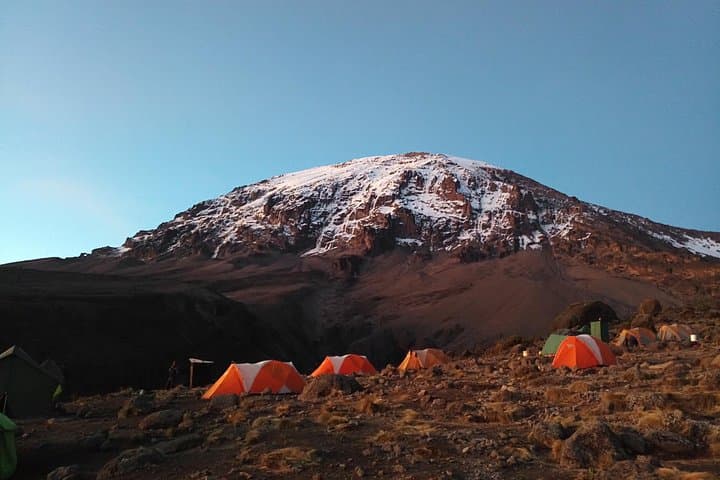
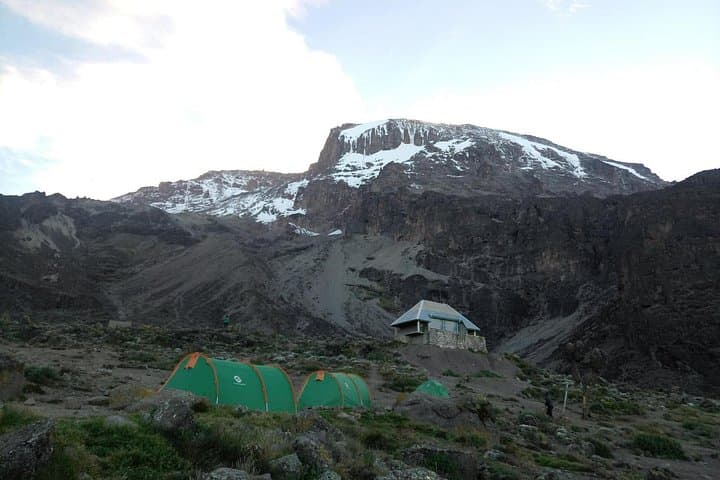
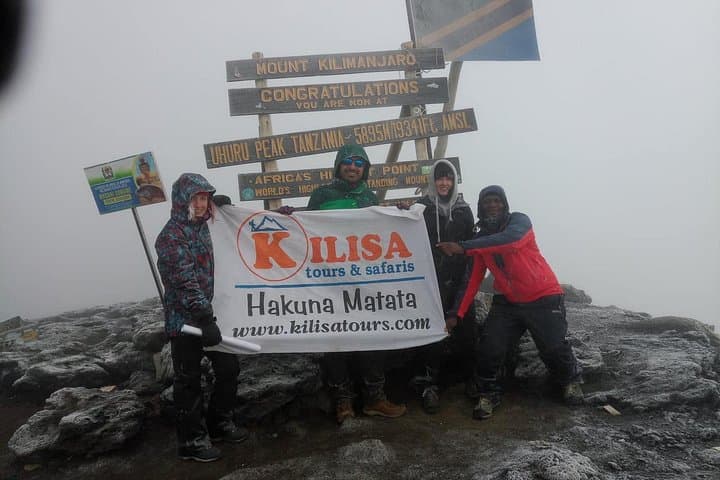
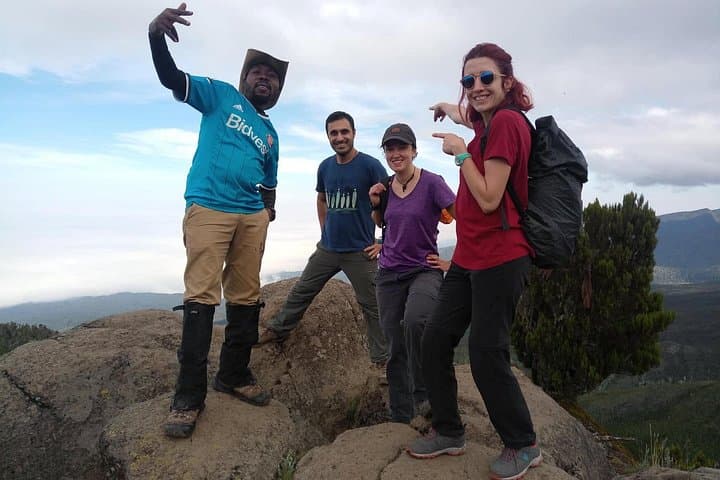
The headlamp cones of your team bob along a narrow track as Moshi slips behind the last ribbon of light. On the Rongai route the mountain feels less like a single objective and more like a living, changing thing: the forest breathes, the moorland exhales, the alpine desert challenges, and the summit holds its cold reward. Over seven days the ascent offers long, steady approaches, wide views of Mawenzi’s spires and a quieter line to Uhuru Peak, where the continent meets the sky.
Verified experiences and guided adventures in the surrounding area.
Operated by Kilisa Tours & Safaris · Moshi, Kilimanjaro Region
The headlamp cones of your team bob along a narrow track as Moshi slips behind the last ribbon of light. On the Rongai route the mountain feels less like a single objective and more like a living, changing thing: the forest breathes, the moorland exhales, the alpine desert challenges, and the summit holds its cold reward. Over seven days the ascent offers long, steady approaches, wide views of Mawenzi’s spires and a quieter line to Uhuru Peak, where the continent meets the sky.
Rongai takes you up Kilimanjaro’s northern flank, a route used less by kola traders and more by those seeking gradual acclimatization. The Chagga people have farmed the lower slopes for generations; their terraced maize fields give way to montane forest inhabited by colobus monkeys and timid duikers. Geologically, Kilimanjaro is a volcanic massif with three peaks—Kibo’s basalt dome towers above the eroded pinnacles of Mawenzi—remnants of long-ago eruptions that shaped the alpine desert you’ll cross near 4,700 m.
Culturally, Moshi is your portal: a town of porters’ unions, Swahili greetings and local coffee farms where guides sharpen both route knowledge and storytelling. Expect to learn the cadence of mountain life—early breakfasts, careful pacing, and a communal rhythm of setting camp. Conservation matters here; the glaciers that crown Kibo are retreating visibly, and responsible guiding practices (filtered water, defined campsites, leave-no-trace) are essential to preserving this fragile high-altitude environment.
Practical guidance: the Rongai itinerary favors steady climbs and overnight camps at Simba, Second Cave, Kikelewa, Mawenzi Tarn, Kibo Hut and Horombo before the midnight summit push. Average hiking times per day range from 2–5 hours, with the summit day stretching to 12–14 hours including descent. Terrain moves from packed dirt and root-strewn forest to tussock moorland and finally scree and snow near the crater rim; scree steps will test legs and willpower. Hydration and slow pacing are your best defenses against altitude; use the ‘‘pole—pause—step’’ rhythm on steeper sections and carry a personal water bottle plus a purification method despite the operator providing treated water.
Gear and preparation are straightforward but non-negotiable: stiff, insulated boots, layered clothing and a reliable sleeping system. Listen to your guides—porters and mountain crew read the mountain day by day, and their experience is the margin between summit and retreat.
If you set out with patience and respect for the mountain’s shifting moods, Rongai rewards with wide horizons, quieter camps and the rare, hard-earned moment when Uhuru’s rim opens and the world below seems suddenly, brilliantly small.
Rongai is generally less steep day-to-day and quieter than Machame; it offers a gentler acclimatization profile than Marangu while still demanding on summit night.
Typical inclusions are park fees, tented camping, meals on the mountain, guides, porters, transport to gates and basic rescue equipment; confirm exact inclusions with the operator.
Not strictly, but prior multi-day trekking and acclimatization experience markedly improves your chances of summiting and reduces risk of AMS.
Budget modestly but respectfully—industry norms suggest distributing roughly 10–20% of the tour price among guides, cooks and porters, adjusted for service and group size.
The clearest windows are the dry seasons: late June–October and December–February; Rongai can be climbed year-round but expect more rain in March–May and October–December.
Yes—Moshi has multiple outfitters for sleeping bags, boots and crampons, but prioritize fit and quality; test boots beforehand if you rent.
Kilisa Tours & Safaris operates guided outdoor trips and adventures with an emphasis on safety, stewardship, and memorable experiences.
The headlamp cones of your team bob along a narrow track as Moshi slips behind the last ribbon of light. On the Rongai route the mountain feels less like a single objective and more like a living, changing thing: the forest breathes, the moorland exhales, the alpine desert challenges, and the summit holds its cold reward. Over seven days the ascent offers long, steady approaches, wide views of Mawenzi’s spires and a quieter line to Uhuru Peak, where the continent meets the sky.
The headlamp cones of your team bob along a narrow track as Moshi slips behind the last ribbon of light. On the Rongai route the mountain feels less like a single objective and more like a living, changing thing: the forest breathes, the moorland exhales, the alpine desert challenges, and the summit holds its cold reward. Over seven days the ascent offers long, steady approaches, wide views of Mawenzi’s spires and a quieter line to Uhuru Peak, where the continent meets the sky.
Rongai takes you up Kilimanjaro’s northern flank, a route used less by kola traders and more by those seeking gradual acclimatization. The Chagga people have farmed the lower slopes for generations; their terraced maize fields give way to montane forest inhabited by colobus monkeys and timid duikers. Geologically, Kilimanjaro is a volcanic massif with three peaks—Kibo’s basalt dome towers above the eroded pinnacles of Mawenzi—remnants of long-ago eruptions that shaped the alpine desert you’ll cross near 4,700 m.
Culturally, Moshi is your portal: a town of porters’ unions, Swahili greetings and local coffee farms where guides sharpen both route knowledge and storytelling. Expect to learn the cadence of mountain life—early breakfasts, careful pacing, and a communal rhythm of setting camp. Conservation matters here; the glaciers that crown Kibo are retreating visibly, and responsible guiding practices (filtered water, defined campsites, leave-no-trace) are essential to preserving this fragile high-altitude environment.
Practical guidance: the Rongai itinerary favors steady climbs and overnight camps at Simba, Second Cave, Kikelewa, Mawenzi Tarn, Kibo Hut and Horombo before the midnight summit push. Average hiking times per day range from 2–5 hours, with the summit day stretching to 12–14 hours including descent. Terrain moves from packed dirt and root-strewn forest to tussock moorland and finally scree and snow near the crater rim; scree steps will test legs and willpower. Hydration and slow pacing are your best defenses against altitude; use the ‘‘pole—pause—step’’ rhythm on steeper sections and carry a personal water bottle plus a purification method despite the operator providing treated water.
Gear and preparation are straightforward but non-negotiable: stiff, insulated boots, layered clothing and a reliable sleeping system. Listen to your guides—porters and mountain crew read the mountain day by day, and their experience is the margin between summit and retreat.
If you set out with patience and respect for the mountain’s shifting moods, Rongai rewards with wide horizons, quieter camps and the rare, hard-earned moment when Uhuru’s rim opens and the world below seems suddenly, brilliantly small.