THE ADVENTURE COLLECTIVE® · Independent discovery and booking for outdoor travel

A private 7-day itinerary that threads Cairo’s ancient monuments with Alexandria’s Mediterranean shores. Visit the Great Pyramid interior, see Tutankhamen’s treasures, cruise the Nile, and explore the Bibliotheca Alexandrina.
A private 7-day itinerary that threads Cairo’s ancient monuments with Alexandria’s Mediterranean shores. Visit the Great Pyramid interior, see Tutankhamen’s treasures, cruise the Nile, and explore the Bibliotheca Alexandrina.
You arrive in Cairo as the city hums beneath a low morning sun, minivans and minarets moving against a skyline dominated by stone and history. The air carries dust and diesel and the first faint smell of falafel; a private guide meets you, and the city’s scale shifts into clear routes and achievable days.
Verified experiences and guided adventures in the surrounding area.
Operated by Khaled Abbass Tour Guide · Cairo, Cairo Governorate
You arrive in Cairo as the city hums beneath a low morning sun, minivans and minarets moving against a skyline dominated by stone and history. The air carries dust and diesel and the first faint smell of falafel; a private guide meets you, and the city’s scale shifts into clear routes and achievable days.
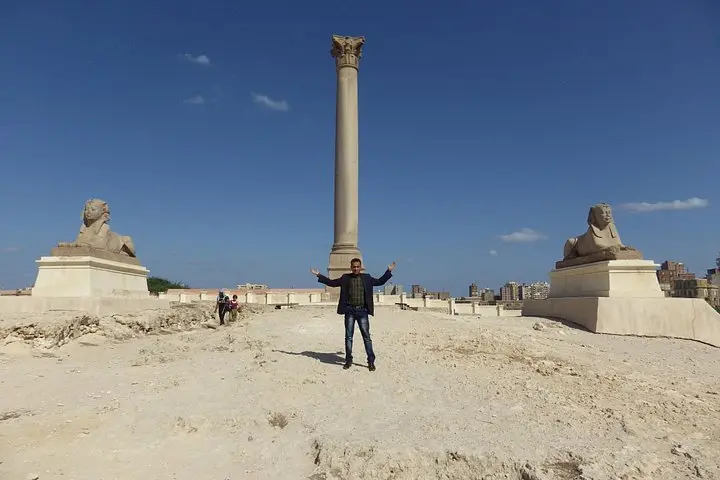
This seven-day loop pairs the Neolithic grit of Giza’s pyramids with Alexandria’s coastal calm. In Cairo you’ll walk among Old Kingdom masonry at Giza and Sakkara, stand before the Sphinx, and probe the Egyptian Museum’s Tutankhamen galleries and mummies room. Alexandria’s story is Hellenistic and Roman — the modern Bibliotheca Alexandrina sits on the site of the ancient lighthouse while Qaitbay Citadel crowns the Mediterranean promontory where ruins once marked the Pharos.
Geology here is visible: the limestone beds that built pharaonic monuments, the alluvial flat of the Nile that made the Delta fertile, and the chalky cliffs around Alexandria shaped by sea and sand. Culturally expect layered influences — Coptic churches, Ottoman-era mosques, and contemporary markets where bargaining is routine.
Practical guide: plan for hot, dry days and cool nights; comfortable walking shoes, a sun hat, and a light layer for mosque visits are non-negotiable. Travel between cities is by private vehicle; daily walking varies from easy museum floors to uneven archaeological sites with stairs and loose gravel. Hydrate frequently, carry small Egyptian pounds for stalls, and budget time for photo stops — the best views often come when you pause to listen to the city moving around you.
Yes — this itinerary includes entry to the Great Pyramid interior as specified, subject to site availability and security checks.
Most travelers require a visa; check current entry rules for your nationality and obtain it in advance if required or via e-visa services where available.
Tipping is customary for guides, drivers, and service staff; bargaining is common in bazaars like Khan el-Khalili—start lower than the asking price and be friendly.
The program notes wheelchair-accessible options, but many archaeological sites have uneven terrain; contact the operator to confirm specific accessibility arrangements.
Khaled Abbass Tour Guide operates guided outdoor trips and adventures with an emphasis on safety, stewardship, and memorable experiences.

You arrive in Cairo as the city hums beneath a low morning sun, minivans and minarets moving against a skyline dominated by stone and history. The air carries dust and diesel and the first faint smell of falafel; a private guide meets you, and the city’s scale shifts into clear routes and achievable days.
You arrive in Cairo as the city hums beneath a low morning sun, minivans and minarets moving against a skyline dominated by stone and history. The air carries dust and diesel and the first faint smell of falafel; a private guide meets you, and the city’s scale shifts into clear routes and achievable days.
This seven-day loop pairs the Neolithic grit of Giza’s pyramids with Alexandria’s coastal calm. In Cairo you’ll walk among Old Kingdom masonry at Giza and Sakkara, stand before the Sphinx, and probe the Egyptian Museum’s Tutankhamen galleries and mummies room. Alexandria’s story is Hellenistic and Roman — the modern Bibliotheca Alexandrina sits on the site of the ancient lighthouse while Qaitbay Citadel crowns the Mediterranean promontory where ruins once marked the Pharos.
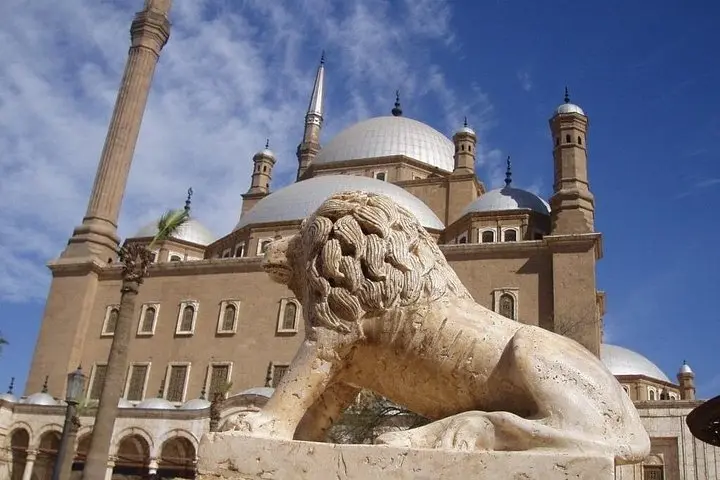
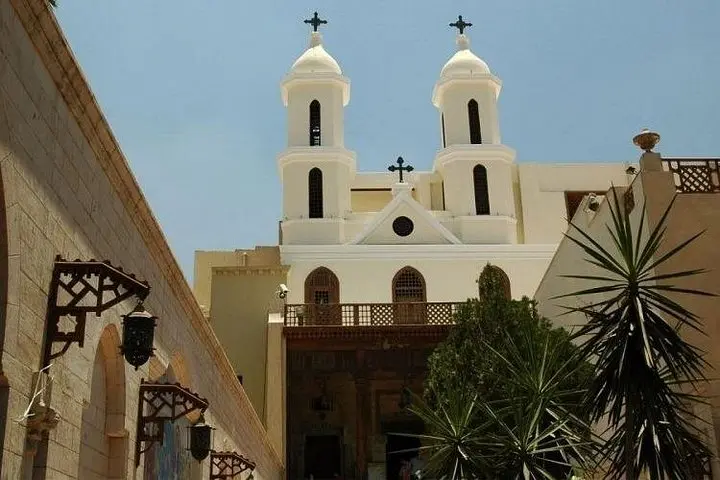
Geology here is visible: the limestone beds that built pharaonic monuments, the alluvial flat of the Nile that made the Delta fertile, and the chalky cliffs around Alexandria shaped by sea and sand. Culturally expect layered influences — Coptic churches, Ottoman-era mosques, and contemporary markets where bargaining is routine.
Practical guide: plan for hot, dry days and cool nights; comfortable walking shoes, a sun hat, and a light layer for mosque visits are non-negotiable. Travel between cities is by private vehicle; daily walking varies from easy museum floors to uneven archaeological sites with stairs and loose gravel. Hydrate frequently, carry small Egyptian pounds for stalls, and budget time for photo stops — the best views often come when you pause to listen to the city moving around you.