THE ADVENTURE COLLECTIVE® · Independent discovery and booking for outdoor travel
Trade the crowds of the classic Inca Trail for a high-pass route that moves from glacial ridges into cloud forest. This 7-day Salkantay trek combines long alpine days, jungle descent, and a Sun Gate arrival at Machu Picchu.
Trade the crowds of the classic Inca Trail for a high-pass route that moves from glacial ridges into cloud forest. This 7-day Salkantay trek combines long alpine days, jungle descent, and a Sun Gate arrival at Machu Picchu.
A cold dawn on the high puna opens with thin air and a horizon cut by Salkantay’s glaciated ridges. The group departs Cusco by bus, slipping through the Sacred Valley before horses and porters shuttle tents and gear to a remote Soraypampa campsite. Trekking here feels like stepping between climate zones: alpine moraine gives way to the humid folds of cloud forest, and the path itself leads from windswept passes into a green, explosive jungle.
Verified experiences and guided adventures in the surrounding area.
Operated by Conde Travel · Cusco, Cusco
A cold dawn on the high puna opens with thin air and a horizon cut by Salkantay’s glaciated ridges. The group departs Cusco by bus, slipping through the Sacred Valley before horses and porters shuttle tents and gear to a remote Soraypampa campsite. Trekking here feels like stepping between climate zones: alpine moraine gives way to the humid folds of cloud forest, and the path itself leads from windswept passes into a green, explosive jungle.
Geology and history are visible in the terrain. Salkantay is a towering granite-and-glacier massif that once framed local Andean cosmology; Llactapata and other Inca watchpoints pepper the route, showing how the Incas aligned trails with mountain worship and agricultural terraces.
Culturally, the trek moves through Quechua-speaking communities where traditional textiles and highland farming persist. Along the way expect thermal pools at Cocalmayo, lunch stops with panoramic ridgelines, and the final approach on the classic Inca Trail into Inti Punku — the Sun Gate — before the Machu Picchu panorama unfolds.
Practically, the itinerary covers roughly 7 days with the highest point around 4,600 m at Salkantay Pass. Trail surfaces range from rocky alpine tracks to muddy jungle switchbacks; nights alternate between camping and a stay in Aguas Calientes. Altitude acclimatization, layered clothing, and steady pacing are essential. Carry water, sun protection, and a lightweight daypack. With good conditioning, the Salkantay route rewards hikers with fewer crowds and raw Andean landscapes en route to one of the world’s most iconic ruins.
Salkantay itself does not require the Inca Trail permit, but access to Machu Picchu requires timed entrance tickets and train reservations from Aguas Calientes; book these early.
The highest section of this itinerary is the Salkantay Pass at about 4,600 metres (15,090 ft), where thin air and cold wind are expected.
Not for complete beginners—trekking experience, good fitness, and prior altitude exposure are strongly recommended due to long days and high elevations.
Meals listed in the tour include several breakfasts, lunches and dinners; carry a refillable water bottle and purification tablets for on-the-trail refills.
Conde Travel operates guided outdoor trips and adventures with an emphasis on safety, stewardship, and memorable experiences.
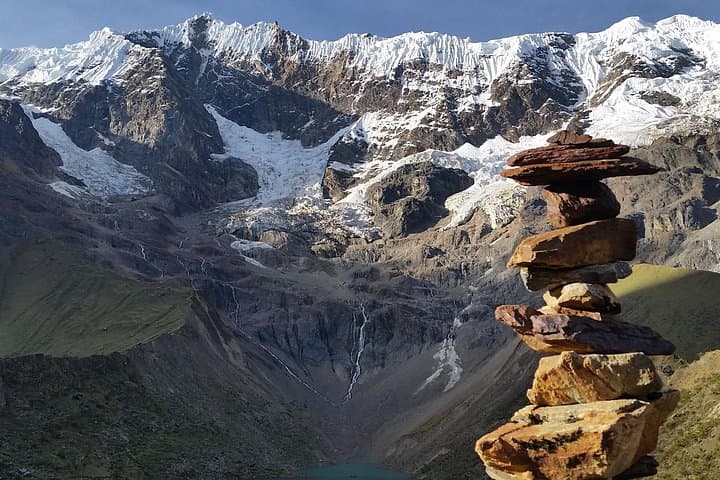
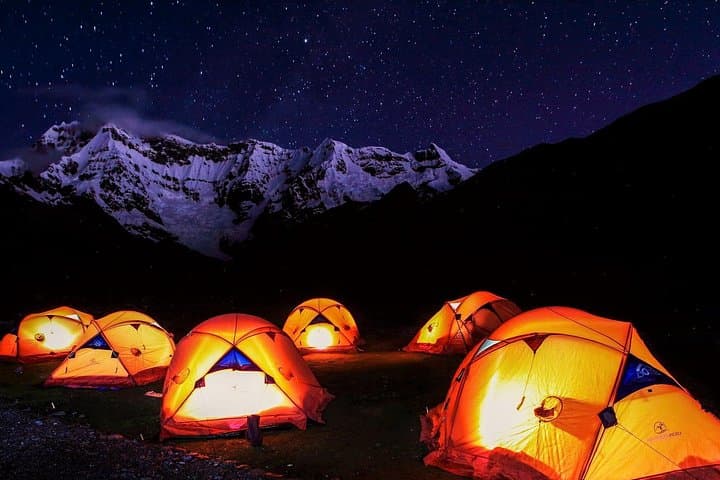
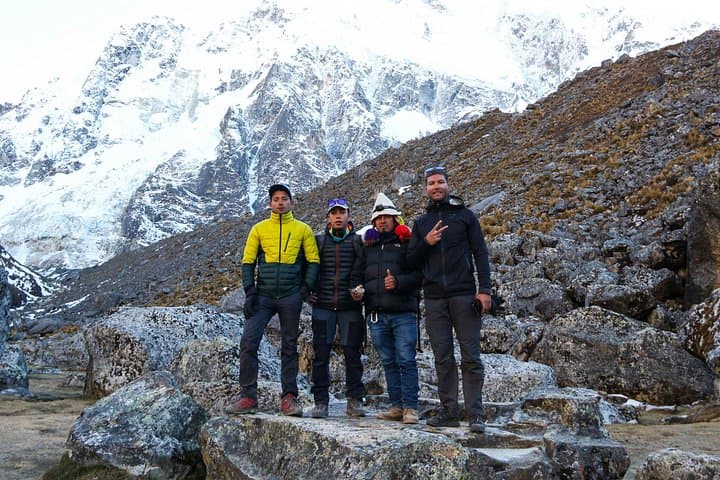
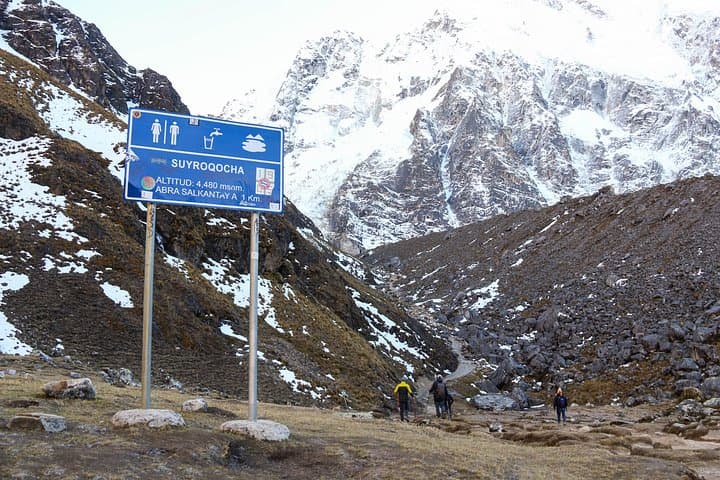
A cold dawn on the high puna opens with thin air and a horizon cut by Salkantay’s glaciated ridges. The group departs Cusco by bus, slipping through the Sacred Valley before horses and porters shuttle tents and gear to a remote Soraypampa campsite. Trekking here feels like stepping between climate zones: alpine moraine gives way to the humid folds of cloud forest, and the path itself leads from windswept passes into a green, explosive jungle.
A cold dawn on the high puna opens with thin air and a horizon cut by Salkantay’s glaciated ridges. The group departs Cusco by bus, slipping through the Sacred Valley before horses and porters shuttle tents and gear to a remote Soraypampa campsite. Trekking here feels like stepping between climate zones: alpine moraine gives way to the humid folds of cloud forest, and the path itself leads from windswept passes into a green, explosive jungle.
Geology and history are visible in the terrain. Salkantay is a towering granite-and-glacier massif that once framed local Andean cosmology; Llactapata and other Inca watchpoints pepper the route, showing how the Incas aligned trails with mountain worship and agricultural terraces.
Culturally, the trek moves through Quechua-speaking communities where traditional textiles and highland farming persist. Along the way expect thermal pools at Cocalmayo, lunch stops with panoramic ridgelines, and the final approach on the classic Inca Trail into Inti Punku — the Sun Gate — before the Machu Picchu panorama unfolds.
Practically, the itinerary covers roughly 7 days with the highest point around 4,600 m at Salkantay Pass. Trail surfaces range from rocky alpine tracks to muddy jungle switchbacks; nights alternate between camping and a stay in Aguas Calientes. Altitude acclimatization, layered clothing, and steady pacing are essential. Carry water, sun protection, and a lightweight daypack. With good conditioning, the Salkantay route rewards hikers with fewer crowds and raw Andean landscapes en route to one of the world’s most iconic ruins.
