THE ADVENTURE COLLECTIVE® · Independent discovery and booking for outdoor travel

Drive from Zurich through Lake Geneva, the Rhone Valley and the Bernese Oberland on a compact seven-day road trip. Expect alpine panoramas, car-free Zermatt, and short hikes to dramatic viewpoints.
Drive from Zurich through Lake Geneva, the Rhone Valley and the Bernese Oberland on a compact seven-day road trip. Expect alpine panoramas, car-free Zermatt, and short hikes to dramatic viewpoints.
You step out of Zurich’s compact airport into a cool Alpine light, the Limmat river pulling the city’s rhythm toward distant peaks. This seven-day self-drive stitches short, scenic drives with decisive mountain lookouts — Lake Geneva’s glassy shorelines, the sharp silhouette of the Matterhorn, Interlaken’s alpine bowl and the gondolas of Mount Pilatus.
Verified experiences and guided adventures in the surrounding area.
Operated by Gedi Spass · Zurich, Canton of Zurich
You step out of Zurich’s compact airport into a cool Alpine light, the Limmat river pulling the city’s rhythm toward distant peaks. This seven-day self-drive stitches short, scenic drives with decisive mountain lookouts — Lake Geneva’s glassy shorelines, the sharp silhouette of the Matterhorn, Interlaken’s alpine bowl and the gondolas of Mount Pilatus.
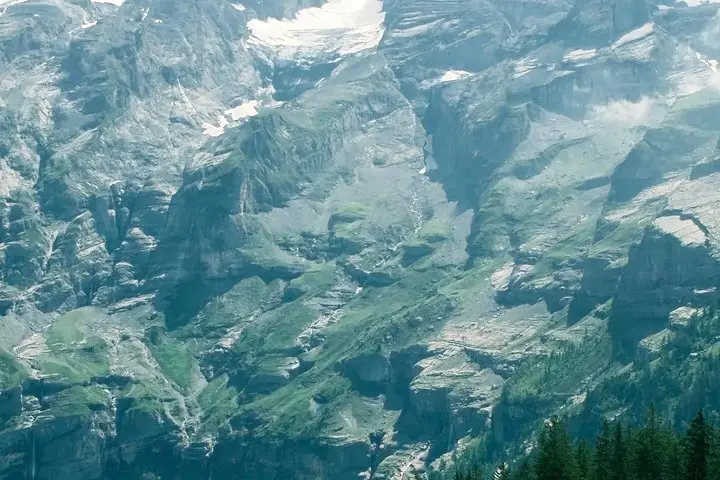
The route crosses Switzerland’s linguistic and geological seams: French-speaking Vaud and Lausanne on Lac Léman, the Rhône-carved valley to Valais and Zermatt, then east across the Bernese Oberland where glacial sculpting left steep cirques and hanging valleys. Medieval Lucerne keeps wooden Chapel Bridge and Musegg wall reminders of mercantile Switzerland; Bern’s Old Town is UNESCO-listed for its continuity from the 12th century.
Expect varied terrain: lowland motorways, winding mountain passes, and short village trails. Zermatt is car-free — most drivers park at Täsch and take the shuttle train. Mount Pilatus tops out just above 2,100 m with cable-car access; the Matterhorn rises to 4,478 m and dominates the skyline. Nature has an active role here: rivers cut, glaciers push, and alpine winds test your focus.
Practical notes: plan 2–4 hour driving blocks between major stops, allow extra time for narrow alpine roads and photo stops, and reserve parking in peak season. Carry a paper map or offline GPS, bring layered clothing for rapid temperature shifts, and factor in the motorway vignette and possible winter tire or chain requirements. The trip balances effortless driving with frequent short walks — ideal for travelers who want mountain access without committing to heavy alpine treks.
EU/Swiss rules vary by licensing country; many non-EU licenses are valid but an IDP is recommended for clarity at rental counters or checkpoints.
Swiss motorways require a yearly vignette sticker; check your rental includes it or purchase one at the border or petrol stations.
No — Zermatt is car-free. Most drivers park at Täsch and take the 12-minute shuttle train; some lodgings include transfers.
In winter months, many cantons require winter tires and chains on certain passes; check weather and rental policies before travel.
Gedi Spass operates guided outdoor trips and adventures with an emphasis on safety, stewardship, and memorable experiences.
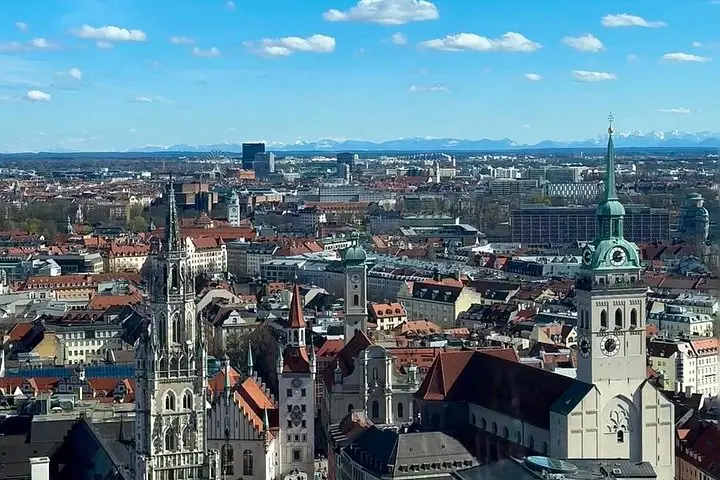
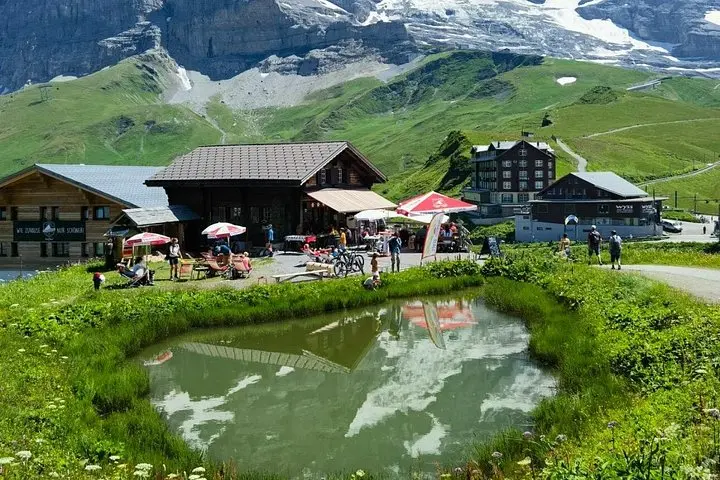
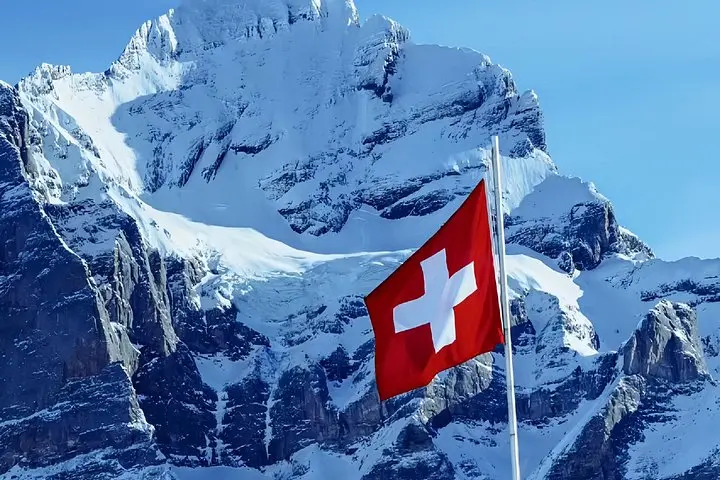
You step out of Zurich’s compact airport into a cool Alpine light, the Limmat river pulling the city’s rhythm toward distant peaks. This seven-day self-drive stitches short, scenic drives with decisive mountain lookouts — Lake Geneva’s glassy shorelines, the sharp silhouette of the Matterhorn, Interlaken’s alpine bowl and the gondolas of Mount Pilatus.
You step out of Zurich’s compact airport into a cool Alpine light, the Limmat river pulling the city’s rhythm toward distant peaks. This seven-day self-drive stitches short, scenic drives with decisive mountain lookouts — Lake Geneva’s glassy shorelines, the sharp silhouette of the Matterhorn, Interlaken’s alpine bowl and the gondolas of Mount Pilatus.
The route crosses Switzerland’s linguistic and geological seams: French-speaking Vaud and Lausanne on Lac Léman, the Rhône-carved valley to Valais and Zermatt, then east across the Bernese Oberland where glacial sculpting left steep cirques and hanging valleys. Medieval Lucerne keeps wooden Chapel Bridge and Musegg wall reminders of mercantile Switzerland; Bern’s Old Town is UNESCO-listed for its continuity from the 12th century.
Expect varied terrain: lowland motorways, winding mountain passes, and short village trails. Zermatt is car-free — most drivers park at Täsch and take the shuttle train. Mount Pilatus tops out just above 2,100 m with cable-car access; the Matterhorn rises to 4,478 m and dominates the skyline. Nature has an active role here: rivers cut, glaciers push, and alpine winds test your focus.
Practical notes: plan 2–4 hour driving blocks between major stops, allow extra time for narrow alpine roads and photo stops, and reserve parking in peak season. Carry a paper map or offline GPS, bring layered clothing for rapid temperature shifts, and factor in the motorway vignette and possible winter tire or chain requirements. The trip balances effortless driving with frequent short walks — ideal for travelers who want mountain access without committing to heavy alpine treks.