THE ADVENTURE COLLECTIVE® · Independent discovery and booking for outdoor travel

Spend seven days tracking big cats and thundering herds in the Serengeti, then switch gears to Stone Town markets and Zanzibar’s coral beaches. This combined safari-and-beach itinerary pairs high-impact wildlife viewing with relaxed island time.
Spend seven days tracking big cats and thundering herds in the Serengeti, then switch gears to Stone Town markets and Zanzibar’s coral beaches. This combined safari-and-beach itinerary pairs high-impact wildlife viewing with relaxed island time.
The Jeep eases onto a ribbon of dust and the savannah opens—gold grass bending against a wide sky, distant termite mounds like low, deliberate islands. Early light finds lions stretched on granite kopjes while a river pocket beyond daubs the plain with green; by week’s end, white coral sand and a calm Indian Ocean trade the roar of predators for the hush of palms and dhow sails.
Verified experiences and guided adventures in the surrounding area.
Operated by Iconic Travel Services · Arusha, Arusha Region
The Jeep eases onto a ribbon of dust and the savannah opens—gold grass bending against a wide sky, distant termite mounds like low, deliberate islands. Early light finds lions stretched on granite kopjes while a river pocket beyond daubs the plain with green; by week’s end, white coral sand and a calm Indian Ocean trade the roar of predators for the hush of palms and dhow sails.
This seven-day loop moves from Arusha—gateway to the northern safari circuit—into the Serengeti’s Seronera ecosystem, then shifts to Zanzibar’s Stone Town and coastal resorts. Geologically the Serengeti is an ancient bench of volcanic soils and erosion-formed kopjes; the island of Zanzibar is coral limestone capped with alluvial soils that made it a crossroads for Arabian, Persian, and Swahili traders.
Culturally you’ll cross landscapes of Maasai grazing and Stone Town’s carved wooden doors and spice markets; historically, Zanzibar’s clove plantations and trading past shaped its architecture and cuisine. Conservation here is visible: rangers on patrol, tourism fees funding anti-poaching and community programs.
Practical guidance: expect long game drives (vehicle-based, minimal hiking), early departures to catch predators at dawn, and short domestic flights between Arusha/Serengeti and Zanzibar with strict luggage limits. Pack binoculars, sun protection, and lightweight layers for cool mornings. Hydrate on drives and carry cash for park fees and tips. Timing matters—dry months concentrate wildlife; wet months gift dramatic greenscapes but can slow transit. Whether tracking a lion’s attentive stare on the plain or listening to waves in a beachside bungalow, this itinerary balances active wildlife viewing with restful coastal days.
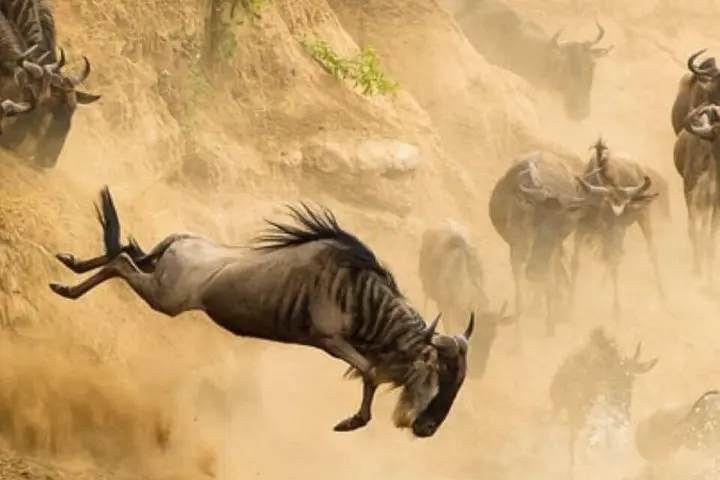
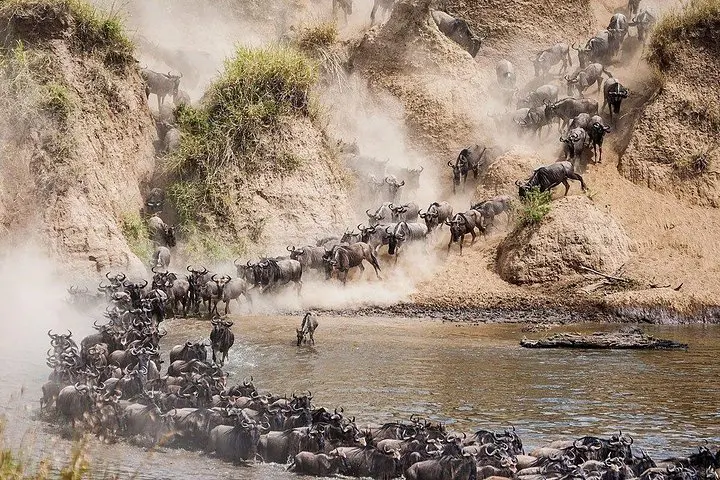
June–October is the dry season when herds concentrate in northern Serengeti; December–March sees calving in the southern plains and intense predator activity.
The itinerary includes domestic flights between Arusha/Serengeti/Zanzibar; typical luggage allowance is 15–20 kg and soft bags are preferred—confirm with the operator before packing.
Visitors should check Tanzania’s visa rules for their nationality and consult a travel clinic about recommended vaccinations (e.g., yellow fever proof if required, routine vaccines, and malaria prophylaxis for mainland travel).
The Serengeti hosts all Big Five species, but sightings cannot be guaranteed—frequency depends on season, luck, and wildlife movement.
Iconic Travel Services operates guided outdoor trips and adventures with an emphasis on safety, stewardship, and memorable experiences.


The Jeep eases onto a ribbon of dust and the savannah opens—gold grass bending against a wide sky, distant termite mounds like low, deliberate islands. Early light finds lions stretched on granite kopjes while a river pocket beyond daubs the plain with green; by week’s end, white coral sand and a calm Indian Ocean trade the roar of predators for the hush of palms and dhow sails.
The Jeep eases onto a ribbon of dust and the savannah opens—gold grass bending against a wide sky, distant termite mounds like low, deliberate islands. Early light finds lions stretched on granite kopjes while a river pocket beyond daubs the plain with green; by week’s end, white coral sand and a calm Indian Ocean trade the roar of predators for the hush of palms and dhow sails.
This seven-day loop moves from Arusha—gateway to the northern safari circuit—into the Serengeti’s Seronera ecosystem, then shifts to Zanzibar’s Stone Town and coastal resorts. Geologically the Serengeti is an ancient bench of volcanic soils and erosion-formed kopjes; the island of Zanzibar is coral limestone capped with alluvial soils that made it a crossroads for Arabian, Persian, and Swahili traders.
Culturally you’ll cross landscapes of Maasai grazing and Stone Town’s carved wooden doors and spice markets; historically, Zanzibar’s clove plantations and trading past shaped its architecture and cuisine. Conservation here is visible: rangers on patrol, tourism fees funding anti-poaching and community programs.
Practical guidance: expect long game drives (vehicle-based, minimal hiking), early departures to catch predators at dawn, and short domestic flights between Arusha/Serengeti and Zanzibar with strict luggage limits. Pack binoculars, sun protection, and lightweight layers for cool mornings. Hydrate on drives and carry cash for park fees and tips. Timing matters—dry months concentrate wildlife; wet months gift dramatic greenscapes but can slow transit. Whether tracking a lion’s attentive stare on the plain or listening to waves in a beachside bungalow, this itinerary balances active wildlife viewing with restful coastal days.