THE ADVENTURE COLLECTIVE® · Independent discovery and booking for outdoor travel

Move from Shanghai’s skyscrapers to Hangzhou’s misted West Lake and Suzhou’s canal-side gardens on a seven-day cultural loop. Expect tea tastings, UNESCO gardens, high-speed intercity rail, and local guides who frame centuries of history with modern logistics.
Move from Shanghai’s skyscrapers to Hangzhou’s misted West Lake and Suzhou’s canal-side gardens on a seven-day cultural loop. Expect tea tastings, UNESCO gardens, high-speed intercity rail, and local guides who frame centuries of history with modern logistics.
Arriving in Shanghai, the city breathes around you: the Huangpu River pushes light across glass towers while lane-side vendors call out breakfast steamed buns. Over seven days the itinerary moves from Shanghai’s concrete skyline to Hangzhou’s breathing West Lake and the delicate waterways of Suzhou, each place shifting pace like a tide.
Verified experiences and guided adventures in the surrounding area.
Operated by Shinghome · Shanghai, Shanghai
Arriving in Shanghai, the city breathes around you: the Huangpu River pushes light across glass towers while lane-side vendors call out breakfast steamed buns. Over seven days the itinerary moves from Shanghai’s concrete skyline to Hangzhou’s breathing West Lake and the delicate waterways of Suzhou, each place shifting pace like a tide.
This loop through Jiangnan traces centuries of commerce and garden craft: Shanghai’s Bund records decades of treaty-port architecture; Hangzhou’s West Lake preserves legendary landscapes that inspired poets since the Tang dynasty; Suzhou’s classical gardens crystallize Ming and Qing ideals of human-scale nature. Geology matters here—low alluvial plains feeding canals, Taihu’s shallow lake basins that kept rice and silk production thriving, and the granite outcrops framing Lingyin Temple’s grottoes.
Culturally the tour centers on tea culture, canal-town life, and classical garden design—expect tea tasting in Longjing Village, waterside walkways in Pingjiang, and the horticultural geometry of the Humble Administrator’s Garden. Guides supply local context and logistics: high-speed rail connects cities, hotels are centrally located, and most sites require basic admissions.
Practical guidance: travel light between cities with a compact suitcase, plan mornings for West Lake and gardens to avoid crowds, and carry a digital and paper copy of your passport for ticketing. Comfortable shoes and a light rain layer will cover most weather; bring small cash for street snacks and temple donations. With a mix of city walking and gentle cultural sites, this circuit is accessible yet rich—structured enough for travelers who want smooth logistics and flexible moments to explore.
Visa requirements depend on your nationality; check China’s current entry rules and obtain any necessary visas before travel.
The tour description notes some admissions included and private transport; confirm which high-speed train tickets and attraction admissions are covered when booking.
Many modern hotels and transport options are wheelchair accessible, but some historic gardens and ancient streets have uneven surfaces—notify the operator in advance to arrange accommodations.
This tour provides English-speaking guides; verify language preferences when booking for other languages.
Shinghome operates guided outdoor trips and adventures with an emphasis on safety, stewardship, and memorable experiences.
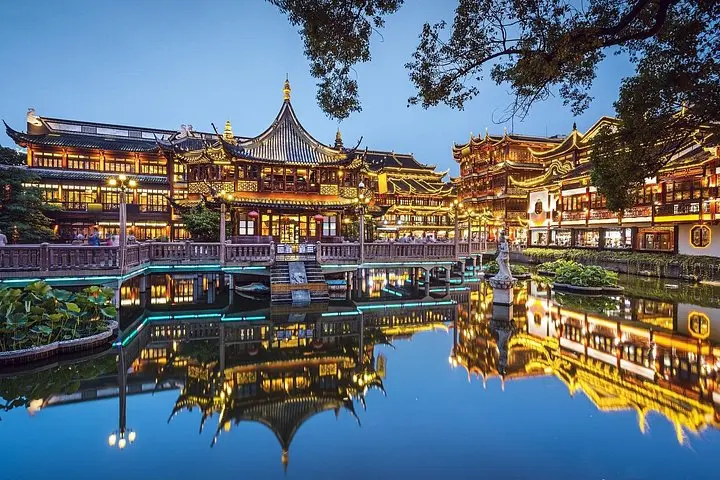
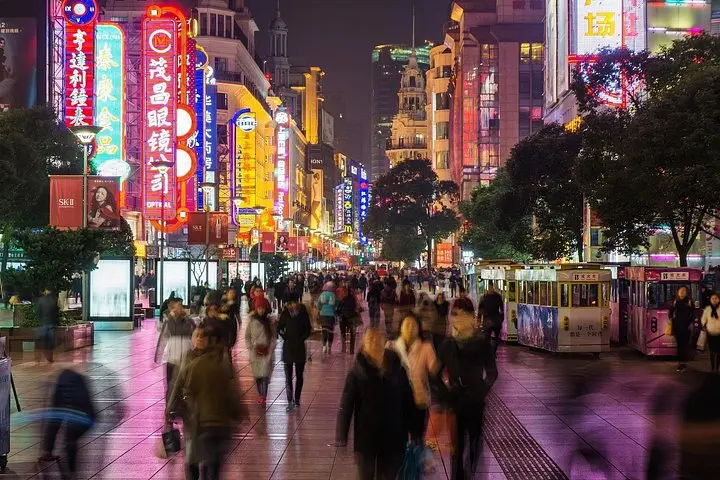
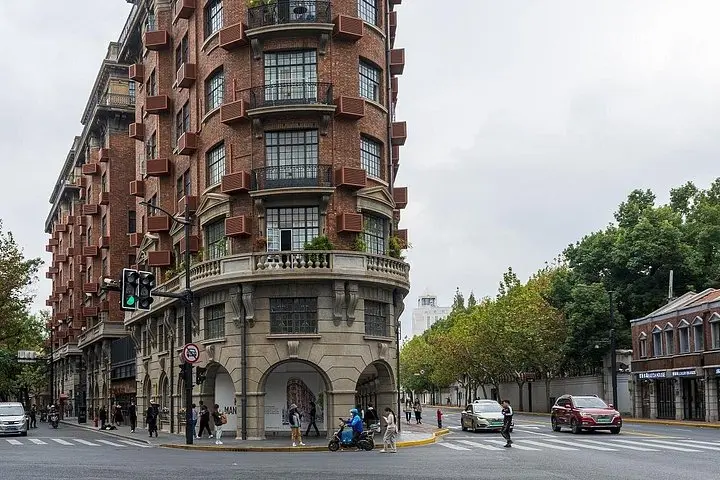
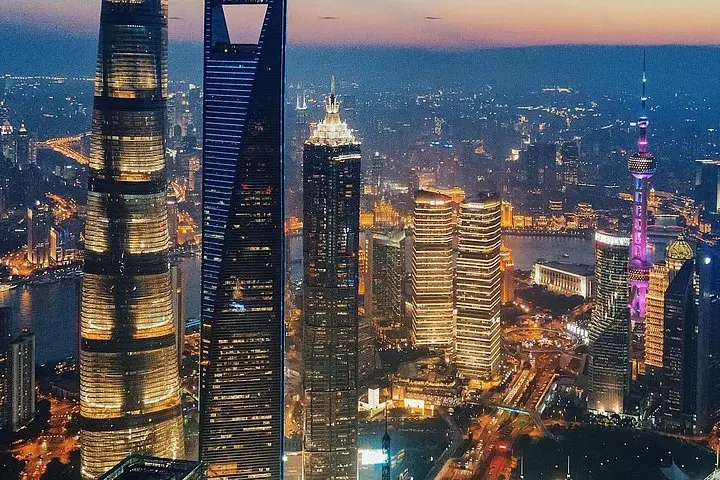
Arriving in Shanghai, the city breathes around you: the Huangpu River pushes light across glass towers while lane-side vendors call out breakfast steamed buns. Over seven days the itinerary moves from Shanghai’s concrete skyline to Hangzhou’s breathing West Lake and the delicate waterways of Suzhou, each place shifting pace like a tide.
Arriving in Shanghai, the city breathes around you: the Huangpu River pushes light across glass towers while lane-side vendors call out breakfast steamed buns. Over seven days the itinerary moves from Shanghai’s concrete skyline to Hangzhou’s breathing West Lake and the delicate waterways of Suzhou, each place shifting pace like a tide.
This loop through Jiangnan traces centuries of commerce and garden craft: Shanghai’s Bund records decades of treaty-port architecture; Hangzhou’s West Lake preserves legendary landscapes that inspired poets since the Tang dynasty; Suzhou’s classical gardens crystallize Ming and Qing ideals of human-scale nature. Geology matters here—low alluvial plains feeding canals, Taihu’s shallow lake basins that kept rice and silk production thriving, and the granite outcrops framing Lingyin Temple’s grottoes.
Culturally the tour centers on tea culture, canal-town life, and classical garden design—expect tea tasting in Longjing Village, waterside walkways in Pingjiang, and the horticultural geometry of the Humble Administrator’s Garden. Guides supply local context and logistics: high-speed rail connects cities, hotels are centrally located, and most sites require basic admissions.
Practical guidance: travel light between cities with a compact suitcase, plan mornings for West Lake and gardens to avoid crowds, and carry a digital and paper copy of your passport for ticketing. Comfortable shoes and a light rain layer will cover most weather; bring small cash for street snacks and temple donations. With a mix of city walking and gentle cultural sites, this circuit is accessible yet rich—structured enough for travelers who want smooth logistics and flexible moments to explore.