THE ADVENTURE COLLECTIVE® · Independent discovery and booking for outdoor travel

Explore Bhutan’s high valleys and sacred sites on a seven-day shared tour from Thimphu. Visit Paro’s Tiger’s Nest, Punakha Dzong, and the crane wintering grounds in Phobjikha while staying in comfortable hotels.
Explore Bhutan’s high valleys and sacred sites on a seven-day shared tour from Thimphu. Visit Paro’s Tiger’s Nest, Punakha Dzong, and the crane wintering grounds in Phobjikha while staying in comfortable hotels.
Morning light slices the Paro Valley as visitors step from the plane and inhale a mountain air that feels like an invitation. Over seven days the itinerary threads through Thimphu’s carved wooden temples, the high ridgeline stupas of Dochula Pass, the quiet rice terraces of Punakha and the bowl-like silence of Phobjikha (Gangtey) Valley where cranes arrive each winter.
Verified experiences and guided adventures in the surrounding area.
Operated by BARBIL TOURS · Thimphu, Thimphu District
Morning light slices the Paro Valley as visitors step from the plane and inhale a mountain air that feels like an invitation. Over seven days the itinerary threads through Thimphu’s carved wooden temples, the high ridgeline stupas of Dochula Pass, the quiet rice terraces of Punakha and the bowl-like silence of Phobjikha (Gangtey) Valley where cranes arrive each winter.
Bhutan’s landscape is young Himalaya — folded rock, steep river gorges and long ridgelines. Centuries of Buddhist practice shaped villages into living places of prayer: dzongs (fortress-monasteries) combine administrative life with cloistered ritual, while chortens mark pilgrimage routes. Local life still orients around seasonal farming, prayer flags and fortified bridges that once guarded trade routes between valleys.
Expect steady drives on narrow mountain roads, short cultural walks in town and a full-day hike to Taktsang (Tiger’s Nest) — a 4–5 hour round-trip with steep stone steps and switchbacks that reward hikers with a cliff-hung monastery and broad valley views. Phobjikha offers gentler walking in meadowlands and birdwatching for black-necked cranes in winter.
Practical notes: altitude and narrow roads define the rhythm here — hydrate, pace climbs, and allow mornings for sightseeing when light and temperate. Comfortable waterproof footwear and layered clothing are essential; guide-led logistics cover transport, most meals and entry fees but carry cash for small purchases and temple donations. With steady fitness and cultural curiosity, travelers leave with both panoramic views and a clearer sense of Bhutan’s living heritage.
Yes. Tours include visa processing fees; provide passport details at booking and confirm visa handling with the operator.
It’s a steady 3–4 hour ascent with steep stone steps and short, steep sections; moderate fitness and good footwear are recommended.
Crane sightings are seasonal (late autumn to early spring) in Phobjikha Valley; sightings aren’t guaranteed but likelihood is high in winter months.
Yes — this shared tour includes 3-star accommodations and most meals as listed; upgrades may be available on request.
BARBIL TOURS operates guided outdoor trips and adventures with an emphasis on safety, stewardship, and memorable experiences.
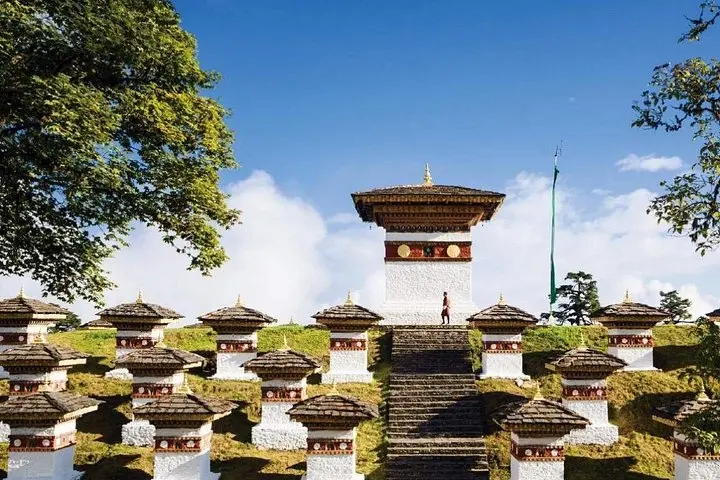
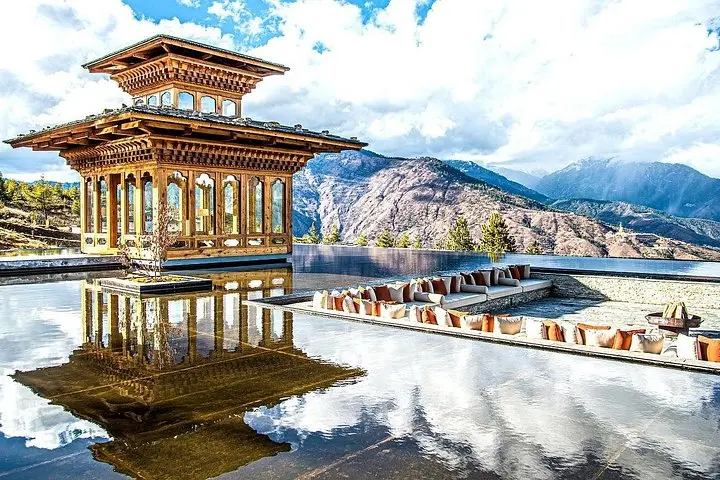
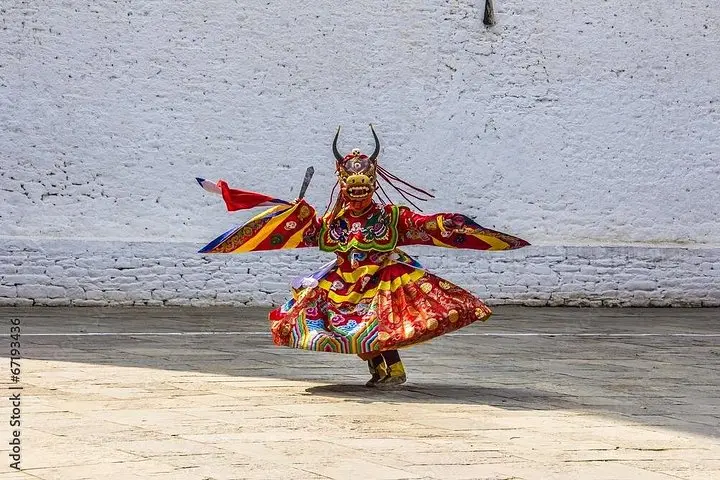
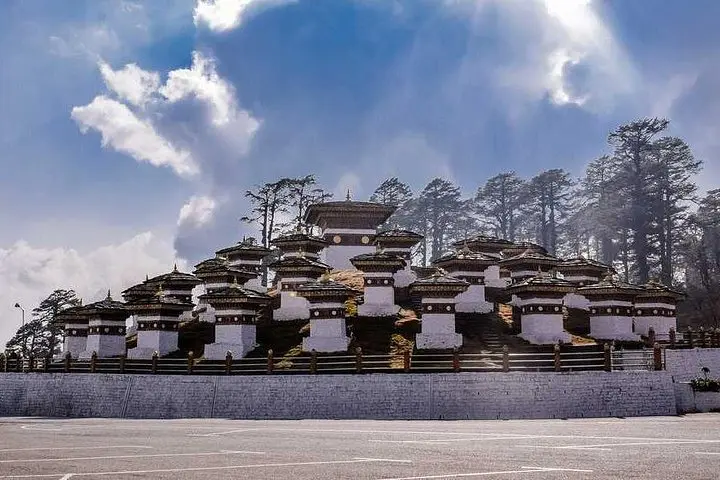
Morning light slices the Paro Valley as visitors step from the plane and inhale a mountain air that feels like an invitation. Over seven days the itinerary threads through Thimphu’s carved wooden temples, the high ridgeline stupas of Dochula Pass, the quiet rice terraces of Punakha and the bowl-like silence of Phobjikha (Gangtey) Valley where cranes arrive each winter.
Morning light slices the Paro Valley as visitors step from the plane and inhale a mountain air that feels like an invitation. Over seven days the itinerary threads through Thimphu’s carved wooden temples, the high ridgeline stupas of Dochula Pass, the quiet rice terraces of Punakha and the bowl-like silence of Phobjikha (Gangtey) Valley where cranes arrive each winter.
Bhutan’s landscape is young Himalaya — folded rock, steep river gorges and long ridgelines. Centuries of Buddhist practice shaped villages into living places of prayer: dzongs (fortress-monasteries) combine administrative life with cloistered ritual, while chortens mark pilgrimage routes. Local life still orients around seasonal farming, prayer flags and fortified bridges that once guarded trade routes between valleys.
Expect steady drives on narrow mountain roads, short cultural walks in town and a full-day hike to Taktsang (Tiger’s Nest) — a 4–5 hour round-trip with steep stone steps and switchbacks that reward hikers with a cliff-hung monastery and broad valley views. Phobjikha offers gentler walking in meadowlands and birdwatching for black-necked cranes in winter.
Practical notes: altitude and narrow roads define the rhythm here — hydrate, pace climbs, and allow mornings for sightseeing when light and temperate. Comfortable waterproof footwear and layered clothing are essential; guide-led logistics cover transport, most meals and entry fees but carry cash for small purchases and temple donations. With steady fitness and cultural curiosity, travelers leave with both panoramic views and a clearer sense of Bhutan’s living heritage.