THE ADVENTURE COLLECTIVE® · Independent discovery and booking for outdoor travel

A compact private 7-day circuit from Siem Reap’s Angkor temples to Phnom Penh’s royal sites and Khmer Rouge memorials. Expect sunrise at Angkor, a Tonle Sap boat ride, silk-weaving on Koh Dach, and a nuanced cultural narrative guided by local experts.
A compact private 7-day circuit from Siem Reap’s Angkor temples to Phnom Penh’s royal sites and Khmer Rouge memorials. Expect sunrise at Angkor, a Tonle Sap boat ride, silk-weaving on Koh Dach, and a nuanced cultural narrative guided by local experts.
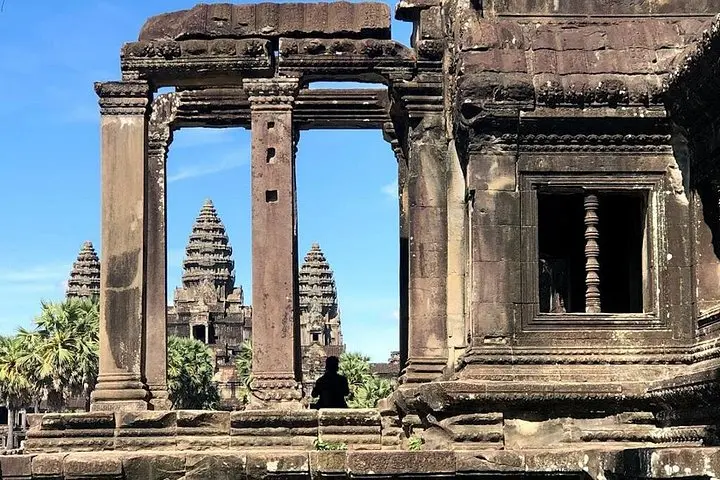
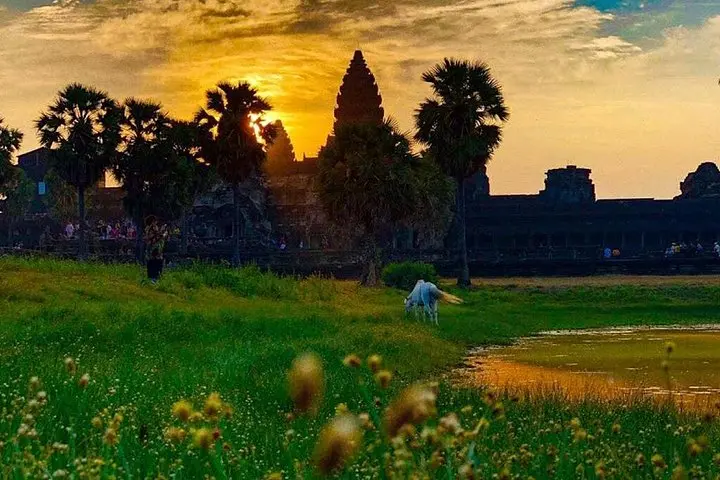
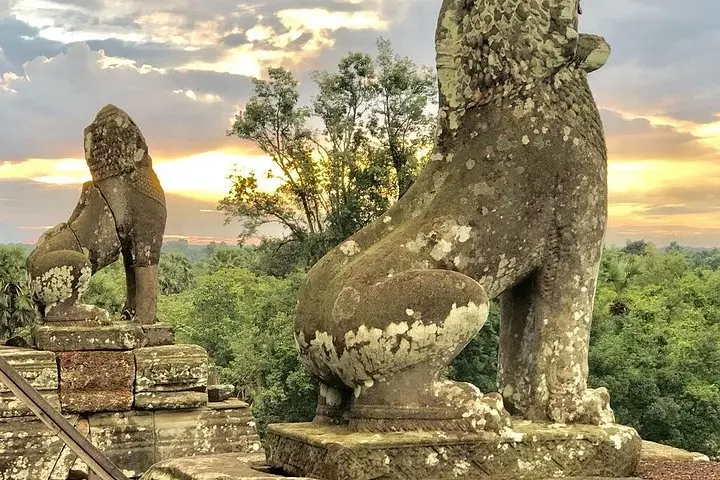
Morning light spills across the moat as travelers gather at Angkor Wat for sunrise, silhouettes slipping between sandstone galleries and carved lintels. Over seven days this private tour moves from temple stones to river life and the capital’s solemn history: Angkor Thom’s Bayon faces, the tree-claimed corridors of Ta Prohm, the pink-carved reliefs of Banteay Srei, then a low-lying boat trip across Tonle Sap to villages that float with the monsoon cycle.
Verified experiences and guided adventures in the surrounding area.
Operated by Peacock Asia Tours · Siem Reap, Siem Reap Province
Morning light spills across the moat as travelers gather at Angkor Wat for sunrise, silhouettes slipping between sandstone galleries and carved lintels. Over seven days this private tour moves from temple stones to river life and the capital’s solemn history: Angkor Thom’s Bayon faces, the tree-claimed corridors of Ta Prohm, the pink-carved reliefs of Banteay Srei, then a low-lying boat trip across Tonle Sap to villages that float with the monsoon cycle.
Geology here is simple but decisive: Khmer masonry sits on a vast plain of alluvial silt, the region shaped by the Mekong’s seasonal pulse. Culturally the itinerary spans millennia — the 12th-century Angkorian empire’s religious art, French colonial-era Phnom Penh, and the tragic modern chapters at Tuol Sleng and Choeung Ek. Silk Island and Oudong offer quieter, rural rhythms: weavers at wooden looms and stupas on the ridgeline that reward a short climb with countryside panoramas.
Practical guidance: expect mostly flat walking of 3–6 km per day on uneven temple stones and packed dirt; bring sturdy closed-toe shoes, a lightweight long-sleeve shirt and sun protection, and insect repellent for river and dusk. Temple dress codes require shoulders and knees covered; bring cash (USD widely accepted) for entrance fees and donations. Early starts are routine—sunrise at Angkor and a dawn boat on Tonle Sap are highlights—so plan rest nights and hydrate in the tropical heat. Transfers use air-conditioned vehicles; the overland drive to Phnom Penh is about five hours. With a local guide, visitors get context for both the brilliant bas-reliefs and the difficult history that follows, making this a compact, layered introduction to Cambodia’s landscapes and stories.
Entrance fees are typically not included in this tour price; your guide or operator will advise on purchasing a 1-, 3-, or 7-day Angkor Pass on arrival.
Some transfers and flat areas are accessible, but temple sites have uneven stone steps and soft ground; check with the operator for tailored arrangements.
November to February offers cooler, drier weather and clearer skies; shoulder months can be less crowded but expect occasional rain during the wet season (May–October).
Local lunches are included on some days and cold bottled water/towels during temple visits are provided; plan for occasional meals and snacks on your own.
Peacock Asia Tours operates guided outdoor trips and adventures with an emphasis on safety, stewardship, and memorable experiences.

Morning light spills across the moat as travelers gather at Angkor Wat for sunrise, silhouettes slipping between sandstone galleries and carved lintels. Over seven days this private tour moves from temple stones to river life and the capital’s solemn history: Angkor Thom’s Bayon faces, the tree-claimed corridors of Ta Prohm, the pink-carved reliefs of Banteay Srei, then a low-lying boat trip across Tonle Sap to villages that float with the monsoon cycle.
Morning light spills across the moat as travelers gather at Angkor Wat for sunrise, silhouettes slipping between sandstone galleries and carved lintels. Over seven days this private tour moves from temple stones to river life and the capital’s solemn history: Angkor Thom’s Bayon faces, the tree-claimed corridors of Ta Prohm, the pink-carved reliefs of Banteay Srei, then a low-lying boat trip across Tonle Sap to villages that float with the monsoon cycle.
Geology here is simple but decisive: Khmer masonry sits on a vast plain of alluvial silt, the region shaped by the Mekong’s seasonal pulse. Culturally the itinerary spans millennia — the 12th-century Angkorian empire’s religious art, French colonial-era Phnom Penh, and the tragic modern chapters at Tuol Sleng and Choeung Ek. Silk Island and Oudong offer quieter, rural rhythms: weavers at wooden looms and stupas on the ridgeline that reward a short climb with countryside panoramas.
Practical guidance: expect mostly flat walking of 3–6 km per day on uneven temple stones and packed dirt; bring sturdy closed-toe shoes, a lightweight long-sleeve shirt and sun protection, and insect repellent for river and dusk. Temple dress codes require shoulders and knees covered; bring cash (USD widely accepted) for entrance fees and donations. Early starts are routine—sunrise at Angkor and a dawn boat on Tonle Sap are highlights—so plan rest nights and hydrate in the tropical heat. Transfers use air-conditioned vehicles; the overland drive to Phnom Penh is about five hours. With a local guide, visitors get context for both the brilliant bas-reliefs and the difficult history that follows, making this a compact, layered introduction to Cambodia’s landscapes and stories.