THE ADVENTURE COLLECTIVE® · Independent discovery and booking for outdoor travel

Spend seven days tracing America’s oldest and most influential universities on a small-group tour from NYC. From NYU and Columbia to Harvard, MIT, Penn and Yale, this itinerary blends official campus tours with city highlights, museum visits, and practical small-group comforts.
Spend seven days tracing America’s oldest and most influential universities on a small-group tour from NYC. From NYU and Columbia to Harvard, MIT, Penn and Yale, this itinerary blends official campus tours with city highlights, museum visits, and practical small-group comforts.
The bus eases away from Washington Square Park as morning light slides across the arch and the city wakes. For the next seven days, the skyline becomes a classroom: brownstone facades and Gothic spires, quadrangles and quad-lined pathways, and the Hudson or Charles River framing each campus visit. In a small group capped at a dozen guests, the trip moves with purpose—short walks, long coaches, and timed admissions—letting travelers absorb the architecture, history, and rituals that shape America’s oldest universities.
Verified experiences and guided adventures in the surrounding area.
Operated by Jupiter Legend Corporation · New York, NY
The bus eases away from Washington Square Park as morning light slides across the arch and the city wakes. For the next seven days, the skyline becomes a classroom: brownstone facades and Gothic spires, quadrangles and quad-lined pathways, and the Hudson or Charles River framing each campus visit. In a small group capped at a dozen guests, the trip moves with purpose—short walks, long coaches, and timed admissions—letting travelers absorb the architecture, history, and rituals that shape America’s oldest universities.
The itinerary stitches together colonial roots and modern ambition. From NYU’s vibrant Village energy to Columbia’s ivy-clad Morningside Heights, the tour traces institutions that helped define higher education. Philadelphia’s University of Pennsylvania recalls Benjamin Franklin’s pragmatic founding; Independence National Historical Park anchors those academic stories in the work of the nation’s founders. In Baltimore, Johns Hopkins’ research pedigree shows the shift from classical learning to modern science. Up north, the ritual of crossing Harvard Yard or walking MIT’s Infinite Corridor stages a different kind of pilgrimage—one built on tradition, rivalry, and innovation.
Geology and urban growth play supporting roles: Manhattan’s landfill-made West Side hosts Hudson Yards, Boston rises from its granite and harbor-edge history, and river channels dare you to look at cities from the water. Cultural notes arrive in the details—Bryant Park’s seasonal programming, Quincy Market’s clam-shacks and lobster rolls, and the student sculptures tucked into college courtyards. Guides bilingual in English and Chinese add local perspective and practical logistics, smoothing lines and translating institutional lore.
Practical realities matter. Days begin early with coach transfers that include Wi‑Fi and charging ports, and most walking segments are moderate—45 minutes to two hours on foot through campuses and city blocks. Hotels are boutique or well-located airport properties; breakfasts are included for six mornings, with a Penn Museum visit and select guided campus tours pre-arranged. Optional extras—Liberty cruises, Edge at Hudson Yards, aquarium visits, or a West Point tour—let travelers trade time for depth. Note the passport requirement for West Point and that airport hotel stays may affect participation in morning activities.
For travelers: pack reliable walking shoes, a compact daypack, and a power bank. Expect well-paced days with plenty of photo stops, a mix of guided and self-guided museum time, and the comfort of small-group dynamics that let questions be asked and detours considered. This is a tour for people curious about place—its institutions, streets, and the lived-in history that classrooms alone do not teach.
The primary departure is in Manhattan (NYU/West 4th Street area), with other pickup points in Brooklyn and Flushing; arrive 5–10 minutes early for check-in.
Breakfast is included for six mornings and one lunch (Penn day); other meals are at your expense with suggested stops and optional group dinners.
Yes — the tour is labeled physically easy, but children under 18 must be accompanied by an adult and infants should sit on laps on the coach.
Complimentary airport pickups are offered—contact the operator with flight details in advance; some airport hotels may miss morning activities.
Yes, you can leave early by informing the guide and signing a departure form, but refunds are not provided for unused segments.
Full refunds are available for cancellations made at least 24 hours before departure; weather or low enrollment may also prompt changes or refunds.
Jupiter Legend Corporation operates guided outdoor trips and adventures with an emphasis on safety, stewardship, and memorable experiences.
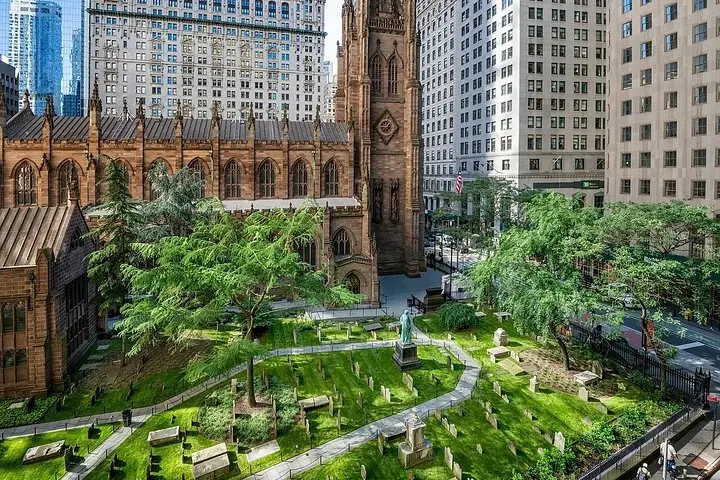

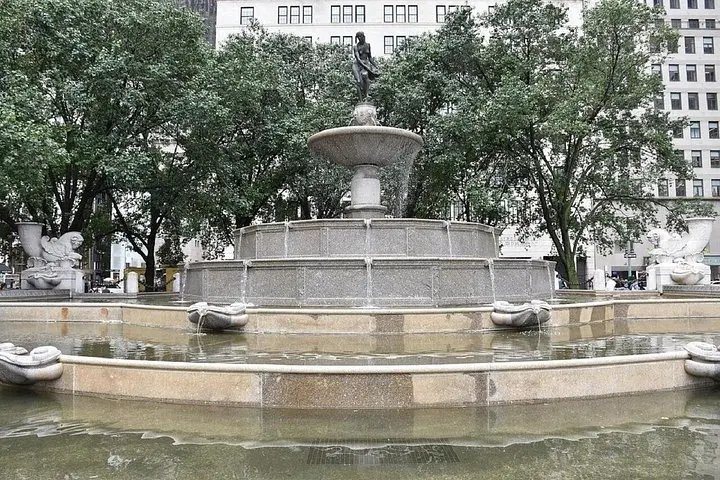
The bus eases away from Washington Square Park as morning light slides across the arch and the city wakes. For the next seven days, the skyline becomes a classroom: brownstone facades and Gothic spires, quadrangles and quad-lined pathways, and the Hudson or Charles River framing each campus visit. In a small group capped at a dozen guests, the trip moves with purpose—short walks, long coaches, and timed admissions—letting travelers absorb the architecture, history, and rituals that shape America’s oldest universities.
The bus eases away from Washington Square Park as morning light slides across the arch and the city wakes. For the next seven days, the skyline becomes a classroom: brownstone facades and Gothic spires, quadrangles and quad-lined pathways, and the Hudson or Charles River framing each campus visit. In a small group capped at a dozen guests, the trip moves with purpose—short walks, long coaches, and timed admissions—letting travelers absorb the architecture, history, and rituals that shape America’s oldest universities.
The itinerary stitches together colonial roots and modern ambition. From NYU’s vibrant Village energy to Columbia’s ivy-clad Morningside Heights, the tour traces institutions that helped define higher education. Philadelphia’s University of Pennsylvania recalls Benjamin Franklin’s pragmatic founding; Independence National Historical Park anchors those academic stories in the work of the nation’s founders. In Baltimore, Johns Hopkins’ research pedigree shows the shift from classical learning to modern science. Up north, the ritual of crossing Harvard Yard or walking MIT’s Infinite Corridor stages a different kind of pilgrimage—one built on tradition, rivalry, and innovation.
Geology and urban growth play supporting roles: Manhattan’s landfill-made West Side hosts Hudson Yards, Boston rises from its granite and harbor-edge history, and river channels dare you to look at cities from the water. Cultural notes arrive in the details—Bryant Park’s seasonal programming, Quincy Market’s clam-shacks and lobster rolls, and the student sculptures tucked into college courtyards. Guides bilingual in English and Chinese add local perspective and practical logistics, smoothing lines and translating institutional lore.
Practical realities matter. Days begin early with coach transfers that include Wi‑Fi and charging ports, and most walking segments are moderate—45 minutes to two hours on foot through campuses and city blocks. Hotels are boutique or well-located airport properties; breakfasts are included for six mornings, with a Penn Museum visit and select guided campus tours pre-arranged. Optional extras—Liberty cruises, Edge at Hudson Yards, aquarium visits, or a West Point tour—let travelers trade time for depth. Note the passport requirement for West Point and that airport hotel stays may affect participation in morning activities.
For travelers: pack reliable walking shoes, a compact daypack, and a power bank. Expect well-paced days with plenty of photo stops, a mix of guided and self-guided museum time, and the comfort of small-group dynamics that let questions be asked and detours considered. This is a tour for people curious about place—its institutions, streets, and the lived-in history that classrooms alone do not teach.