THE ADVENTURE COLLECTIVE® · Independent discovery and booking for outdoor travel

A seven‑day coach tour linking Budapest with the Adriatic and the Balkans, this itinerary pairs fast‑moving travel days with guided walks through Plitvice, Dubrovnik, Mostar and Sarajevo. Expect curated history, dramatic karst landscapes and coastal urban charm with practical logistics handled.
A seven‑day coach tour linking Budapest with the Adriatic and the Balkans, this itinerary pairs fast‑moving travel days with guided walks through Plitvice, Dubrovnik, Mostar and Sarajevo. Expect curated history, dramatic karst landscapes and coastal urban charm with practical logistics handled.
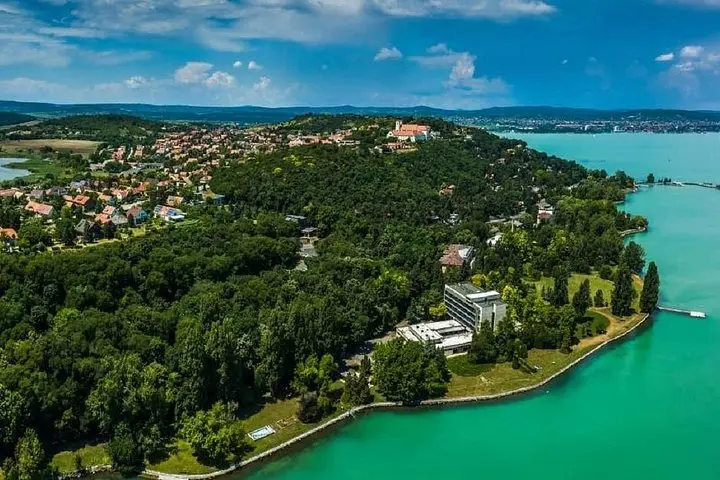
You step out onto Budapest Keleti’s platform with a coffee in hand and a map of seven countries in your pocket. Within the day the bus eases onto the highway toward Lake Balaton — the "Hungarian Sea" — its shallow waters daring you to pause, then pushes on across rolling Transdanubian plains into Zagreb’s baroque façades.
Verified experiences and guided adventures in the surrounding area.
Operated by Jupiter Legend Corporation · Budapest, Budapest
You step out onto Budapest Keleti’s platform with a coffee in hand and a map of seven countries in your pocket. Within the day the bus eases onto the highway toward Lake Balaton — the "Hungarian Sea" — its shallow waters daring you to pause, then pushes on across rolling Transdanubian plains into Zagreb’s baroque façades.
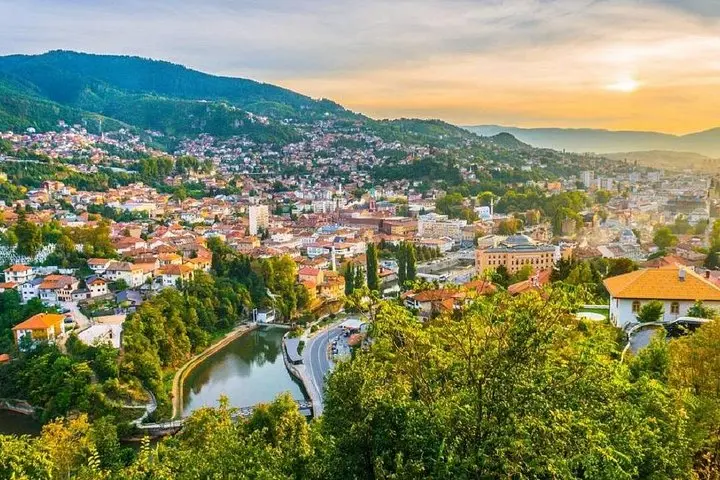
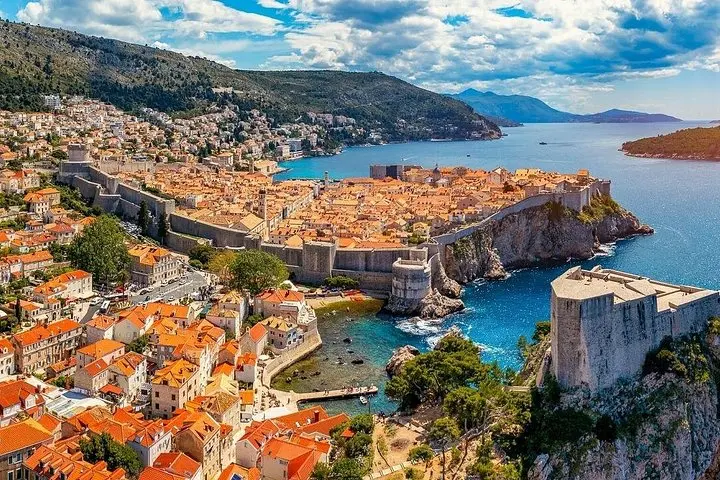
This itinerary threads through Central Europe’s layered history: Ottoman scars in Zagreb’s cathedral rebuilds, Roman foundations under Split’s Diocletian’s Palace, and the karst geology that sculpts Plitvice Lakes’ tiered limestone dams and turquoise cascades. In Croatia the sea claims the coastline — Zadar’s Sea Organ converts wave energy into music; in Bosnia, Mostar’s reconstructed 16th‑century bridge arches like a story told in stone. Sarajevo collects cultures: mosques, synagogues and churches stand within walking distance, each with a visible past.
Expect a coach-paced rhythm — mornings of travel (often 2–4 hours between major stops), interspersed with 30–120 minute guided walks at key sites. Trails at Plitvice are wooden boardwalks with modest elevation change; city tours involve cobbled streets and short climbs on fortress ramparts. Weather shifts quickly across the Adriatic and the interior, so layers are practical.
Practical guidance: book Plitvice tickets in advance; carry local currency for small vendors; allow time for border checks between countries. Bring comfortable, broken‑in walking shoes, a compact rain layer and a daypack for water and documents. This tour rewards travelers who want a brisk, well‑scaffolded survey of Southeast Europe’s natural and urban highlights.
Visa requirements depend on your nationality; check each country’s entry rules (Hungary, Croatia, Bosnia & Herzegovina, Serbia) before travel and ensure your passport has sufficient validity.
Breakfast, accommodation and coach transfers are included; some attraction fees (e.g., Plitvice entry, Dubrovnik city walls) may need to be purchased separately or on‑site as noted.
Most days include 30–120 minute guided walks at sites and short urban strolls; walking is moderate and on uneven surfaces so comfortable shoes are recommended.
Operator policy usually requires group integrity across borders; consult the operator in advance—leaving early may require signing a release and doesn’t entitle refunds.
Jupiter Legend Corporation operates guided outdoor trips and adventures with an emphasis on safety, stewardship, and memorable experiences.
You step out onto Budapest Keleti’s platform with a coffee in hand and a map of seven countries in your pocket. Within the day the bus eases onto the highway toward Lake Balaton — the "Hungarian Sea" — its shallow waters daring you to pause, then pushes on across rolling Transdanubian plains into Zagreb’s baroque façades.
You step out onto Budapest Keleti’s platform with a coffee in hand and a map of seven countries in your pocket. Within the day the bus eases onto the highway toward Lake Balaton — the "Hungarian Sea" — its shallow waters daring you to pause, then pushes on across rolling Transdanubian plains into Zagreb’s baroque façades.
This itinerary threads through Central Europe’s layered history: Ottoman scars in Zagreb’s cathedral rebuilds, Roman foundations under Split’s Diocletian’s Palace, and the karst geology that sculpts Plitvice Lakes’ tiered limestone dams and turquoise cascades. In Croatia the sea claims the coastline — Zadar’s Sea Organ converts wave energy into music; in Bosnia, Mostar’s reconstructed 16th‑century bridge arches like a story told in stone. Sarajevo collects cultures: mosques, synagogues and churches stand within walking distance, each with a visible past.
Expect a coach-paced rhythm — mornings of travel (often 2–4 hours between major stops), interspersed with 30–120 minute guided walks at key sites. Trails at Plitvice are wooden boardwalks with modest elevation change; city tours involve cobbled streets and short climbs on fortress ramparts. Weather shifts quickly across the Adriatic and the interior, so layers are practical.
Practical guidance: book Plitvice tickets in advance; carry local currency for small vendors; allow time for border checks between countries. Bring comfortable, broken‑in walking shoes, a compact rain layer and a daypack for water and documents. This tour rewards travelers who want a brisk, well‑scaffolded survey of Southeast Europe’s natural and urban highlights.