THE ADVENTURE COLLECTIVE® · Independent discovery and booking for outdoor travel

A seven-day loop from Hobart that pairs Tasmania’s headline hikes with wildlife encounters and convict history. Expect Cradle Mountain’s alpine hush, the pink granite of Wineglass Bay, and a guided visit to Port Arthur.
A seven-day loop from Hobart that pairs Tasmania’s headline hikes with wildlife encounters and convict history. Expect Cradle Mountain’s alpine hush, the pink granite of Wineglass Bay, and a guided visit to Port Arthur.
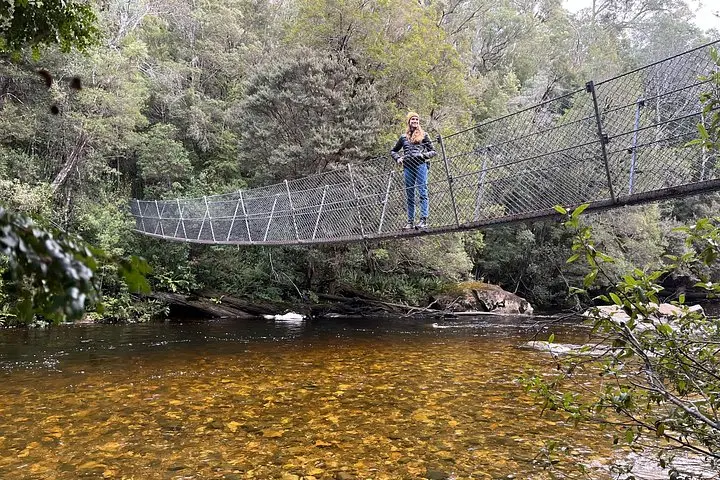
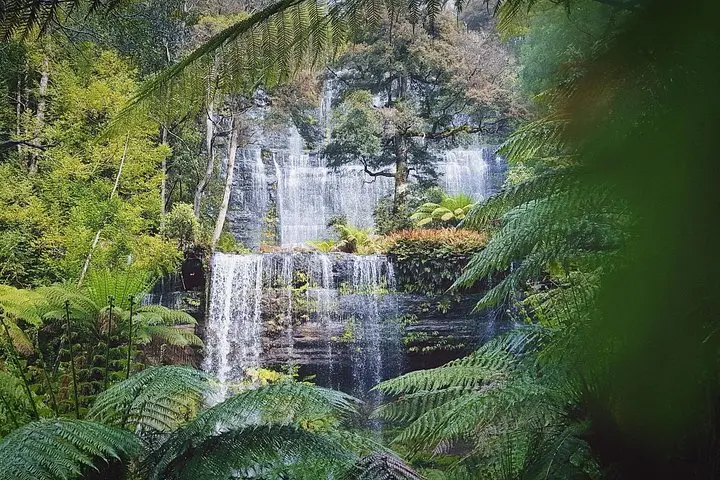
You arrive in Hobart while the harbour still holds last night’s light, the wind off the Derwent teasing salt and gumleaf. The first day’s drive peels you away from the city and into rainforest so old its trunks seem to remember glacial rhythms. On foot, the Tall Trees walk passes beneath eucalyptus and myrtle until Russell Falls drops into sight — water demanding your attention, not politely but insistently.
Verified experiences and guided adventures in the surrounding area.
Operated by Under Down Under Tours · Hobart, Tasmania
You arrive in Hobart while the harbour still holds last night’s light, the wind off the Derwent teasing salt and gumleaf. The first day’s drive peels you away from the city and into rainforest so old its trunks seem to remember glacial rhythms. On foot, the Tall Trees walk passes beneath eucalyptus and myrtle until Russell Falls drops into sight — water demanding your attention, not politely but insistently.
Over seven days this small-group tour stitches together Tasmania’s most dramatic acts: the misted dolerite columns of kunanyi/Mt Wellington, the crystalline curve of Wineglass Bay, the slow-breathing wilderness of Cradle Mountain and the dark stone of Port Arthur. Geology reads like a travelogue here — ancient granites weathered into the pink Hazards, dolerite cliffs forged from Jurassic lava, and coastal platforms pounded into arches and blowholes by the Southern Ocean.
Culturally the island has depth. The Palawa people have lived on lutruwita (Tasmania) for over 40,000 years; guide commentary touches on Aboriginal stories alongside the later colonial chapters — convicts, whaling, and the rise of small fishing towns. At Port Arthur the preserved ruins and guided harbor cruise make the penal past immediate: sandstone walls and brickwork that still hold echoes of the island’s harsher chapter.
Wildlife punctuates the route. Bonorong Sanctuary introduces nocturnal marsupials — Tasmanian devils that were once nearly lost, wombats that will approach a still onlooker, and wallabies dotting roadside glades. Each stop feels curated for both spectacle and pace: short Great Walks, lookout climbs and coastal strolls leave time for a quiet beer in a fishing town and a night in a modest motel or friendly hostel.
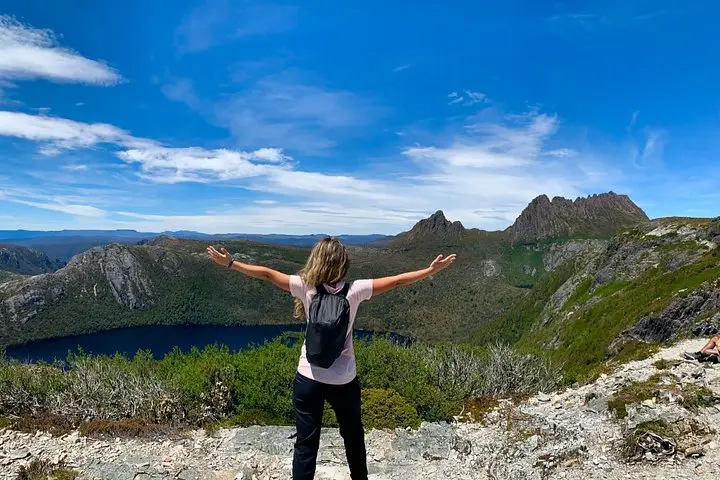
Practicalities matter. Expect active days: Dove Lake Circuit (about 6 km), Marion’s Lookout (roughly 3–4 hours with 300m ascent option), and the Wineglass Bay Lookout (1.5–2 hours return, ~200m climb) — all on maintained trails with variable rock and boardwalks. Weather changes fast; pack layered rainproof gear, sturdy boots, and a 20–30L daypack. Guides provide hotel pickups from central Hobart and handle national park fees, most entries and six nights’ accommodation. Fitness should be steady: moderate walks with some steeper climbs, not technical scrambling.
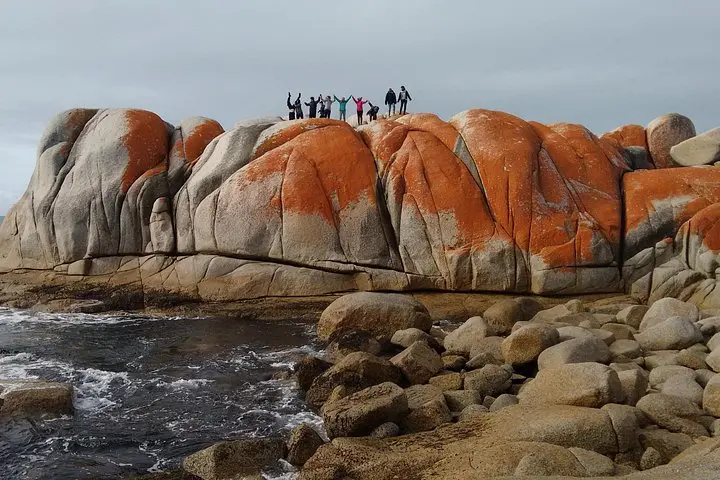
This tour is practical, scenic and paced to let Tasmania’s contrasts land: rainforest hush, alpine wind on a summit, orange lichen on granite, and the quiet, complex history of a small island. Bring curiosity, prepare for variable weather, and leave space in your camera and your legs for unexpected detours.
Six nights’ accommodation, national park entry fees, Bonorong and Port Arthur entries, expert guides and Hobart CBD pickups are included; some optional extras like the Gordon River cruise incur additional cost.
Moderate — daily walks of varying length, some uphill sections (e.g., Marion’s Lookout). A reasonable level of fitness is required but no technical climbing skills are needed.
Yes — guides can manage common dietary requirements if advised at booking; there’s a booking question for special requirements.
Yes — travel insurance that covers medical evacuation and activity-related incidents is strongly recommended for this multi-day tour.
Bring spare batteries or a power bank, weatherproof camera protection, and ample memory; sunrise and sunset lighting are spectacular at coastal lookouts.
Pickups are listed from central Hobart hotels and hostels; arrange airport-to-CBD transport beforehand or contact the supplier about custom pickup options.
Under Down Under Tours operates guided outdoor trips and adventures with an emphasis on safety, stewardship, and memorable experiences.
You arrive in Hobart while the harbour still holds last night’s light, the wind off the Derwent teasing salt and gumleaf. The first day’s drive peels you away from the city and into rainforest so old its trunks seem to remember glacial rhythms. On foot, the Tall Trees walk passes beneath eucalyptus and myrtle until Russell Falls drops into sight — water demanding your attention, not politely but insistently.
You arrive in Hobart while the harbour still holds last night’s light, the wind off the Derwent teasing salt and gumleaf. The first day’s drive peels you away from the city and into rainforest so old its trunks seem to remember glacial rhythms. On foot, the Tall Trees walk passes beneath eucalyptus and myrtle until Russell Falls drops into sight — water demanding your attention, not politely but insistently.
Over seven days this small-group tour stitches together Tasmania’s most dramatic acts: the misted dolerite columns of kunanyi/Mt Wellington, the crystalline curve of Wineglass Bay, the slow-breathing wilderness of Cradle Mountain and the dark stone of Port Arthur. Geology reads like a travelogue here — ancient granites weathered into the pink Hazards, dolerite cliffs forged from Jurassic lava, and coastal platforms pounded into arches and blowholes by the Southern Ocean.
Culturally the island has depth. The Palawa people have lived on lutruwita (Tasmania) for over 40,000 years; guide commentary touches on Aboriginal stories alongside the later colonial chapters — convicts, whaling, and the rise of small fishing towns. At Port Arthur the preserved ruins and guided harbor cruise make the penal past immediate: sandstone walls and brickwork that still hold echoes of the island’s harsher chapter.
Wildlife punctuates the route. Bonorong Sanctuary introduces nocturnal marsupials — Tasmanian devils that were once nearly lost, wombats that will approach a still onlooker, and wallabies dotting roadside glades. Each stop feels curated for both spectacle and pace: short Great Walks, lookout climbs and coastal strolls leave time for a quiet beer in a fishing town and a night in a modest motel or friendly hostel.
Practicalities matter. Expect active days: Dove Lake Circuit (about 6 km), Marion’s Lookout (roughly 3–4 hours with 300m ascent option), and the Wineglass Bay Lookout (1.5–2 hours return, ~200m climb) — all on maintained trails with variable rock and boardwalks. Weather changes fast; pack layered rainproof gear, sturdy boots, and a 20–30L daypack. Guides provide hotel pickups from central Hobart and handle national park fees, most entries and six nights’ accommodation. Fitness should be steady: moderate walks with some steeper climbs, not technical scrambling.
This tour is practical, scenic and paced to let Tasmania’s contrasts land: rainforest hush, alpine wind on a summit, orange lichen on granite, and the quiet, complex history of a small island. Bring curiosity, prepare for variable weather, and leave space in your camera and your legs for unexpected detours.