THE ADVENTURE COLLECTIVE® · Independent discovery and booking for outdoor travel

Traverse lakes, waterfalls and UNESCO-listed karst plateaus on a seven-day loop through northern Vietnam. This route combines a full day of trekking with boat trips, cave visits and cultural stops in Dao, Tay and Hmong villages.
Traverse lakes, waterfalls and UNESCO-listed karst plateaus on a seven-day loop through northern Vietnam. This route combines a full day of trekking with boat trips, cave visits and cultural stops in Dao, Tay and Hmong villages.
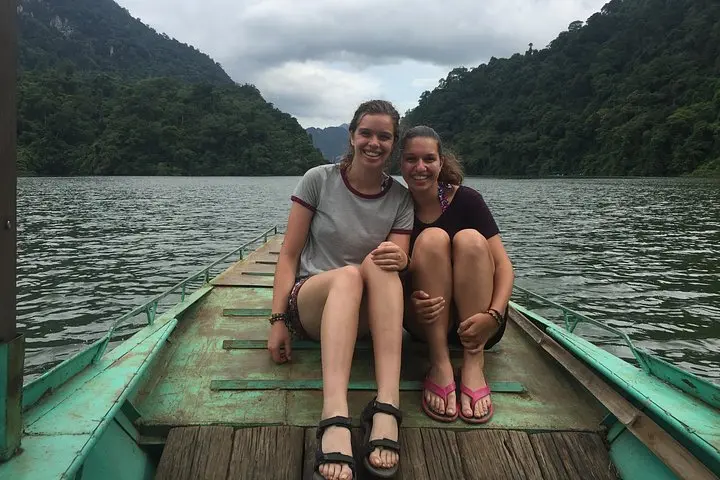
Morning mist lifts off Ba Be Lake as a wooden boat slips through reed-fringed water, the limestone cliffs catching first light. Over seven days you move from placid lakes and forest trails to the thunder of Ban Gioc and the ragged karst ridgelines of Ha Giang — a route that reads like a field guide to northern Vietnam’s geology and cultures.
Verified experiences and guided adventures in the surrounding area.
Operated by Old Quarter Travel · Ba Be, Bắc Kạn
Morning mist lifts off Ba Be Lake as a wooden boat slips through reed-fringed water, the limestone cliffs catching first light. Over seven days you move from placid lakes and forest trails to the thunder of Ban Gioc and the ragged karst ridgelines of Ha Giang — a route that reads like a field guide to northern Vietnam’s geology and cultures.
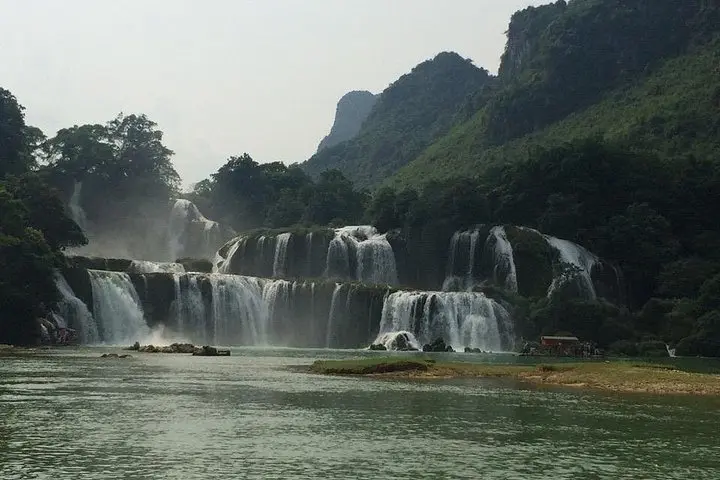
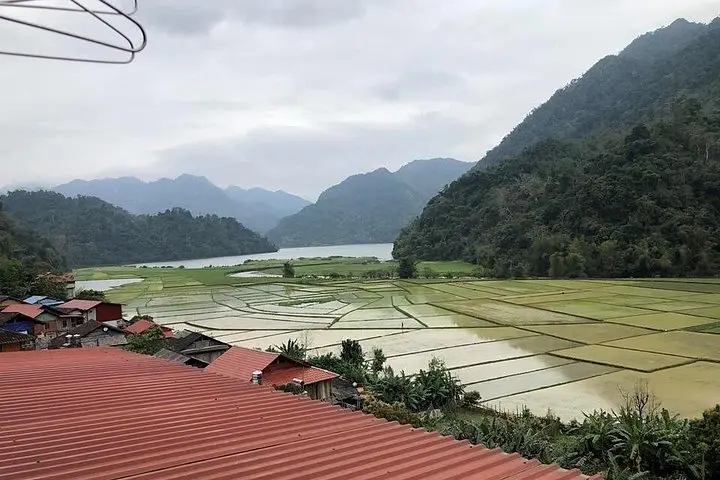
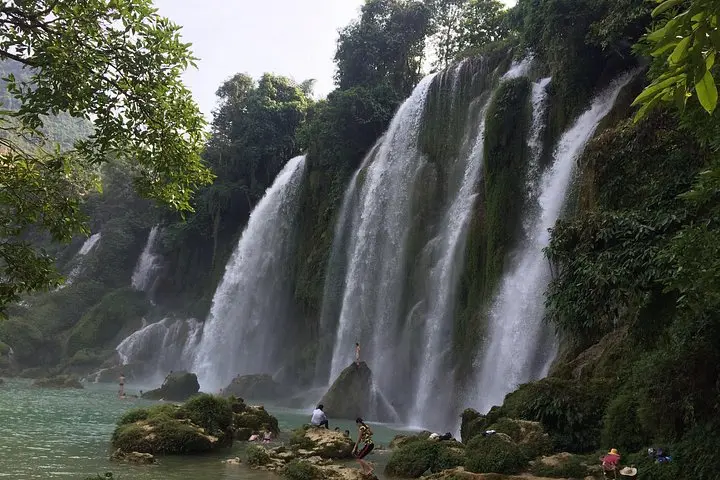
The trip threads three distinct landscapes: Ba Be National Park’s freshwater karst basin and mixed evergreen forest, the cross-border cataracts at Ban Gioc carved from limestone seams, and the Ha Giang Karst Plateau — Vietnam’s first UNESCO Global Geopark — where folded rock and deep river gorges shape isolated valleys. Along the way Dao, Tay and Hmong communities maintain textile, incense and farming traditions shaped by frontier life and French-era roads.
Expect a full-day trek of about 14–15 km (7 hours including lunch), shorter village walks, a 6 km cycle to Hua Ma cave, and boat or kayak time on Ba Be and beneath Ban Gioc. Terrain alternates dirt tracks, slick roots, riverbanks and paved mountain roads; elevation changes are frequent but not extreme. Pack grippy hiking shoes, rain protection and a small daypack; carry cash for remote villages and be ready for long transfers between sites.
Practical note: acclimatize in Hanoi before departure, allow flexible time for mountain weather, and prioritize locally run homestays when possible — they support community stewardship of the landscapes you’ll pass through.
The main trekking day covers about 14–15 km and lasts roughly 7 hours including a long lunch; expect moderate climbs and uneven trails but no technical climbing.
You’ll stay in a mix of homestays and 3‑star hotels; homestays are simple but include warm meals and cultural exchange.
No special permits are required for foreign visitors beyond standard ID/passport; border areas remain accessible via guided routes provided on this tour.
Fall (Sept–Nov) offers the most stable weather and clear views, while spring is good for mild temperatures and flowering landscapes.
Old Quarter Travel operates guided outdoor trips and adventures with an emphasis on safety, stewardship, and memorable experiences.
Morning mist lifts off Ba Be Lake as a wooden boat slips through reed-fringed water, the limestone cliffs catching first light. Over seven days you move from placid lakes and forest trails to the thunder of Ban Gioc and the ragged karst ridgelines of Ha Giang — a route that reads like a field guide to northern Vietnam’s geology and cultures.
Morning mist lifts off Ba Be Lake as a wooden boat slips through reed-fringed water, the limestone cliffs catching first light. Over seven days you move from placid lakes and forest trails to the thunder of Ban Gioc and the ragged karst ridgelines of Ha Giang — a route that reads like a field guide to northern Vietnam’s geology and cultures.
The trip threads three distinct landscapes: Ba Be National Park’s freshwater karst basin and mixed evergreen forest, the cross-border cataracts at Ban Gioc carved from limestone seams, and the Ha Giang Karst Plateau — Vietnam’s first UNESCO Global Geopark — where folded rock and deep river gorges shape isolated valleys. Along the way Dao, Tay and Hmong communities maintain textile, incense and farming traditions shaped by frontier life and French-era roads.
Expect a full-day trek of about 14–15 km (7 hours including lunch), shorter village walks, a 6 km cycle to Hua Ma cave, and boat or kayak time on Ba Be and beneath Ban Gioc. Terrain alternates dirt tracks, slick roots, riverbanks and paved mountain roads; elevation changes are frequent but not extreme. Pack grippy hiking shoes, rain protection and a small daypack; carry cash for remote villages and be ready for long transfers between sites.
Practical note: acclimatize in Hanoi before departure, allow flexible time for mountain weather, and prioritize locally run homestays when possible — they support community stewardship of the landscapes you’ll pass through.