THE ADVENTURE COLLECTIVE® · Independent discovery and booking for outdoor travel

Cross ancient battlefields, Hellenistic theaters and surreal volcanic valleys on a seven-day loop from Istanbul. This guided itinerary pairs deep-history sites—Troy, Ephesus, Hierapolis—with Cappadocia’s otherworldly landscape and the chance for a sunrise balloon flight.
Cross ancient battlefields, Hellenistic theaters and surreal volcanic valleys on a seven-day loop from Istanbul. This guided itinerary pairs deep-history sites—Troy, Ephesus, Hierapolis—with Cappadocia’s otherworldly landscape and the chance for a sunrise balloon flight.
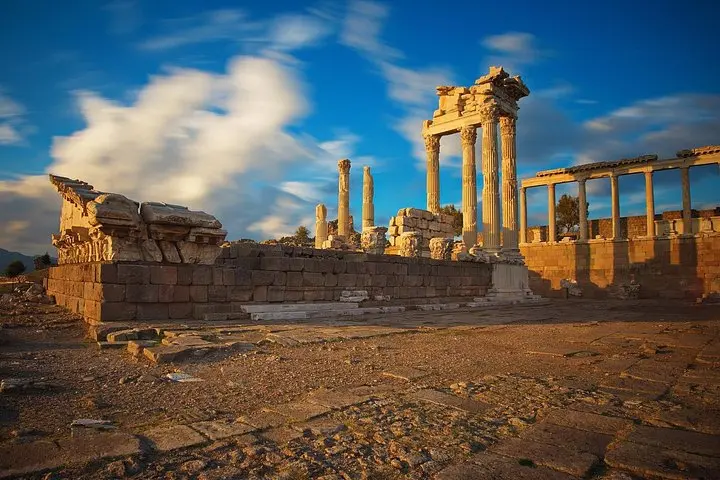
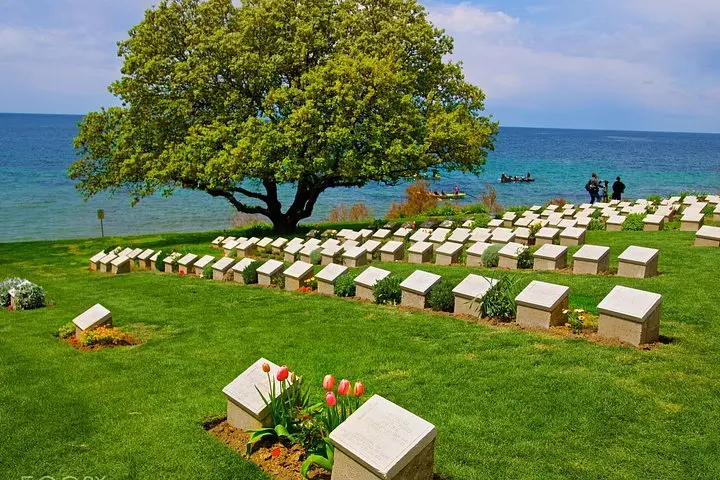
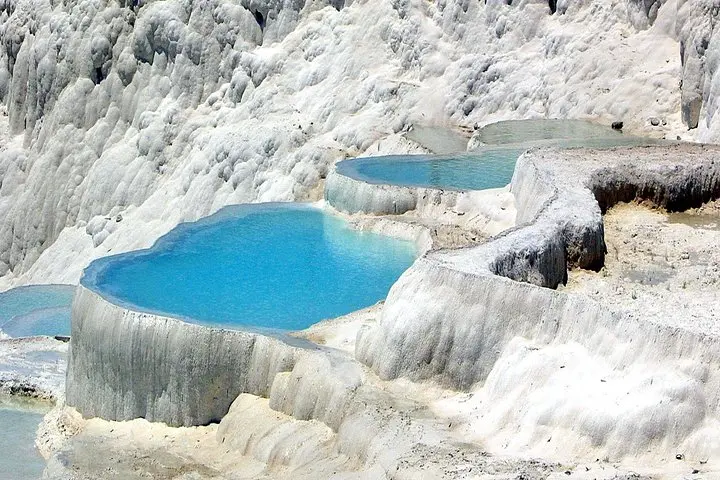
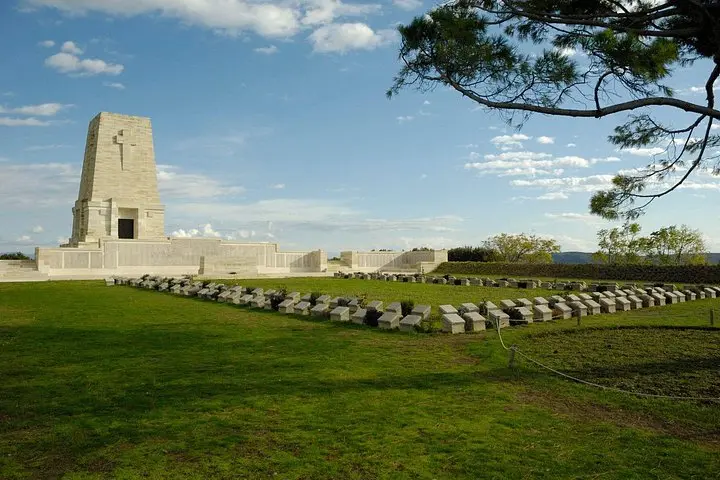
You step onto the coach at dawn in Istanbul, the Bosphorus light thinning as the city slips behind you. The road becomes a ribbon through olive groves and wheat fields; each stop unfolds a different layer of Turkey’s past — Gallipoli’s silent cemeteries, Troy’s stacked ruins, the marble facades of Ephesus, the white travertines of Pamukkale, and finally Cappadocia’s lunar valleys.
Verified experiences and guided adventures in the surrounding area.
Operated by Travel Tips Turkey · Istanbul, Istanbul
You step onto the coach at dawn in Istanbul, the Bosphorus light thinning as the city slips behind you. The road becomes a ribbon through olive groves and wheat fields; each stop unfolds a different layer of Turkey’s past — Gallipoli’s silent cemeteries, Troy’s stacked ruins, the marble facades of Ephesus, the white travertines of Pamukkale, and finally Cappadocia’s lunar valleys.
This route threads Hellenistic, Roman and Seljuk history with Ottoman-era culture. Troy’s multiple occupation layers reveal Bronze Age urban planning; Pergamum’s hilltop library points to Hellenistic scholarship; Hierapolis and Pamukkale form a geologic show of calcium-rich springs and travertine terraces formed over millennia by mineral-laden water. Konya offers the spiritual legacy of Rumi and the Whirling Dervishes, while Cappadocia’s tuff rock, sculpted both by erosion and centuries of human carving, houses underground cities and cave churches.
Expect guided walks, museum visits, and short hikes in rocky valleys and archaeological sites; some days include long transfers by minibus and a domestic flight back to Istanbul. Mornings are best for sightseeing—light is kinder on ruins and the travertines—and an optional hot-air balloon ride in Cappadocia adds a sunrise perspective.
Practical pointers: bring layered clothing for wide temperature swings, sturdy walking shoes for uneven ancient streets and limestone terraces, and a refillable water bottle. Mind luggage limits on the domestic flight and confirm hotel pickup times. Respect restricted zones at archaeological sites and follow local guides for safe access to fragile areas.
No—balloon rides are optional and typically arranged locally at extra cost; availability depends on weather and requires early booking.
Suppliers commonly set checked luggage at 15 kg and hand luggage at 8 kg (total 23 kg); confirm with the operator to avoid fees.
Many site admissions are included in the tour price, but confirm specific inclusions with the operator and carry some local currency for any extras.
The itinerary involves uneven terrain, stairs and some hiking; it is not ideal for those with significant mobility limitations or spinal issues.
Travel Tips Turkey operates guided outdoor trips and adventures with an emphasis on safety, stewardship, and memorable experiences.
You step onto the coach at dawn in Istanbul, the Bosphorus light thinning as the city slips behind you. The road becomes a ribbon through olive groves and wheat fields; each stop unfolds a different layer of Turkey’s past — Gallipoli’s silent cemeteries, Troy’s stacked ruins, the marble facades of Ephesus, the white travertines of Pamukkale, and finally Cappadocia’s lunar valleys.
You step onto the coach at dawn in Istanbul, the Bosphorus light thinning as the city slips behind you. The road becomes a ribbon through olive groves and wheat fields; each stop unfolds a different layer of Turkey’s past — Gallipoli’s silent cemeteries, Troy’s stacked ruins, the marble facades of Ephesus, the white travertines of Pamukkale, and finally Cappadocia’s lunar valleys.
This route threads Hellenistic, Roman and Seljuk history with Ottoman-era culture. Troy’s multiple occupation layers reveal Bronze Age urban planning; Pergamum’s hilltop library points to Hellenistic scholarship; Hierapolis and Pamukkale form a geologic show of calcium-rich springs and travertine terraces formed over millennia by mineral-laden water. Konya offers the spiritual legacy of Rumi and the Whirling Dervishes, while Cappadocia’s tuff rock, sculpted both by erosion and centuries of human carving, houses underground cities and cave churches.
Expect guided walks, museum visits, and short hikes in rocky valleys and archaeological sites; some days include long transfers by minibus and a domestic flight back to Istanbul. Mornings are best for sightseeing—light is kinder on ruins and the travertines—and an optional hot-air balloon ride in Cappadocia adds a sunrise perspective.
Practical pointers: bring layered clothing for wide temperature swings, sturdy walking shoes for uneven ancient streets and limestone terraces, and a refillable water bottle. Mind luggage limits on the domestic flight and confirm hotel pickup times. Respect restricted zones at archaeological sites and follow local guides for safe access to fragile areas.