THE ADVENTURE COLLECTIVE® · Independent discovery and booking for outdoor travel

A seven-day loop through Uganda’s richest birding and wildlife areas, from Mabamba Shoebill marshes to the cloud-wrapped slopes of Bwindi and the savannas of Queen Elizabeth. Expect early starts, expert guides, and varied habitats that boost rare sightings.
A seven-day loop through Uganda’s richest birding and wildlife areas, from Mabamba Shoebill marshes to the cloud-wrapped slopes of Bwindi and the savannas of Queen Elizabeth. Expect early starts, expert guides, and varied habitats that boost rare sightings.
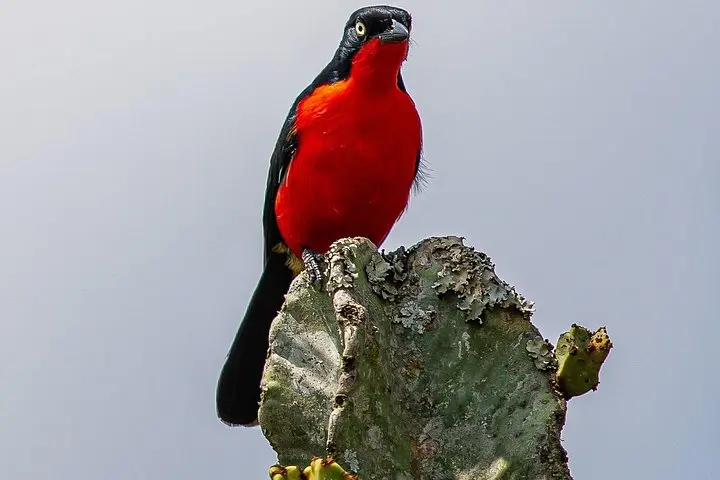
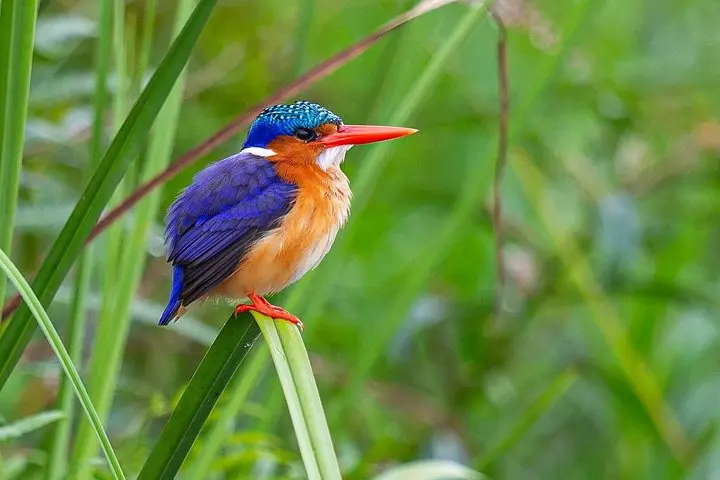
Dawn breaks over Mabamba’s papyrus channels and the marsh answers in calls: a Shoebill holds still like a stone, a kingfisher slices past, and the boat driver eases forward so the birding guide can whisper directions.
Verified experiences and guided adventures in the surrounding area.
Operated by Wide Birding Eco Tours · Kampala, Central Region
Dawn breaks over Mabamba’s papyrus channels and the marsh answers in calls: a Shoebill holds still like a stone, a kingfisher slices past, and the boat driver eases forward so the birding guide can whisper directions.
This seven-day circuit pushes through Uganda’s western spine—from lowland wetlands at Lake Victoria’s edge up into the high, mossy slopes of Bwindi Impenetrable Forest and down the savanna plains of Queen Elizabeth National Park. Geology here shifts fast: papyrus-lined swamps give way to rolling miombo woodlands and then to the volcanic ridges and steep valleys that shelter Albertine Rift endemics. Local Batwa and Bakiga communities share cultural threads—forest stewardship, forest-use folklore and smallholder agriculture—that shape how wildlife is encountered.
Expect focused birding walks (early starts, slow-paced listening), open-vehicle game drives across Kasenyi and Ishasha, and a calm boat trip on Kazinga Channel where waterbirds and hippos claim the shoreline. Bwindi’s trails are steep, muddy and shaded at 1,100–2,600 m elevation; birding there targets species found nowhere else in Uganda. Guides provide site expertise and bird lists; gorilla tracking requires separate permits and a degree of physical fitness.
Practical guidance: book gorilla permits and the tour months ahead, pack closed hiking shoes and a waterproof layer, carry quality binoculars with a sharp close-focus, and plan early mornings for the best light and bird activity. Hydrate, wear insect repellent, and be ready for sudden weather shifts—this is tropical Africa, where the land keeps you alert and the birds reward patience.
Yes—gorilla permits are required for tracking and are issued by Uganda Wildlife Authority; book them well in advance through your operator.
The itinerary lists overnight stays in safari lodges and eco-camps; specific lodge standards vary by stop but are generally mid-to-upscale with local dining included.
Consult a travel clinic; malaria prophylaxis is commonly recommended for Uganda and routine vaccinations should be up to date.
Tracks range from short, gentle walks to steep, multi-hour hikes; a moderate fitness level helps, and porters can be hired in some areas to carry extra weight.
Wide Birding Eco Tours operates guided outdoor trips and adventures with an emphasis on safety, stewardship, and memorable experiences.
Dawn breaks over Mabamba’s papyrus channels and the marsh answers in calls: a Shoebill holds still like a stone, a kingfisher slices past, and the boat driver eases forward so the birding guide can whisper directions.
Dawn breaks over Mabamba’s papyrus channels and the marsh answers in calls: a Shoebill holds still like a stone, a kingfisher slices past, and the boat driver eases forward so the birding guide can whisper directions.
This seven-day circuit pushes through Uganda’s western spine—from lowland wetlands at Lake Victoria’s edge up into the high, mossy slopes of Bwindi Impenetrable Forest and down the savanna plains of Queen Elizabeth National Park. Geology here shifts fast: papyrus-lined swamps give way to rolling miombo woodlands and then to the volcanic ridges and steep valleys that shelter Albertine Rift endemics. Local Batwa and Bakiga communities share cultural threads—forest stewardship, forest-use folklore and smallholder agriculture—that shape how wildlife is encountered.
Expect focused birding walks (early starts, slow-paced listening), open-vehicle game drives across Kasenyi and Ishasha, and a calm boat trip on Kazinga Channel where waterbirds and hippos claim the shoreline. Bwindi’s trails are steep, muddy and shaded at 1,100–2,600 m elevation; birding there targets species found nowhere else in Uganda. Guides provide site expertise and bird lists; gorilla tracking requires separate permits and a degree of physical fitness.
Practical guidance: book gorilla permits and the tour months ahead, pack closed hiking shoes and a waterproof layer, carry quality binoculars with a sharp close-focus, and plan early mornings for the best light and bird activity. Hydrate, wear insect repellent, and be ready for sudden weather shifts—this is tropical Africa, where the land keeps you alert and the birds reward patience.