THE ADVENTURE COLLECTIVE® · Independent discovery and booking for outdoor travel

A steep, direct line up Kilimanjaro’s southern face, the Umbwe Route offers solitude, dramatic terrain changes, and a hard-earned summit at Uhuru Peak. This seven-day expedition suits experienced trekkers prepared for early steep gains and a long midnight ascent.
A steep, direct line up Kilimanjaro’s southern face, the Umbwe Route offers solitude, dramatic terrain changes, and a hard-earned summit at Uhuru Peak. This seven-day expedition suits experienced trekkers prepared for early steep gains and a long midnight ascent.
The morning begins at Umbwe Gate with the rainforest thick and alive: dew collects on giant lobelia leaves, and tree trunks drape in moss like the mountain is still catching its breath. The Umbwe route wastes no time — the trail climbs hard and direct, swallowing distance in steep switchbacks that leave most crowds far behind. By late afternoon the canopy opens to heather and moorland; you realize the mountain is changing beneath you, each zone lending a new texture to the climb.
Verified experiences and guided adventures in the surrounding area.
Operated by Kilimanjaro Heroes Adventures · Moshi, Kilimanjaro Region
The morning begins at Umbwe Gate with the rainforest thick and alive: dew collects on giant lobelia leaves, and tree trunks drape in moss like the mountain is still catching its breath. The Umbwe route wastes no time — the trail climbs hard and direct, swallowing distance in steep switchbacks that leave most crowds far behind. By late afternoon the canopy opens to heather and moorland; you realize the mountain is changing beneath you, each zone lending a new texture to the climb.
Umbwe is an older, less-traveled path on Kilimanjaro’s southern flank, favored by hikers who want raw solitude and dramatic, close-up views of Kibo’s ice caps. Geologically, Kilimanjaro is a dormant stratovolcano made of three cones; Umbwe pushes you straight from montane forest into alpine desert, tracing the vertical bands carved by climate and time. Culturally the trail crosses land of the Chagga people — terraces cling to lower slopes and coffee trees perfume the air around Moshi, the usual jumping-off town.
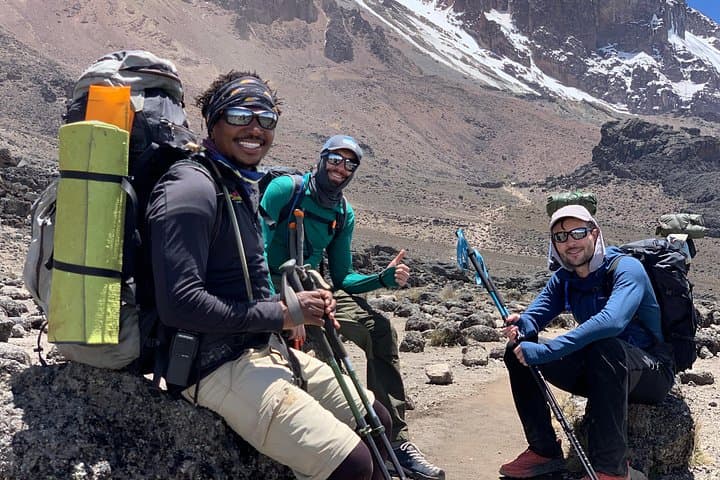
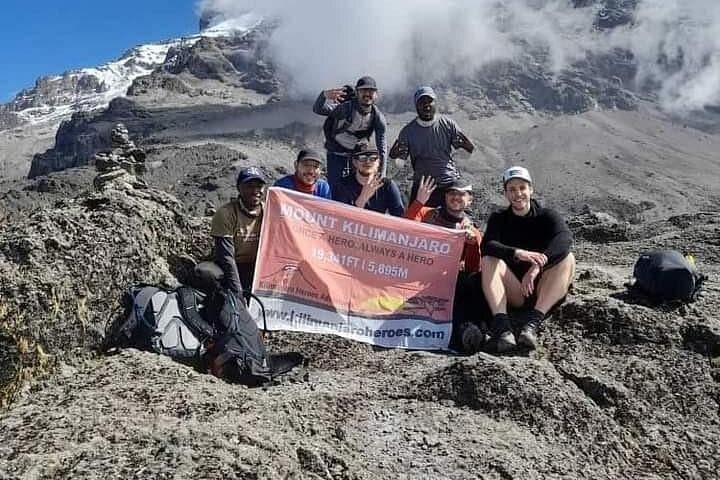
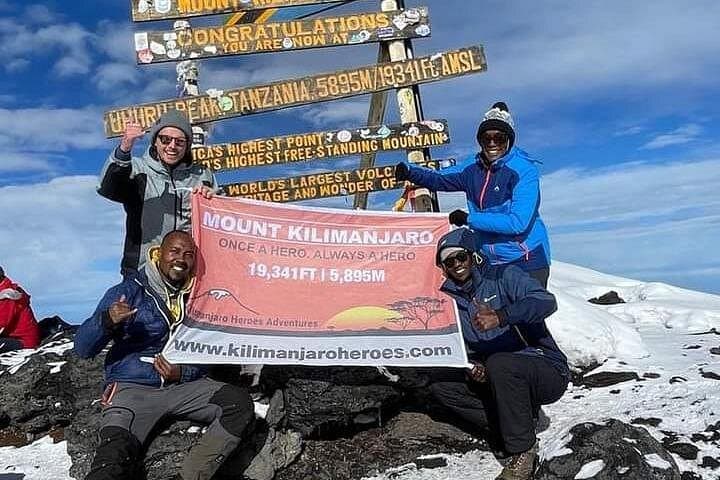
Over seven days the itinerary moves from 1,600m at the gate up to Uhuru Peak at 5,895m. Expect short, steep days at first, with a long summit night that leaves you at the crater rim for sunrise. Notable moments: the quiet Umbwe Cave campsite, the exposed scramble up Barranco Wall (acclimatization opportunity rather than technical rock climbing), and the lunar alpine desert of Barafu as you prepare for the midnight push to Stella Point and the true summit.
Practical matters matter here: fitness and acclimatization are the deciding factors for success. Carry layered clothing for dramatic temperature swings, and plan slow, steady paces on scree to save energy. Hydration and calories are constant — guides typically provide meals and tents, and the operator includes emergency oxygen and a portable chemical toilet. Permits and park fees are mandatory; book pickups from Kilimanjaro International and a pre-climb night in Moshi to rest and finalize kit.
Timing: the dry months (June–October) give the best summit weather; avoid the long rains (March–May) if possible. Footwear should be stiff-soled and broken in, trekking poles recommended for balance on steep scree. Expect wildlife in the lower forest (black-and-white colobus and blue monkeys) and striking alpine plants like giant groundsels higher up.
Umbwe rewards those who want fewer tents on the plateau and a steep, honest climb. It’s not the easiest line to the roof of Africa, but for fit hikers with a taste for solitude it delivers sharp views, hard-earned elevation, and an intimate relationship with Kilimanjaro’s many climatic faces.
Umbwe is steeper and more direct early on than routes like Marangu or Lemosho; it’s shorter with harder initial gains, so it’s generally considered more challenging but offers greater solitude.
The itinerary reaches Uhuru Peak at 5,895m, with the summit push starting around midnight from Barafu to reach Stella Point and Uhuru around sunrise.
No technical climbing gear is required for Umbwe under normal conditions, but crampons and an ice axe may be useful if there is significant snow—your guide will advise.
Permits are required and are typically handled by the operator; confirm when booking what’s covered and ensure your vendor provides official park permits.
Summit success depends on fitness and acclimatization; Umbwe’s steep profile can reduce success for those who ascend too quickly—follow your guide’s pacing plan for the best odds.
Expect montane forest species like colobus monkeys and blue monkeys in lower zones; larger wildlife is uncommon on upper slopes.
Kilimanjaro Heroes Adventures operates guided outdoor trips and adventures with an emphasis on safety, stewardship, and memorable experiences.
The morning begins at Umbwe Gate with the rainforest thick and alive: dew collects on giant lobelia leaves, and tree trunks drape in moss like the mountain is still catching its breath. The Umbwe route wastes no time — the trail climbs hard and direct, swallowing distance in steep switchbacks that leave most crowds far behind. By late afternoon the canopy opens to heather and moorland; you realize the mountain is changing beneath you, each zone lending a new texture to the climb.
The morning begins at Umbwe Gate with the rainforest thick and alive: dew collects on giant lobelia leaves, and tree trunks drape in moss like the mountain is still catching its breath. The Umbwe route wastes no time — the trail climbs hard and direct, swallowing distance in steep switchbacks that leave most crowds far behind. By late afternoon the canopy opens to heather and moorland; you realize the mountain is changing beneath you, each zone lending a new texture to the climb.
Umbwe is an older, less-traveled path on Kilimanjaro’s southern flank, favored by hikers who want raw solitude and dramatic, close-up views of Kibo’s ice caps. Geologically, Kilimanjaro is a dormant stratovolcano made of three cones; Umbwe pushes you straight from montane forest into alpine desert, tracing the vertical bands carved by climate and time. Culturally the trail crosses land of the Chagga people — terraces cling to lower slopes and coffee trees perfume the air around Moshi, the usual jumping-off town.
Over seven days the itinerary moves from 1,600m at the gate up to Uhuru Peak at 5,895m. Expect short, steep days at first, with a long summit night that leaves you at the crater rim for sunrise. Notable moments: the quiet Umbwe Cave campsite, the exposed scramble up Barranco Wall (acclimatization opportunity rather than technical rock climbing), and the lunar alpine desert of Barafu as you prepare for the midnight push to Stella Point and the true summit.
Practical matters matter here: fitness and acclimatization are the deciding factors for success. Carry layered clothing for dramatic temperature swings, and plan slow, steady paces on scree to save energy. Hydration and calories are constant — guides typically provide meals and tents, and the operator includes emergency oxygen and a portable chemical toilet. Permits and park fees are mandatory; book pickups from Kilimanjaro International and a pre-climb night in Moshi to rest and finalize kit.
Timing: the dry months (June–October) give the best summit weather; avoid the long rains (March–May) if possible. Footwear should be stiff-soled and broken in, trekking poles recommended for balance on steep scree. Expect wildlife in the lower forest (black-and-white colobus and blue monkeys) and striking alpine plants like giant groundsels higher up.
Umbwe rewards those who want fewer tents on the plateau and a steep, honest climb. It’s not the easiest line to the roof of Africa, but for fit hikers with a taste for solitude it delivers sharp views, hard-earned elevation, and an intimate relationship with Kilimanjaro’s many climatic faces.