THE ADVENTURE COLLECTIVE® · Independent discovery and booking for outdoor travel

Traverse remote valleys, village homestays and petroglyph sites on a weeklong trek through Uzbekistan’s Nuratau Mountains. This guided village-to-village route blends full-day hikes with cultural immersion and simple mountain hospitality.
Traverse remote valleys, village homestays and petroglyph sites on a weeklong trek through Uzbekistan’s Nuratau Mountains. This guided village-to-village route blends full-day hikes with cultural immersion and simple mountain hospitality.
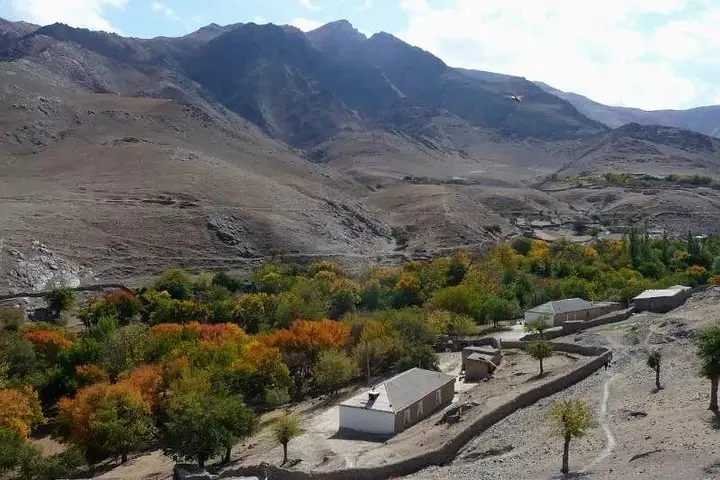
The trail opens before sunrise as minivans slip away from Bukhara and the road narrows into scrub and stone; by midday the cathedral hush of the Nuratau range surrounds small homesteads and terraced fields. Walkers trade city noise for the measured rhythm of footfalls, donkeys, and village life—tea kettles hiss and women weave as the group threads ancient tracks.
Verified experiences and guided adventures in the surrounding area.
Operated by Nuratau Travel · Sentob, Navoiy Region
The trail opens before sunrise as minivans slip away from Bukhara and the road narrows into scrub and stone; by midday the cathedral hush of the Nuratau range surrounds small homesteads and terraced fields. Walkers trade city noise for the measured rhythm of footfalls, donkeys, and village life—tea kettles hiss and women weave as the group threads ancient tracks.
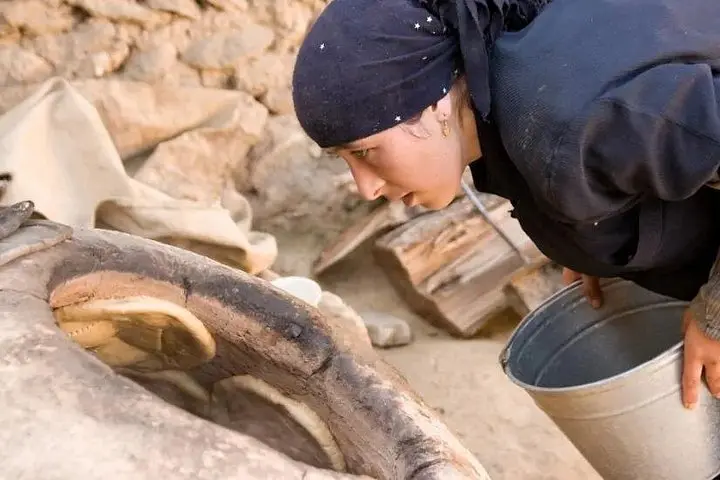
Geology here is honest: modest peaks of weathered sandstone and limestone, folded during the region’s uplift, create plateaus, narrow valleys and a scattering of seasonal lakes. The area holds human traces from caravan routes to petroglyph panels and crumbling fortifications that hint at Silk Road-era movement and Mongol-era outposts. Local culture remains tactile—carpet-weaving, kurpacha mattress making and irrigation channels that still shape field patterns.
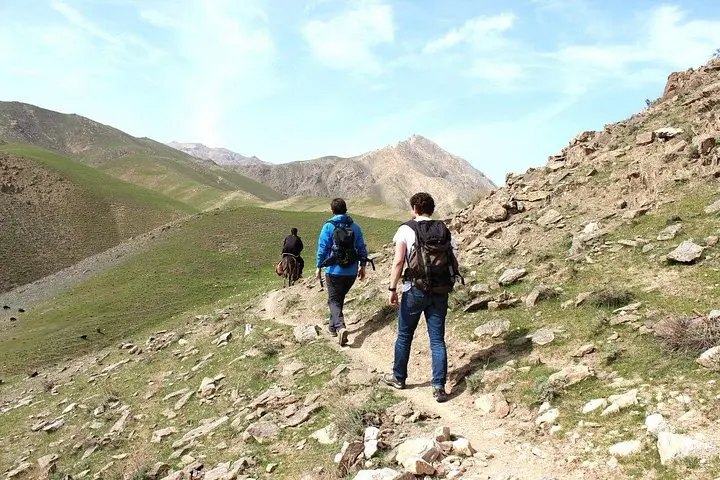
Practically, this is a guided, multi-day trek best suited to hikers who can manage consecutive long days: expect daily distances from 11–22 km, rocky switchbacks, and full-day outings of 5–10 hours. Nights are in family-run homestays with simple beds, communal meals and basic facilities; luggage is moved by vehicle or pack animals, while you carry a daypack. Weather shifts quickly across seasons, so layer, protect from sun and carry water (organizers provide sealed mineral water but refill options are limited).
Pace your days, respect village routines, and be ready for steady uphill sections to passes and quiet plateaus by small lakes. The reward is tangible—vast sky, surprising biodiversity, village hospitality, and the kind of landscape that asks you to slow down and look closely.
Daily distances range from about 11–22 km with 5–10 hour days on uneven, sometimes steep trails—good baseline fitness and previous multi-hour hikes are recommended.
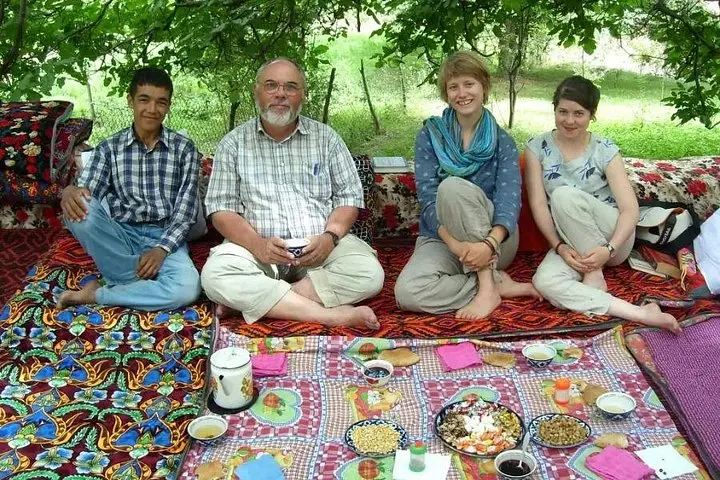
Homestays are family-run with simple private or shared rooms, hearty home-cooked meals, and basic bathrooms; expect warm hospitality and communal dining.
Yes—larger luggage is transported by vehicle or pack animals between villages; bring a small daypack for items needed during hikes.
Spring and fall offer the most comfortable temperatures and wildflower or harvest scenery; summers can be hot and winters are cold with limited access.
Nuratau Travel operates guided outdoor trips and adventures with an emphasis on safety, stewardship, and memorable experiences.
The trail opens before sunrise as minivans slip away from Bukhara and the road narrows into scrub and stone; by midday the cathedral hush of the Nuratau range surrounds small homesteads and terraced fields. Walkers trade city noise for the measured rhythm of footfalls, donkeys, and village life—tea kettles hiss and women weave as the group threads ancient tracks.
The trail opens before sunrise as minivans slip away from Bukhara and the road narrows into scrub and stone; by midday the cathedral hush of the Nuratau range surrounds small homesteads and terraced fields. Walkers trade city noise for the measured rhythm of footfalls, donkeys, and village life—tea kettles hiss and women weave as the group threads ancient tracks.
Geology here is honest: modest peaks of weathered sandstone and limestone, folded during the region’s uplift, create plateaus, narrow valleys and a scattering of seasonal lakes. The area holds human traces from caravan routes to petroglyph panels and crumbling fortifications that hint at Silk Road-era movement and Mongol-era outposts. Local culture remains tactile—carpet-weaving, kurpacha mattress making and irrigation channels that still shape field patterns.
Practically, this is a guided, multi-day trek best suited to hikers who can manage consecutive long days: expect daily distances from 11–22 km, rocky switchbacks, and full-day outings of 5–10 hours. Nights are in family-run homestays with simple beds, communal meals and basic facilities; luggage is moved by vehicle or pack animals, while you carry a daypack. Weather shifts quickly across seasons, so layer, protect from sun and carry water (organizers provide sealed mineral water but refill options are limited).
Pace your days, respect village routines, and be ready for steady uphill sections to passes and quiet plateaus by small lakes. The reward is tangible—vast sky, surprising biodiversity, village hospitality, and the kind of landscape that asks you to slow down and look closely.