THE ADVENTURE COLLECTIVE® · Independent discovery and booking for outdoor travel

A seven-day circuit through Xinjiang that combines Kashgar’s living Silk Road culture with high Pamir plains, Turpan’s furnace-like canyons, and the alpine calm of Heavenly Lake. Expect long drives, vivid markets, and a mix of high-altitude steppe and desert oases.
A seven-day circuit through Xinjiang that combines Kashgar’s living Silk Road culture with high Pamir plains, Turpan’s furnace-like canyons, and the alpine calm of Heavenly Lake. Expect long drives, vivid markets, and a mix of high-altitude steppe and desert oases.
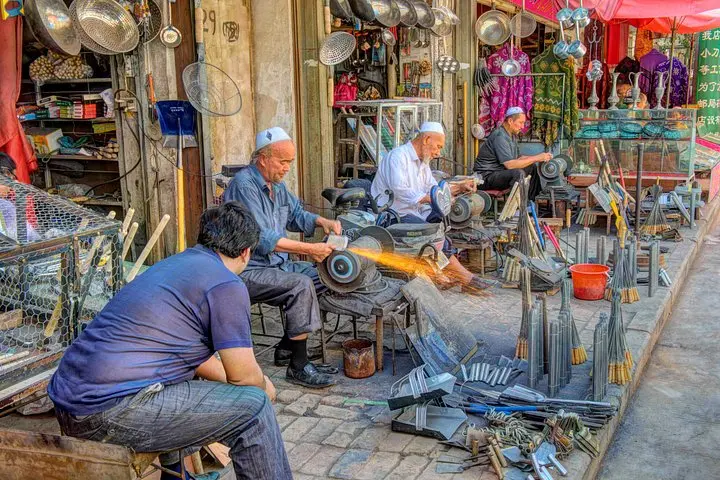
You step out into Kashgar’s morning light and the city greets you with a market clamor — bolts of cloth, the clink of knives, and the low murmur of bargaining. The first hours here set the tone: Central Asian streets, clay-brick alleys, and a rhythm shaped by caravans long gone.
Verified experiences and guided adventures in the surrounding area.
Operated by China Silk Road Travel · Kashgar, Xinjiang
You step out into Kashgar’s morning light and the city greets you with a market clamor — bolts of cloth, the clink of knives, and the low murmur of bargaining. The first hours here set the tone: Central Asian streets, clay-brick alleys, and a rhythm shaped by caravans long gone.
This seven-day loop threads Silk Road history with stark geology. From Kashgar’s Old Town and the Id Kah Mosque you drive along the Karakoram Highway onto the Pamir Plateau, covering stretches of roughly 320 km to Karakul Lake where herds and Kyrgyz camps share a high-altitude plain (Karakul sits around 3,600 m). Later you’ll swing east to Turpan’s dry basin (around −154 m) and the red ridges of Flaming Mountain, then north to Urumqi’s Heavenly Lake and Maya Mountain (cable car available).
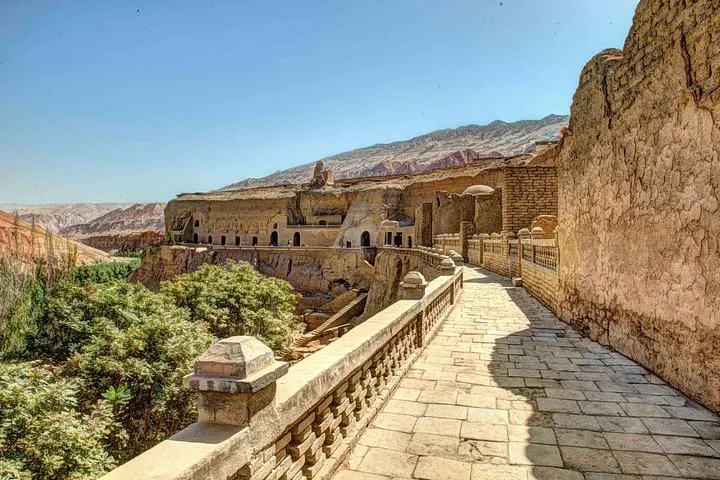
Culture is intimate: a Uyghur home visit, mosque rituals, bazaars dense with spices and handcrafts. Archaeology punctuates the route — Jiaohe ruins and the thousand-year stone settlements of Tuyoq reveal irrigation and oasis life that sustained Silk Road towns.
Practical edge: expect long drives (multiple 200–320 km days) on mountain and desert roads, so plan for motion comfort, layered clothing for big temperature swings, and at least one day to acclimatize before high passes. Bring a physical passport and any required Chinese visa support; entrance fees and domestic flight from Kashgar to Urumqi are included. Hydrate, protect skin in Turpan’s sun, and carry small bills for market bargaining. This itinerary balances cultural depth with landscapes that push from alpine stillness to scorching canyon heat.
Yes — travelers must secure a Chinese visa in advance; the operator provides a visa support letter to aid application but not the visa itself.
Airfare from Kashgar to Urumqi is included as stated in the itinerary, but international flights are not.
The tour notes stroller access in some areas, but there are long drives and uneven surfaces; it’s not recommended for travelers with serious mobility or cardiovascular issues.
Tipping is discretionary; the operator suggests roughly US$6–8 per traveler per day as a guideline.
China Silk Road Travel operates guided outdoor trips and adventures with an emphasis on safety, stewardship, and memorable experiences.
You step out into Kashgar’s morning light and the city greets you with a market clamor — bolts of cloth, the clink of knives, and the low murmur of bargaining. The first hours here set the tone: Central Asian streets, clay-brick alleys, and a rhythm shaped by caravans long gone.
You step out into Kashgar’s morning light and the city greets you with a market clamor — bolts of cloth, the clink of knives, and the low murmur of bargaining. The first hours here set the tone: Central Asian streets, clay-brick alleys, and a rhythm shaped by caravans long gone.
This seven-day loop threads Silk Road history with stark geology. From Kashgar’s Old Town and the Id Kah Mosque you drive along the Karakoram Highway onto the Pamir Plateau, covering stretches of roughly 320 km to Karakul Lake where herds and Kyrgyz camps share a high-altitude plain (Karakul sits around 3,600 m). Later you’ll swing east to Turpan’s dry basin (around −154 m) and the red ridges of Flaming Mountain, then north to Urumqi’s Heavenly Lake and Maya Mountain (cable car available).
Culture is intimate: a Uyghur home visit, mosque rituals, bazaars dense with spices and handcrafts. Archaeology punctuates the route — Jiaohe ruins and the thousand-year stone settlements of Tuyoq reveal irrigation and oasis life that sustained Silk Road towns.
Practical edge: expect long drives (multiple 200–320 km days) on mountain and desert roads, so plan for motion comfort, layered clothing for big temperature swings, and at least one day to acclimatize before high passes. Bring a physical passport and any required Chinese visa support; entrance fees and domestic flight from Kashgar to Urumqi are included. Hydrate, protect skin in Turpan’s sun, and carry small bills for market bargaining. This itinerary balances cultural depth with landscapes that push from alpine stillness to scorching canyon heat.