THE ADVENTURE COLLECTIVE® · Independent discovery and booking for outdoor travel

Split your week between Zanzibar’s beaches and Selous Game Reserve’s sweeping savannahs. Morning kitesurfing and snorkeling give way to afternoon game drives where elephants and lions roam—this itinerary pairs barefoot island life with classic African safari.
Split your week between Zanzibar’s beaches and Selous Game Reserve’s sweeping savannahs. Morning kitesurfing and snorkeling give way to afternoon game drives where elephants and lions roam—this itinerary pairs barefoot island life with classic African safari.
The day begins with salt on your lips and a low sun burning the ocean’s spine as a small plane lifts you from Zanzibar’s turquoise coast toward the sweeping plains of Selous (Nyerere National Park). On the beach you move slowly — toes sinking into fine, pale sand — and a few hours later the landscape has shifted to tall grasses and river channels where elephants pick their way through tamarind and acacia.
Verified experiences and guided adventures in the surrounding area.
Operated by Beyond Africa Safaris (Pty)Ltd · Stone Town, Zanzibar
The day begins with salt on your lips and a low sun burning the ocean’s spine as a small plane lifts you from Zanzibar’s turquoise coast toward the sweeping plains of Selous (Nyerere National Park). On the beach you move slowly — toes sinking into fine, pale sand — and a few hours later the landscape has shifted to tall grasses and river channels where elephants pick their way through tamarind and acacia.
Stone Town’s carved doors and trading houses tell of centuries of Omani, Persian and Swahili exchange; the island’s geology is coral-derived limestone, exposed in tidal flats and mangrove channels that shelter juvenile fish and hawksbill turtles. Selous, by contrast, is a river-carved savannah with seasonal floodplains that shape animal movement and the timing of game sightings.
Culturally, Zanzibar balances Muslim traditions with coastal seafood cuisine—expect spiced pilau, coconut-based stews and friendly market haggling. Conservation in Nyerere focuses on anti-poaching and community-run lodges; your visit supports local rangers and tourism-related livelihoods.
Practicalities: airports and short internal flights connect the two halves of this trip, and much of the wildlife viewing is by guided game drive or boat along the Rufiji. Pack reef-safe sunscreen, a lightweight rain layer, binoculars and medications for motion or malaria where recommended. Plan morning and late-afternoon drives for best light and animal activity; mid-day is ideal for snorkeling or kitesurf lessons back on the island. This itinerary trades adrenaline for presence—wildlife encounters, ocean clarity and quiet nights under stars are the rewards.
Consult a travel clinic before departure—vaccinations and malaria prophylaxis recommendations depend on your origin and health history; routine vaccines and yellow fever requirements may apply.
June–October offers cooler, drier conditions and excellent game viewing; November–February is warmer and good for diving and beaches, while March–May sees short and long rains that can affect travel.
This itinerary includes scheduled internal flights and ground transfers as described; confirm baggage limits and arrival times when booking.
Yes—lodges and operators typically accommodate vegetarian and halal diets; notify dietary needs at booking and again on arrival.
Beyond Africa Safaris (Pty)Ltd operates guided outdoor trips and adventures with an emphasis on safety, stewardship, and memorable experiences.
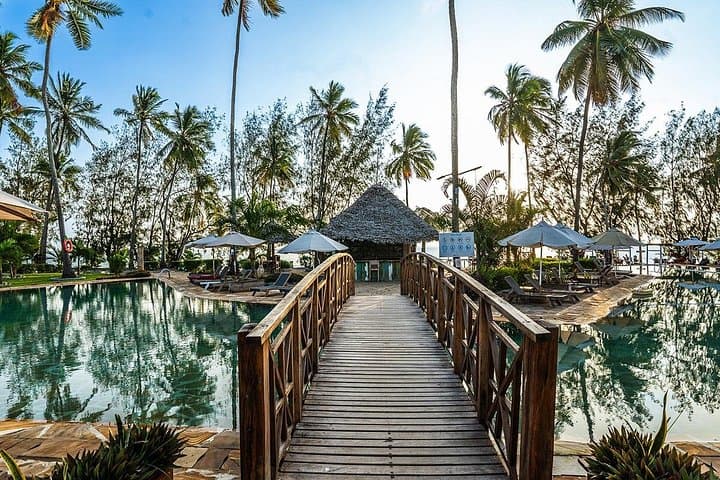


The day begins with salt on your lips and a low sun burning the ocean’s spine as a small plane lifts you from Zanzibar’s turquoise coast toward the sweeping plains of Selous (Nyerere National Park). On the beach you move slowly — toes sinking into fine, pale sand — and a few hours later the landscape has shifted to tall grasses and river channels where elephants pick their way through tamarind and acacia.
The day begins with salt on your lips and a low sun burning the ocean’s spine as a small plane lifts you from Zanzibar’s turquoise coast toward the sweeping plains of Selous (Nyerere National Park). On the beach you move slowly — toes sinking into fine, pale sand — and a few hours later the landscape has shifted to tall grasses and river channels where elephants pick their way through tamarind and acacia.
Stone Town’s carved doors and trading houses tell of centuries of Omani, Persian and Swahili exchange; the island’s geology is coral-derived limestone, exposed in tidal flats and mangrove channels that shelter juvenile fish and hawksbill turtles. Selous, by contrast, is a river-carved savannah with seasonal floodplains that shape animal movement and the timing of game sightings.
Culturally, Zanzibar balances Muslim traditions with coastal seafood cuisine—expect spiced pilau, coconut-based stews and friendly market haggling. Conservation in Nyerere focuses on anti-poaching and community-run lodges; your visit supports local rangers and tourism-related livelihoods.
Practicalities: airports and short internal flights connect the two halves of this trip, and much of the wildlife viewing is by guided game drive or boat along the Rufiji. Pack reef-safe sunscreen, a lightweight rain layer, binoculars and medications for motion or malaria where recommended. Plan morning and late-afternoon drives for best light and animal activity; mid-day is ideal for snorkeling or kitesurf lessons back on the island. This itinerary trades adrenaline for presence—wildlife encounters, ocean clarity and quiet nights under stars are the rewards.