THE ADVENTURE COLLECTIVE® · Independent discovery and booking for outdoor travel

Float over Luxor at sunrise, sail the Nile past Kom Ombo and Philae, and stand before the monumental Abu Simbel—this 7-night package combines Cairo highlights, a multi-night Nile cruise, and a hot-air balloon experience. Expect early starts, overnight trains, and three nights on board with guided Egyptology visits.
Float over Luxor at sunrise, sail the Nile past Kom Ombo and Philae, and stand before the monumental Abu Simbel—this 7-night package combines Cairo highlights, a multi-night Nile cruise, and a hot-air balloon experience. Expect early starts, overnight trains, and three nights on board with guided Egyptology visits.
Before dawn the hot-air balloon lifts above Luxor and the Nile becomes a bright thread through ochre cliffs and palm-lined floodplain. Below, the deck of a traditional Nile cruise moves like a steady promise—temples sliding past in relief, fishing feluccas cutting the light, Nubian villages painting color into the riverbanks.
Verified experiences and guided adventures in the surrounding area.
Operated by Charming Egypt Tours · Cairo, Cairo Governorate
Before dawn the hot-air balloon lifts above Luxor and the Nile becomes a bright thread through ochre cliffs and palm-lined floodplain. Below, the deck of a traditional Nile cruise moves like a steady promise—temples sliding past in relief, fishing feluccas cutting the light, Nubian villages painting color into the riverbanks.
This itinerary threads Egypt’s major eras: the Old Kingdom pyramids outside Cairo, the New Kingdom tombs in the Valley of the Kings, Pharaonic temples at Karnak and Luxor, and the colossal rock-cut façades of Abu Simbel—relocated stone-by-stone in the 1960s when the Aswan High Dam raised Lake Nasser. Geologically, the Nile corridor is a narrow ribbon of alluvium between desert sandstone and granite, which made these fertile, strategically placed cities for millennia.
Culturally the trip mixes metropolitan Cairo’s bazaars with slow-rhythm river life; expect boat horns, market haggling, and strong coffee. Guides focus on Egyptology—hieroglyphic panels, burial chambers, and the modern history that protects them.
Practical guidance: travel light but bring sun protection, a small daypack, and cash for tips and markets. The program uses overnight trains and a 3-night cruise; be prepared for stairs, uneven stone, and early starts for optimal light and smaller crowds. Drink bottled or treated water, wear sturdy shoes for temple steps, and schedule museum visits in the cooler mid-morning. Book November–March for the most comfortable temperatures; summers are very hot. With basic mobility and curiosity, travelers will find a balance of spectacle and steady, manageable travel rhythm on this classic Nile route.
Yes—the itinerary lists a hot-air balloon trip as an included activity; timing is usually at sunrise and subject to weather and operational availability.
Hotel pickup and drop-off, as well as first-class overnight train tickets between Cairo, Aswan and Luxor, are included per the program details.
The package includes three nights aboard a Nile cruise with all meals on board for those nights.
The trip is rated for easy physical levels overall, but many sites have steps and uneven surfaces; travelers with limited mobility should check specific needs with the operator before booking.
Charming Egypt Tours operates guided outdoor trips and adventures with an emphasis on safety, stewardship, and memorable experiences.
Before dawn the hot-air balloon lifts above Luxor and the Nile becomes a bright thread through ochre cliffs and palm-lined floodplain. Below, the deck of a traditional Nile cruise moves like a steady promise—temples sliding past in relief, fishing feluccas cutting the light, Nubian villages painting color into the riverbanks.
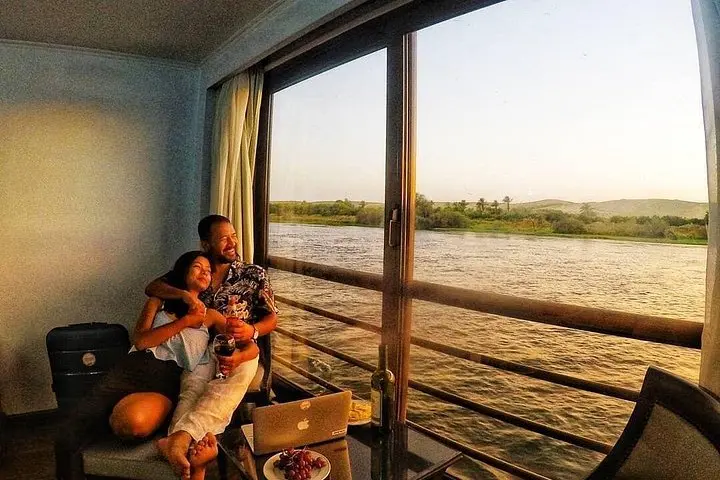
Before dawn the hot-air balloon lifts above Luxor and the Nile becomes a bright thread through ochre cliffs and palm-lined floodplain. Below, the deck of a traditional Nile cruise moves like a steady promise—temples sliding past in relief, fishing feluccas cutting the light, Nubian villages painting color into the riverbanks.
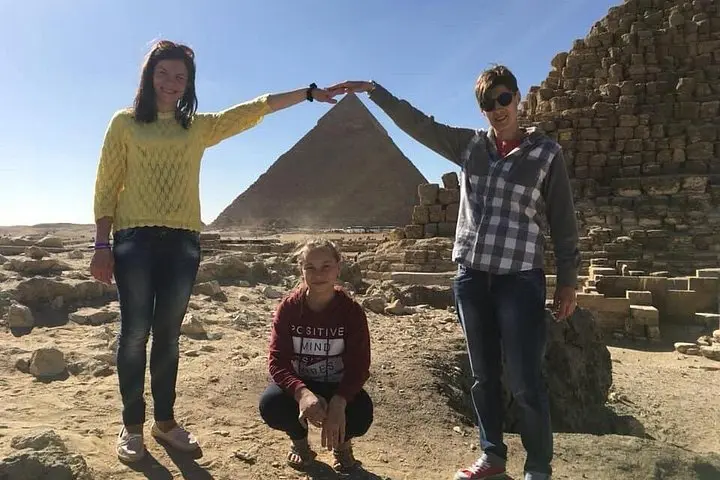
This itinerary threads Egypt’s major eras: the Old Kingdom pyramids outside Cairo, the New Kingdom tombs in the Valley of the Kings, Pharaonic temples at Karnak and Luxor, and the colossal rock-cut façades of Abu Simbel—relocated stone-by-stone in the 1960s when the Aswan High Dam raised Lake Nasser. Geologically, the Nile corridor is a narrow ribbon of alluvium between desert sandstone and granite, which made these fertile, strategically placed cities for millennia.
Culturally the trip mixes metropolitan Cairo’s bazaars with slow-rhythm river life; expect boat horns, market haggling, and strong coffee. Guides focus on Egyptology—hieroglyphic panels, burial chambers, and the modern history that protects them.
Practical guidance: travel light but bring sun protection, a small daypack, and cash for tips and markets. The program uses overnight trains and a 3-night cruise; be prepared for stairs, uneven stone, and early starts for optimal light and smaller crowds. Drink bottled or treated water, wear sturdy shoes for temple steps, and schedule museum visits in the cooler mid-morning. Book November–March for the most comfortable temperatures; summers are very hot. With basic mobility and curiosity, travelers will find a balance of spectacle and steady, manageable travel rhythm on this classic Nile route.