THE ADVENTURE COLLECTIVE® · Independent discovery and booking for outdoor travel

Sail the Nile from Luxor to Aswan on a seven-night cruise that combines major Pharaonic sites with Nubian culture and a hot-air balloon over Luxor. Expect early mornings, temple walks on uneven stone, and long riverside views.
Sail the Nile from Luxor to Aswan on a seven-night cruise that combines major Pharaonic sites with Nubian culture and a hot-air balloon over Luxor. Expect early mornings, temple walks on uneven stone, and long riverside views.
You push through the gangway at dawn and the Nile greets you like a slow-moving city — reed-lined banks, fishing feluccas, and low mud-brick villages sliding past as the ship hums south. The deck smells of strong coffee and diesel; felucca sails wink against an endless blue.
Verified experiences and guided adventures in the surrounding area.
Operated by Here Egypt Tours · Luxor, Luxor Governorate
You push through the gangway at dawn and the Nile greets you like a slow-moving city — reed-lined banks, fishing feluccas, and low mud-brick villages sliding past as the ship hums south. The deck smells of strong coffee and diesel; felucca sails wink against an endless blue.
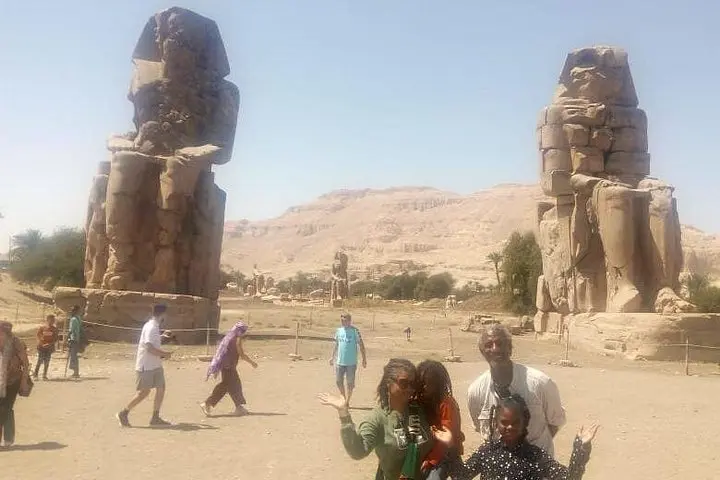
This itinerary threads together Pharaonic high points: Luxor’s East and West Banks (Karnak, Valley of the Kings, Hatshepsut), the temple pairs at Edfu and Kom Ombo, the island sanctuary of Philae and the towering façades of Abu Simbel. Geologically, the river carves a green corridor through arid desert, creating alluvial soil that has supported civilization here for millennia. Culturally, expect Nubian markets in Aswan, horse-and-carriage rides in Edfu, and the layered influence of Pharaonic, Greek and Roman histories.
Practicalities matter: early starts for temple visits and a predawn transfer for Abu Simbel are typical; the hot-air balloon flight over Luxor is optional and weather-dependent. Dress in breathable, sun-protective layers, bring sturdy shoes for uneven temple stones, and carry a refillable water bottle — hydration is non-negotiable.
Plan for sun, dust, and crowds: visit major sites early or late to avoid heat and tour groups. Cash (Egyptian pound) is useful for tips and market purchases; credit cards work at larger vendors. Mobility-friendly options exist, but some temple approaches are stepped or uneven. Finally, move slowly — the Nile invites a softer pace; watch villages and river life slide by and let the river set the rhythm of your days.
Hot-air balloon flights are typically included in the tour listing but can be weather-dependent; confirm booking details and timing with the operator.
Yes — most travelers need a valid passport and, depending on nationality, a visa for Egypt; check requirements and passport validity before travel.
Some transfers and ship areas are wheelchair accessible, but temple approaches often have steps and uneven ground; advise operator of mobility needs ahead of time.
Tipping (baksheesh) is customary for guides, drivers and crew; carry small denominations of Egyptian pounds for tips across multiple services.
Here Egypt Tours operates guided outdoor trips and adventures with an emphasis on safety, stewardship, and memorable experiences.
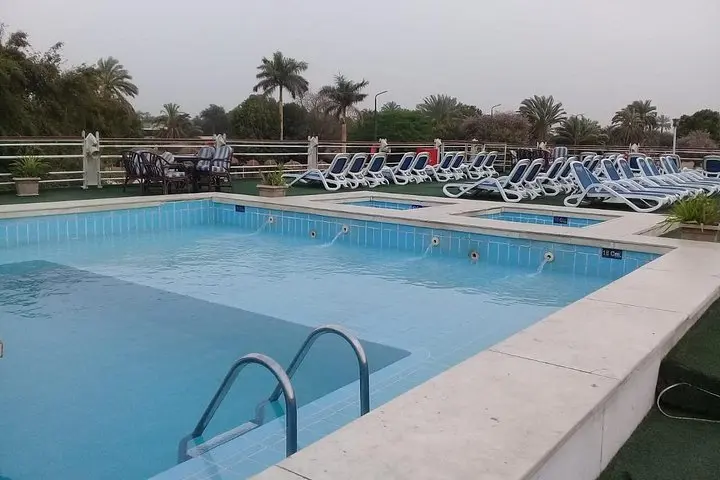
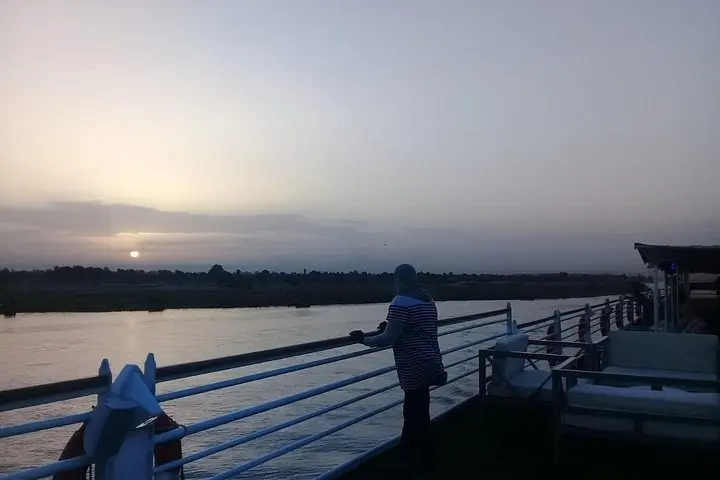
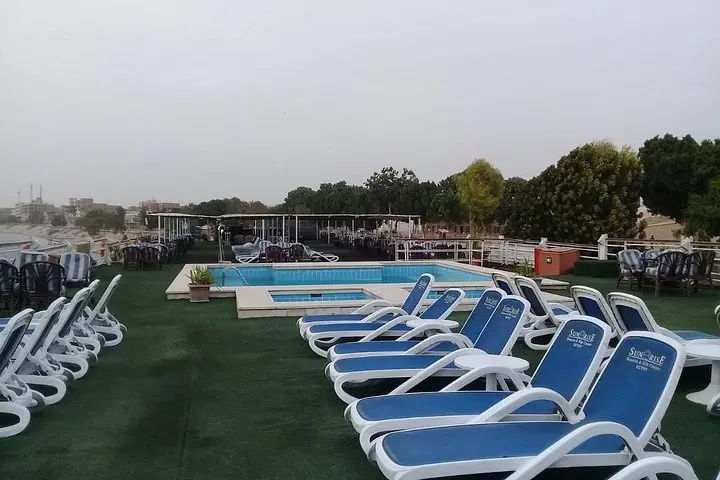
You push through the gangway at dawn and the Nile greets you like a slow-moving city — reed-lined banks, fishing feluccas, and low mud-brick villages sliding past as the ship hums south. The deck smells of strong coffee and diesel; felucca sails wink against an endless blue.
You push through the gangway at dawn and the Nile greets you like a slow-moving city — reed-lined banks, fishing feluccas, and low mud-brick villages sliding past as the ship hums south. The deck smells of strong coffee and diesel; felucca sails wink against an endless blue.
This itinerary threads together Pharaonic high points: Luxor’s East and West Banks (Karnak, Valley of the Kings, Hatshepsut), the temple pairs at Edfu and Kom Ombo, the island sanctuary of Philae and the towering façades of Abu Simbel. Geologically, the river carves a green corridor through arid desert, creating alluvial soil that has supported civilization here for millennia. Culturally, expect Nubian markets in Aswan, horse-and-carriage rides in Edfu, and the layered influence of Pharaonic, Greek and Roman histories.
Practicalities matter: early starts for temple visits and a predawn transfer for Abu Simbel are typical; the hot-air balloon flight over Luxor is optional and weather-dependent. Dress in breathable, sun-protective layers, bring sturdy shoes for uneven temple stones, and carry a refillable water bottle — hydration is non-negotiable.
Plan for sun, dust, and crowds: visit major sites early or late to avoid heat and tour groups. Cash (Egyptian pound) is useful for tips and market purchases; credit cards work at larger vendors. Mobility-friendly options exist, but some temple approaches are stepped or uneven. Finally, move slowly — the Nile invites a softer pace; watch villages and river life slide by and let the river set the rhythm of your days.