THE ADVENTURE COLLECTIVE® · Independent discovery and booking for outdoor travel

Spend seven nights on the Royal Princess moving between Luxor and Aswan, waking to temples and riverside villages. This cruise blends relaxed river travel with full-day guided visits to Egypt’s most iconic archaeological sites.
Spend seven nights on the Royal Princess moving between Luxor and Aswan, waking to temples and riverside villages. This cruise blends relaxed river travel with full-day guided visits to Egypt’s most iconic archaeological sites.
The sun lifts off the river in a thin gold strip and the Nile answers by sliding cool across the hull. Onboard the Royal Princess, mornings begin with steaming coffee on the deck while the riverbanks—farmed green strips, mud-brick villages, and punctuated temple roofs—slowly pull into view. This is a trip built around movement: gentle hours on water, short excursions to monumental ruins, and evenings spent under a pin-pricked desert sky.
Verified experiences and guided adventures in the surrounding area.
The sun lifts off the river in a thin gold strip and the Nile answers by sliding cool across the hull. Onboard the Royal Princess, mornings begin with steaming coffee on the deck while the riverbanks—farmed green strips, mud-brick villages, and punctuated temple roofs—slowly pull into view. This is a trip built around movement: gentle hours on water, short excursions to monumental ruins, and evenings spent under a pin-pricked desert sky.
Between Luxor and Aswan the landscape reads like layered history. Pharaohs carved their ambitions into sandstone at Karnak and Luxor; Greco-Roman techniques show in Edfu and Kom Ombo; closer to Aswan basalt quarries and granite outcrops tell a geological story of ancient volcanism and riverine sculpting. Culturally, the cruise passes Nubian-influenced towns where local crafts and food reveal a living riverside tradition.
Practically, expect day trips to major sites, guided temple tours, and time for short village walks or felucca sails. River conditions are calm—navigation is steady though occasional locks and bridges are part of the rhythm. Weather is typically hot and dry; mornings and evenings cool noticeably. Travelers should plan for sun protection, modest dress at religious sites, and some mobility to step on and off small tenders at quieter docks.
For those who want a travel-lite adventure that still connects to serious archaeology, a week on the Nile combines low-impact movement with high-impact sights: you watch civilization pass by as the river dares you to look closer.
Operators typically include transfer by road to Luxor where the cruise begins; expect a bus transfer of several hours or a pre-arranged private transfer.
Most Nile cruises include full board meals and daily guided shore excursions to major sites—check the specific itinerary for included tours and optional extras.
Yes—spacing of activities and calm river travel make it family-friendly, but supervise children at docks and temple steps and check age policies for specific excursions.
Most travelers need an Egyptian visa and routine vaccinations; check current entry requirements and consult a travel clinic for health advice before travel.
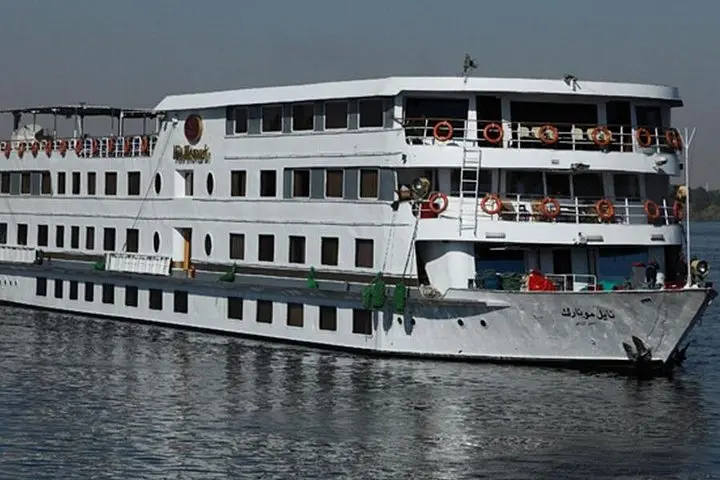
The sun lifts off the river in a thin gold strip and the Nile answers by sliding cool across the hull. Onboard the Royal Princess, mornings begin with steaming coffee on the deck while the riverbanks—farmed green strips, mud-brick villages, and punctuated temple roofs—slowly pull into view. This is a trip built around movement: gentle hours on water, short excursions to monumental ruins, and evenings spent under a pin-pricked desert sky.
The sun lifts off the river in a thin gold strip and the Nile answers by sliding cool across the hull. Onboard the Royal Princess, mornings begin with steaming coffee on the deck while the riverbanks—farmed green strips, mud-brick villages, and punctuated temple roofs—slowly pull into view. This is a trip built around movement: gentle hours on water, short excursions to monumental ruins, and evenings spent under a pin-pricked desert sky.
Between Luxor and Aswan the landscape reads like layered history. Pharaohs carved their ambitions into sandstone at Karnak and Luxor; Greco-Roman techniques show in Edfu and Kom Ombo; closer to Aswan basalt quarries and granite outcrops tell a geological story of ancient volcanism and riverine sculpting. Culturally, the cruise passes Nubian-influenced towns where local crafts and food reveal a living riverside tradition.
Practically, expect day trips to major sites, guided temple tours, and time for short village walks or felucca sails. River conditions are calm—navigation is steady though occasional locks and bridges are part of the rhythm. Weather is typically hot and dry; mornings and evenings cool noticeably. Travelers should plan for sun protection, modest dress at religious sites, and some mobility to step on and off small tenders at quieter docks.
For those who want a travel-lite adventure that still connects to serious archaeology, a week on the Nile combines low-impact movement with high-impact sights: you watch civilization pass by as the river dares you to look closer.