THE ADVENTURE COLLECTIVE® · Independent discovery and booking for outdoor travel

Sail seven nights between Luxor and Aswan, visiting the Valley of the Kings, Kom Ombo, Philae and more. This cruise pairs guided temple visits with relaxed afternoons on deck and optional excursions like Abu Simbel.
Sail seven nights between Luxor and Aswan, visiting the Valley of the Kings, Kom Ombo, Philae and more. This cruise pairs guided temple visits with relaxed afternoons on deck and optional excursions like Abu Simbel.
Aboard a slow-moving riverliner, the Nile widens into gold and green — fishermen cast lines from feluccas, date palms blink on the shore, and sandstone temples crouch against a clear sky. The cruise slips between the East and West Banks, tying together the huge stone faces of pharaonic builders with the quieter rhythms of river villages.
Verified experiences and guided adventures in the surrounding area.
Operated by Egypt Package Tours · Luxor, Luxor
Aboard a slow-moving riverliner, the Nile widens into gold and green — fishermen cast lines from feluccas, date palms blink on the shore, and sandstone temples crouch against a clear sky. The cruise slips between the East and West Banks, tying together the huge stone faces of pharaonic builders with the quieter rhythms of river villages.
This corridor of southern Egypt is layered history: Pharaonic necropolises carved into limestone, Greco-Roman temples reworked for later faiths, and modern Aswan built where hard granite meets the Nile’s current. Geologically, the river has cut a narrow fertile band through desert, creating the linear agriculture that sustained civilizations for millennia.
Culturally the route moves through Nubian influences in Aswan, the temple-centric theocracy of Luxor, and villages where boats are still the primary transport. Key stops include the Valley of the Kings, Hatshepsut’s mortuary temple, Edfu’s Horus temple, Kom Ombo’s double sanctuary, Philae, and the High Dam; Abu Simbel is an early-morning optional excursion from Aswan.
Practical notes: tours run at dawn and mid-morning to avoid extreme heat; bring cash for entrance fees and optional excursions. Expect short walks on uneven stone and many steps inside tombs and temples. Pack sun protection, a light layer for breezy evenings on deck, and comfortable, grippy shoes for sandstone surfaces. Hydrate frequently — the river tempts you to linger on the sundeck but temple visits demand clear-headed energy.
For travelers who want history paired with relaxed river travel, this seven-night loop balances daily guided visits with long afternoons watching the Nile’s slow choreography.
Most standard entrance fees are not included—bring cash or confirm which tickets are covered when you book.
Yes; Abu Simbel is offered as an optional early-morning excursion from Aswan, usually at extra cost.
Many vessels provide accessible transfers and boarding assistance, but accessibility varies—confirm specifics before booking.
Tipping is customary; budget for daily tips to cabin crew, guides, and local drivers (ask your operator for suggested amounts).
Egypt Package Tours operates guided outdoor trips and adventures with an emphasis on safety, stewardship, and memorable experiences.
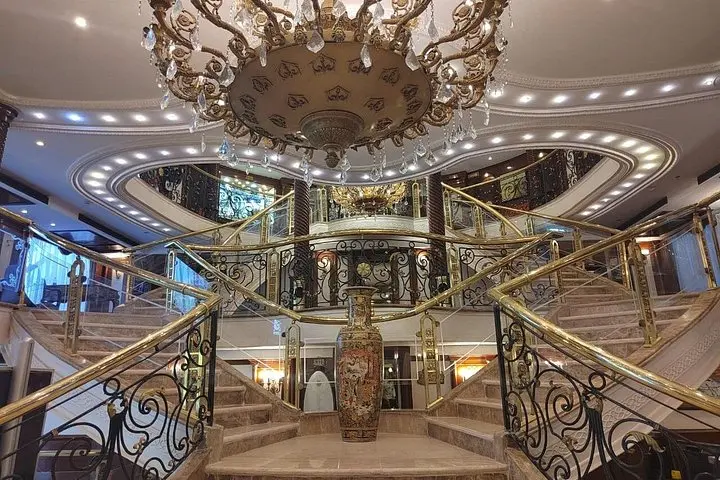
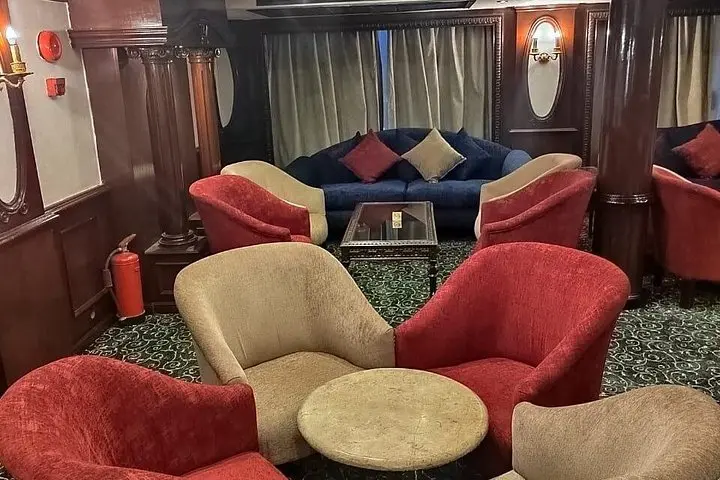
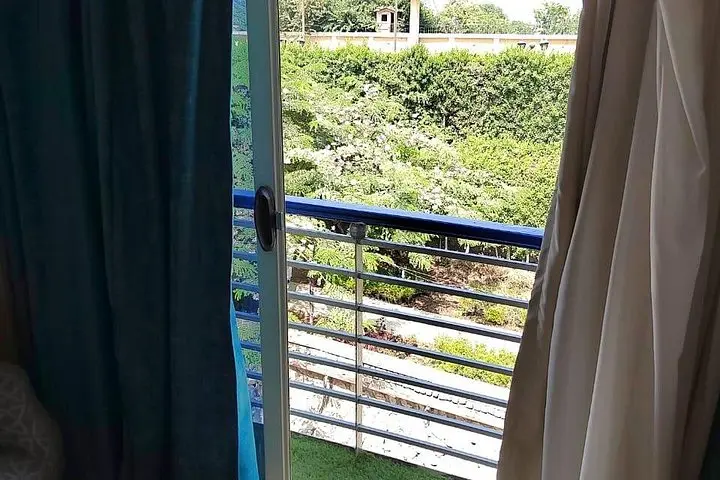
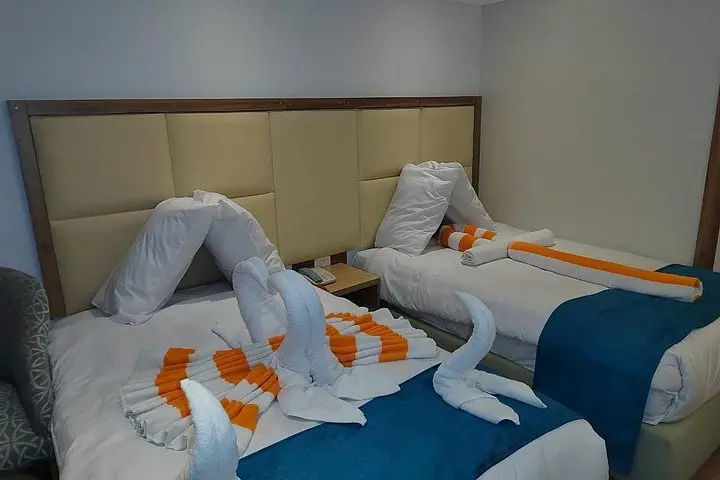
Aboard a slow-moving riverliner, the Nile widens into gold and green — fishermen cast lines from feluccas, date palms blink on the shore, and sandstone temples crouch against a clear sky. The cruise slips between the East and West Banks, tying together the huge stone faces of pharaonic builders with the quieter rhythms of river villages.
Aboard a slow-moving riverliner, the Nile widens into gold and green — fishermen cast lines from feluccas, date palms blink on the shore, and sandstone temples crouch against a clear sky. The cruise slips between the East and West Banks, tying together the huge stone faces of pharaonic builders with the quieter rhythms of river villages.
This corridor of southern Egypt is layered history: Pharaonic necropolises carved into limestone, Greco-Roman temples reworked for later faiths, and modern Aswan built where hard granite meets the Nile’s current. Geologically, the river has cut a narrow fertile band through desert, creating the linear agriculture that sustained civilizations for millennia.
Culturally the route moves through Nubian influences in Aswan, the temple-centric theocracy of Luxor, and villages where boats are still the primary transport. Key stops include the Valley of the Kings, Hatshepsut’s mortuary temple, Edfu’s Horus temple, Kom Ombo’s double sanctuary, Philae, and the High Dam; Abu Simbel is an early-morning optional excursion from Aswan.
Practical notes: tours run at dawn and mid-morning to avoid extreme heat; bring cash for entrance fees and optional excursions. Expect short walks on uneven stone and many steps inside tombs and temples. Pack sun protection, a light layer for breezy evenings on deck, and comfortable, grippy shoes for sandstone surfaces. Hydrate frequently — the river tempts you to linger on the sundeck but temple visits demand clear-headed energy.
For travelers who want history paired with relaxed river travel, this seven-night loop balances daily guided visits with long afternoons watching the Nile’s slow choreography.