THE ADVENTURE COLLECTIVE® · Independent discovery and booking for outdoor travel

Float between Luxor and Aswan aboard a traditional dahabiya, watching temple pylons and Nile islands slide by while expert Egyptologists guide daily shore visits. This 7-night itinerary pairs Cairo highlights with a slow, cultural river cruise for close-up views of ancient Egypt.
Float between Luxor and Aswan aboard a traditional dahabiya, watching temple pylons and Nile islands slide by while expert Egyptologists guide daily shore visits. This 7-night itinerary pairs Cairo highlights with a slow, cultural river cruise for close-up views of ancient Egypt.
You step onto the Dahabiya’s teak deck as the Nile sighs past palm-fringed islands; sunlight tracks across low sandstone cliffs while feluccas scatter like white leaves. The slow pace of the dahabiya turns travel into observation — temple pylons and village gardens arrive on schedule, not insistence.
Verified experiences and guided adventures in the surrounding area.
Operated by Special trips · Luxor, Luxor Governorate
You step onto the Dahabiya’s teak deck as the Nile sighs past palm-fringed islands; sunlight tracks across low sandstone cliffs while feluccas scatter like white leaves. The slow pace of the dahabiya turns travel into observation — temple pylons and village gardens arrive on schedule, not insistence.
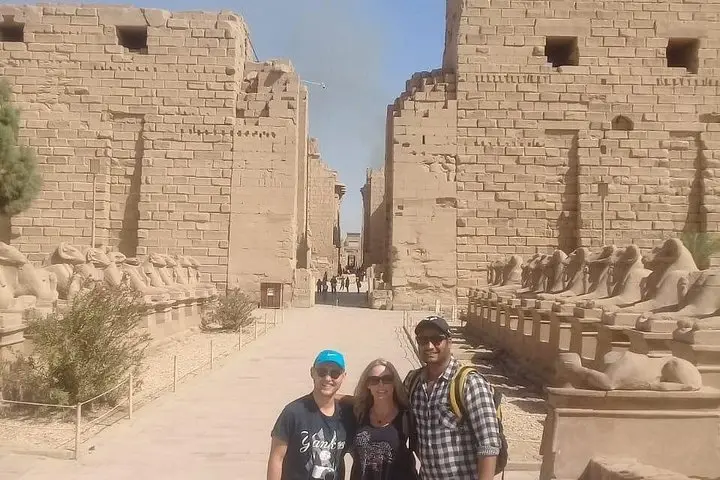
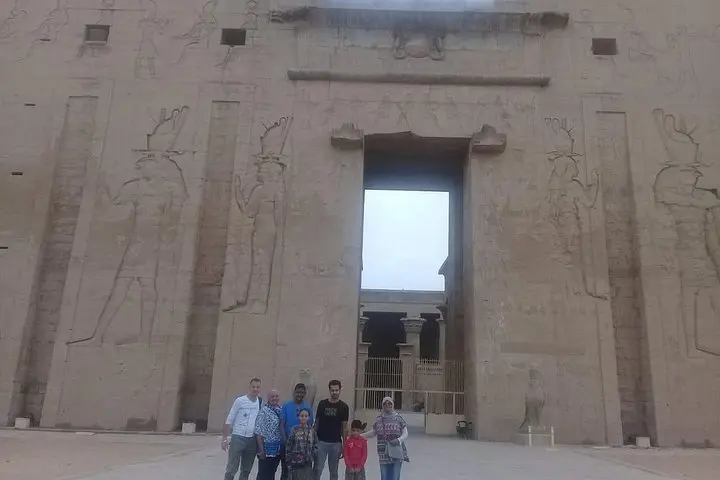
This trip threads two millennia of human history: Pharaonic tombs in the Valley of the Kings, the massive columns of Karnak, and the intimate, later-period temples at Kom Ombo and Edfu. Geologically the Nile corridor carves a ribbon of fertile silt between desert scarps; quarries at Gebel el-Silsila supply the same sandstone many temples were cut from. Culturally you’ll meet Nubian influences around Aswan and Cairo’s modern metropolis, where museums frame artifacts that once shaped entire regions.
Practical guidance is simple: travel light but thoughtful. Expect multiple short shore excursions requiring stair negotiation and uneven temple approaches — comfortable closed-toe shoes and steady balance matter. Daytimes can be hot, especially May–September; mornings and evenings on deck are the most pleasant. Carry a refillable water bottle, sunscreen, and a lightweight scarf to cover shoulders at religious sites. Domestic flights are included in the itinerary, and guided Egyptologist tours punctuate the cruise, so passports and a small local-currency reserve for tips and market purchases make shore stops smoother.
Timing matters: winter and shoulder seasons yield cooler, more comfortable sightseeing; summer brings bright light and fewer crowds but intense heat. Onboard meals and transfers are arranged, so bring a sense of curiosity and leave space for slow, close-up encounters with the Nile’s living landscape.
Yes — flights Cairo–Luxor and Aswan–Cairo are included in this itinerary as scheduled segments.
No — the dahabiya cruise is relaxed, but expect moderate walking, some stairs at archaeological sites, and brief ferry crossings.
Abu Simbel is an optional excursion from Aswan; it’s available for an added cost and requires an early start or an extra day for road/flight transfers.
Carry Egyptian pounds for small purchases and tips; tipping crew and guides is customary and appreciated — prepare small notes for daily gratuities.
Special trips operates guided outdoor trips and adventures with an emphasis on safety, stewardship, and memorable experiences.
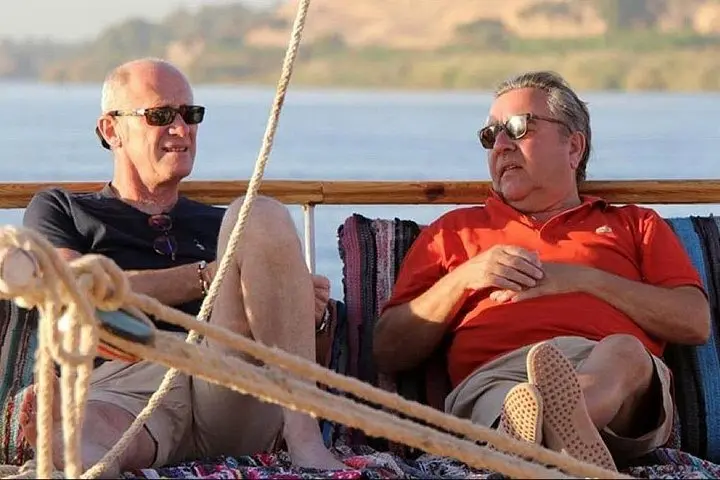
You step onto the Dahabiya’s teak deck as the Nile sighs past palm-fringed islands; sunlight tracks across low sandstone cliffs while feluccas scatter like white leaves. The slow pace of the dahabiya turns travel into observation — temple pylons and village gardens arrive on schedule, not insistence.
You step onto the Dahabiya’s teak deck as the Nile sighs past palm-fringed islands; sunlight tracks across low sandstone cliffs while feluccas scatter like white leaves. The slow pace of the dahabiya turns travel into observation — temple pylons and village gardens arrive on schedule, not insistence.
This trip threads two millennia of human history: Pharaonic tombs in the Valley of the Kings, the massive columns of Karnak, and the intimate, later-period temples at Kom Ombo and Edfu. Geologically the Nile corridor carves a ribbon of fertile silt between desert scarps; quarries at Gebel el-Silsila supply the same sandstone many temples were cut from. Culturally you’ll meet Nubian influences around Aswan and Cairo’s modern metropolis, where museums frame artifacts that once shaped entire regions.
Practical guidance is simple: travel light but thoughtful. Expect multiple short shore excursions requiring stair negotiation and uneven temple approaches — comfortable closed-toe shoes and steady balance matter. Daytimes can be hot, especially May–September; mornings and evenings on deck are the most pleasant. Carry a refillable water bottle, sunscreen, and a lightweight scarf to cover shoulders at religious sites. Domestic flights are included in the itinerary, and guided Egyptologist tours punctuate the cruise, so passports and a small local-currency reserve for tips and market purchases make shore stops smoother.
Timing matters: winter and shoulder seasons yield cooler, more comfortable sightseeing; summer brings bright light and fewer crowds but intense heat. Onboard meals and transfers are arranged, so bring a sense of curiosity and leave space for slow, close-up encounters with the Nile’s living landscape.