THE ADVENTURE COLLECTIVE® · Independent discovery and booking for outdoor travel

Drop from the high Andes into the Amazon on an eight-day, multi-sport journey that blends canoeing, whitewater rafting, tubing, canyoning and community visits. This itinerary pairs adrenaline with guided wildlife encounters and overnight jungle lodges for a hands-on view of Ecuador’s eastern lowlands.
Drop from the high Andes into the Amazon on an eight-day, multi-sport journey that blends canoeing, whitewater rafting, tubing, canyoning and community visits. This itinerary pairs adrenaline with guided wildlife encounters and overnight jungle lodges for a hands-on view of Ecuador’s eastern lowlands.
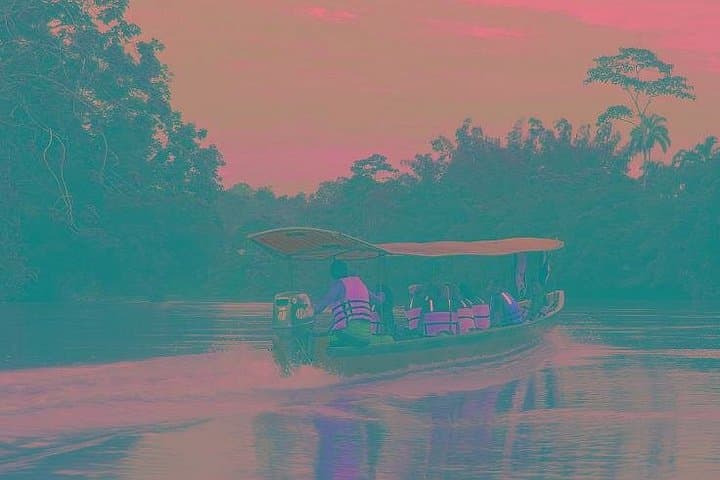
The canoe slips away from the dock before dawn, and the river takes over—the current pulling the boat into a green corridor where sound has weight. In the cool, humid air hummingbirds flash like sequins and a distant waterfall calls you sideways. Over the next eight days you cross that threshold from Andes to Amazon: river canoes and kayaks replace asphalt, carved trails thread through primary forest, and adrenaline sports punctuate long pauses of bird song and river glass.
Verified experiences and guided adventures in the surrounding area.
Operated by Ecuador Best Tours · Tena, Napo
The canoe slips away from the dock before dawn, and the river takes over—the current pulling the boat into a green corridor where sound has weight. In the cool, humid air hummingbirds flash like sequins and a distant waterfall calls you sideways. Over the next eight days you cross that threshold from Andes to Amazon: river canoes and kayaks replace asphalt, carved trails thread through primary forest, and adrenaline sports punctuate long pauses of bird song and river glass.
Geologically the trip traces a dramatic descent: Quito sits at roughly 2,850 m on the Andean spine; within hours you drop into the Amazon foothills (around 400–800 m), where sediments carried from the highlands have built wide river valleys and braided channels. Culturally the route stitches together highland Andean villages, cloud-forest hamlets and Quichwa Amazonian communities—places where plant knowledge and songs are as crucial as maps. Guides on this itinerary double as naturalists and cultural interpreters, explaining how river corridors direct animal movements and how local communities harvest medicinal plants and clay licks for parrots.
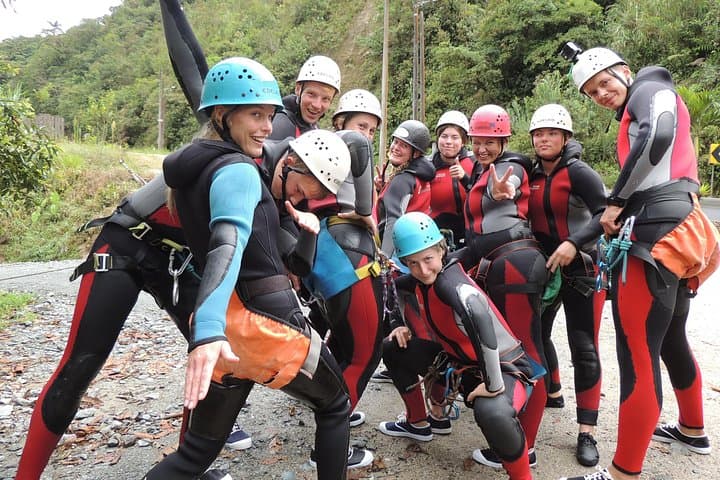
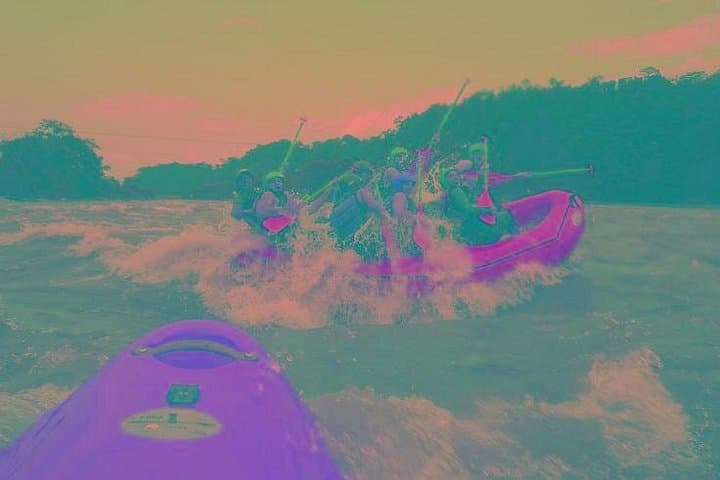
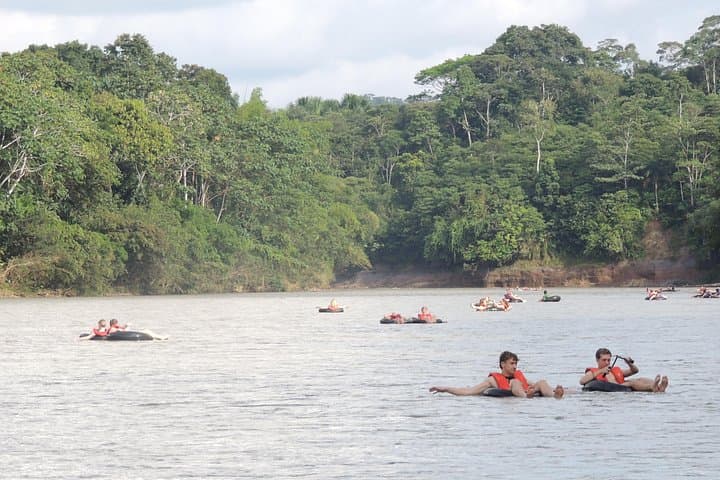
Expect a mix of water and land terrain. Canoe rides on the Arajuno and stretch-to-Itamandi move downstream for 15–30 minutes at a stretch; whitewater on the Jatunyacu offers several sustained Class II–III rapids across a three-hour run; tubing is an easier, self-paced float suitable after instruction; canyoning routes in the Llanganates foothills involve short rappels and wet rock sections where basalt and lava flows channel waterfalls. The final day flips back uphill to the Avenue of the Volcanoes and a steep descent into the Quilotoa crater at 3,600 m, where a 20-minute kayak on the crater lake feels like entering a different world.
Practical edge: start in Quito where guides collect you; be ready for quick temperature and humidity swings—layers matter. Bring sturdy hiking shoes with good traction for slick jungle trails and canyoning; neoprene or water shoes for river sections; insect repellent and broad-spectrum sunscreen are non-negotiable. Physical demand is moderate—paddling, short hikes, and a full-day rafting section mean a baseline of cardio and comfort with sustained movement. The route privileges small groups and family-friendly options, but not all sections are suitable for pregnancy or very young infants.
This trip is best scheduled in morning windows for wildlife activity and late afternoons for waterfalls—avoid midday heat for long jungle walks. Conserve water, practice leave-no-trace on riverbanks, and consider a guide-led conversation with any Quichwa community you visit—respect and curiosity keep these exchanges authentic. When the canoe slows and the forest leans in, the Amazon doesn’t just surround you; it nudges you forward.
No previous experience is required; trained guides provide instruction and safety gear for rafting, tubing and canyoning sections.
Follow your doctor’s advice for travel to tropical areas; while the operator markets the trip as lower-risk, bring mosquito protection and consult travel clinics about routine and travel-specific shots.
Expect moderate exertion: multi-hour rafting and paddling, short jungle hikes, and some rappels—good baseline fitness is recommended.
You stay in a mix of comfortable jungle lodges and hotels in Baños; lodges offer private rooms, communal dining and guided night walks.
Yes for older children and teens; some activities (canyoning, rafting) have age or weight limits—confirm specifics when booking.
Private transportation picks you up in Quito; the drive crosses the eastern Andes, then a short motorized canoe transfer brings you to the river lodge.
Ecuador Best Tours operates guided outdoor trips and adventures with an emphasis on safety, stewardship, and memorable experiences.
The canoe slips away from the dock before dawn, and the river takes over—the current pulling the boat into a green corridor where sound has weight. In the cool, humid air hummingbirds flash like sequins and a distant waterfall calls you sideways. Over the next eight days you cross that threshold from Andes to Amazon: river canoes and kayaks replace asphalt, carved trails thread through primary forest, and adrenaline sports punctuate long pauses of bird song and river glass.
The canoe slips away from the dock before dawn, and the river takes over—the current pulling the boat into a green corridor where sound has weight. In the cool, humid air hummingbirds flash like sequins and a distant waterfall calls you sideways. Over the next eight days you cross that threshold from Andes to Amazon: river canoes and kayaks replace asphalt, carved trails thread through primary forest, and adrenaline sports punctuate long pauses of bird song and river glass.
Geologically the trip traces a dramatic descent: Quito sits at roughly 2,850 m on the Andean spine; within hours you drop into the Amazon foothills (around 400–800 m), where sediments carried from the highlands have built wide river valleys and braided channels. Culturally the route stitches together highland Andean villages, cloud-forest hamlets and Quichwa Amazonian communities—places where plant knowledge and songs are as crucial as maps. Guides on this itinerary double as naturalists and cultural interpreters, explaining how river corridors direct animal movements and how local communities harvest medicinal plants and clay licks for parrots.
Expect a mix of water and land terrain. Canoe rides on the Arajuno and stretch-to-Itamandi move downstream for 15–30 minutes at a stretch; whitewater on the Jatunyacu offers several sustained Class II–III rapids across a three-hour run; tubing is an easier, self-paced float suitable after instruction; canyoning routes in the Llanganates foothills involve short rappels and wet rock sections where basalt and lava flows channel waterfalls. The final day flips back uphill to the Avenue of the Volcanoes and a steep descent into the Quilotoa crater at 3,600 m, where a 20-minute kayak on the crater lake feels like entering a different world.
Practical edge: start in Quito where guides collect you; be ready for quick temperature and humidity swings—layers matter. Bring sturdy hiking shoes with good traction for slick jungle trails and canyoning; neoprene or water shoes for river sections; insect repellent and broad-spectrum sunscreen are non-negotiable. Physical demand is moderate—paddling, short hikes, and a full-day rafting section mean a baseline of cardio and comfort with sustained movement. The route privileges small groups and family-friendly options, but not all sections are suitable for pregnancy or very young infants.
This trip is best scheduled in morning windows for wildlife activity and late afternoons for waterfalls—avoid midday heat for long jungle walks. Conserve water, practice leave-no-trace on riverbanks, and consider a guide-led conversation with any Quichwa community you visit—respect and curiosity keep these exchanges authentic. When the canoe slows and the forest leans in, the Amazon doesn’t just surround you; it nudges you forward.