THE ADVENTURE COLLECTIVE® · Independent discovery and booking for outdoor travel

An 8-day budget route from Kathmandu to Annapurna Base Camp that packs village culture, hot springs, and an amphitheater of Himalayan peaks into a compact itinerary. Ideal for trekkers with moderate fitness who want big views without technical climbing.
An 8-day budget route from Kathmandu to Annapurna Base Camp that packs village culture, hot springs, and an amphitheater of Himalayan peaks into a compact itinerary. Ideal for trekkers with moderate fitness who want big views without technical climbing.
You step off the tourist bus into Pokhara’s thin, pine-scented air and the mountains push themselves forward like a challenge. Over the next week the valley floor peels away beneath your boots: terraced fields, stone villages, and finally an amphitheater of granite and snow that seems to hold the sky. The trail moves between rhododendron forests, along the Modi River that dares you to keep pace, and up steep switchbacks that earn every view.
Verified experiences and guided adventures in the surrounding area.
Operated by Welcome Nepal Treks P.ltd · Pokhara, Gandaki Province
You step off the tourist bus into Pokhara’s thin, pine-scented air and the mountains push themselves forward like a challenge. Over the next week the valley floor peels away beneath your boots: terraced fields, stone villages, and finally an amphitheater of granite and snow that seems to hold the sky. The trail moves between rhododendron forests, along the Modi River that dares you to keep pace, and up steep switchbacks that earn every view.
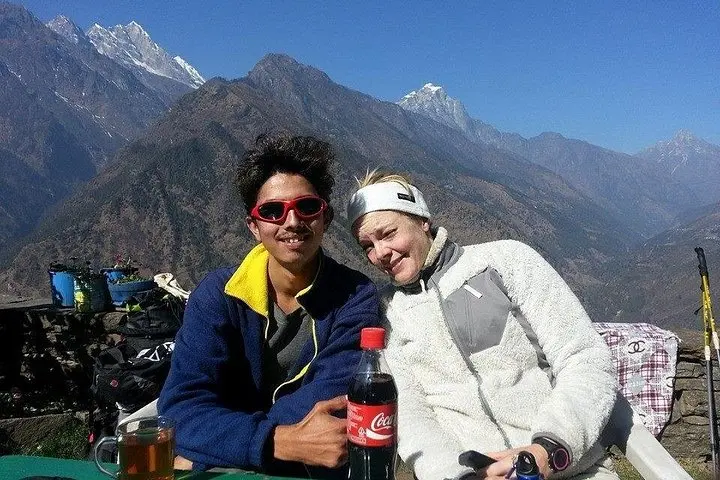
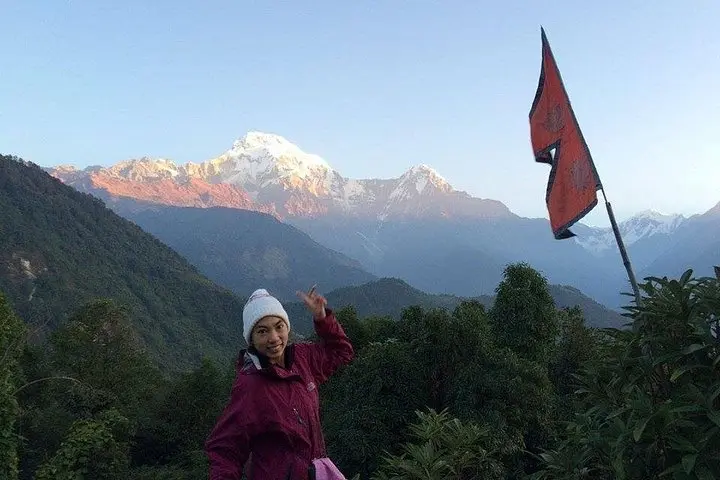
The Annapurna Sanctuary has long been home to Gurung communities and shepherding routes; the massif itself records tectonic collisions that raised these peaks. Geologically young and jagged, Annapurna’s faces collect snow and channel glacial rivers into deep gorges. Cultural touches — prayer flags, mani walls, and lodge hospitality — punctuate the route, with Ghandruk and Chhomrong offering authentic village stops.
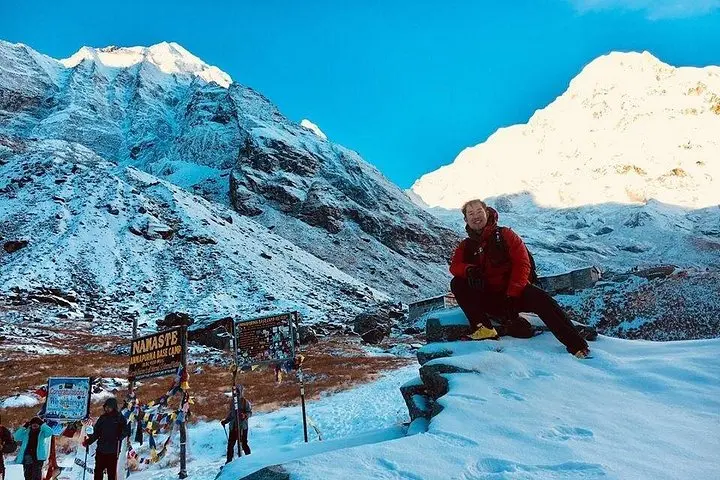
On this budget 8-day short trek you’ll reach Annapurna Base Camp (4,130 m) via established tea-house lodges, experiencing sunrise panoramas of Annapurna I, Machhapuchhre and Gangapurna. Expect varied terrain: stone steps, forest trails, rocky moraines and high alpine scree. Altitude is the real variable — pace conservatively, hydrate, and watch for mild AMS symptoms.
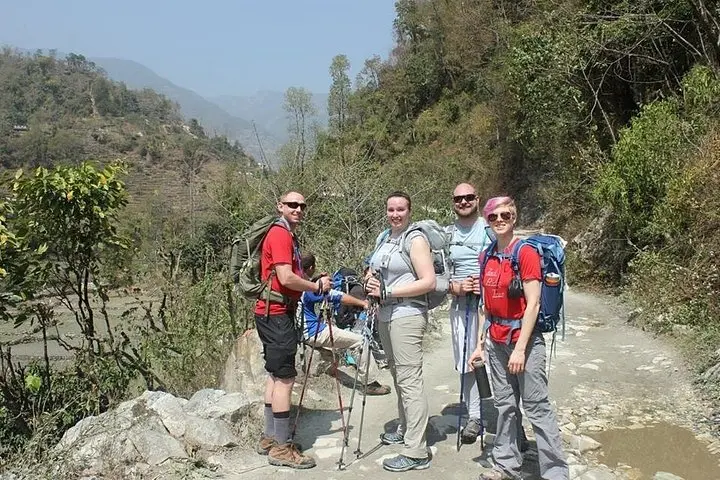
Practical tips: carry layered insulation, a reliable sleeping bag rated to near-freezing, and snacks for long summit days. Trekking poles ease descents; a guide or porter keeps the itinerary efficient on a budget route. Best windows for clear summit views are spring and autumn; monsoon brings leeches and mud, winter brings deep cold and possible snow. With modest fitness and proper acclimatization this classic Himalayan trek delivers big mountain exposure without technical climbing.
Yes — Annapurna Conservation Area Permit (ACAP) and TIMS are required; guides usually arrange these and the fees are included on organized tours.
No — the route is a high-altitude trek on marked trails and lodge-supported tea-house nights; no ropes or technical gear are needed.
ABC reaches 4,130 m; mild AMS is possible—acclimatize, ascend slowly, hydrate, and descend if symptoms worsen.
Fit beginners with multi-day hiking experience can complete it with a guide, but expect long walking days and steep sections—prepare physically beforehand.
Welcome Nepal Treks P.ltd operates guided outdoor trips and adventures with an emphasis on safety, stewardship, and memorable experiences.
You step off the tourist bus into Pokhara’s thin, pine-scented air and the mountains push themselves forward like a challenge. Over the next week the valley floor peels away beneath your boots: terraced fields, stone villages, and finally an amphitheater of granite and snow that seems to hold the sky. The trail moves between rhododendron forests, along the Modi River that dares you to keep pace, and up steep switchbacks that earn every view.
You step off the tourist bus into Pokhara’s thin, pine-scented air and the mountains push themselves forward like a challenge. Over the next week the valley floor peels away beneath your boots: terraced fields, stone villages, and finally an amphitheater of granite and snow that seems to hold the sky. The trail moves between rhododendron forests, along the Modi River that dares you to keep pace, and up steep switchbacks that earn every view.
The Annapurna Sanctuary has long been home to Gurung communities and shepherding routes; the massif itself records tectonic collisions that raised these peaks. Geologically young and jagged, Annapurna’s faces collect snow and channel glacial rivers into deep gorges. Cultural touches — prayer flags, mani walls, and lodge hospitality — punctuate the route, with Ghandruk and Chhomrong offering authentic village stops.
On this budget 8-day short trek you’ll reach Annapurna Base Camp (4,130 m) via established tea-house lodges, experiencing sunrise panoramas of Annapurna I, Machhapuchhre and Gangapurna. Expect varied terrain: stone steps, forest trails, rocky moraines and high alpine scree. Altitude is the real variable — pace conservatively, hydrate, and watch for mild AMS symptoms.
Practical tips: carry layered insulation, a reliable sleeping bag rated to near-freezing, and snacks for long summit days. Trekking poles ease descents; a guide or porter keeps the itinerary efficient on a budget route. Best windows for clear summit views are spring and autumn; monsoon brings leeches and mud, winter brings deep cold and possible snow. With modest fitness and proper acclimatization this classic Himalayan trek delivers big mountain exposure without technical climbing.