THE ADVENTURE COLLECTIVE® · Independent discovery and booking for outdoor travel

An eight-day private itinerary that pairs Cairo’s pyramids with an overnight Nile cruise from Aswan to Luxor and a dawn visit to Abu Simbel. Expect night trains, early starts, and deep archaeological immersion with an expert Egyptology guide.
An eight-day private itinerary that pairs Cairo’s pyramids with an overnight Nile cruise from Aswan to Luxor and a dawn visit to Abu Simbel. Expect night trains, early starts, and deep archaeological immersion with an expert Egyptology guide.
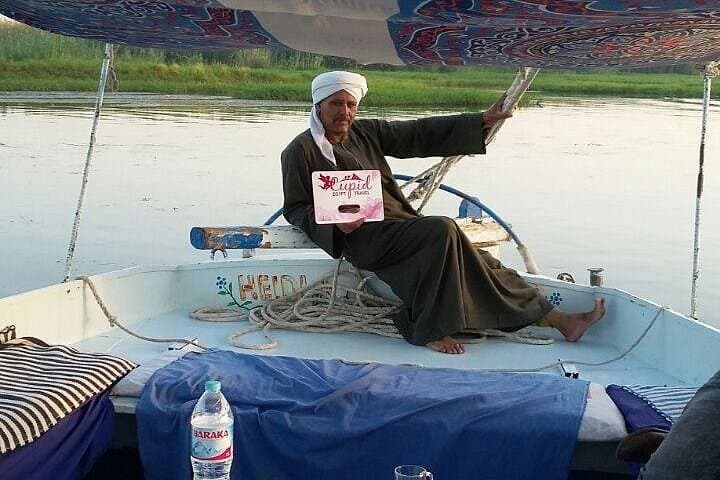
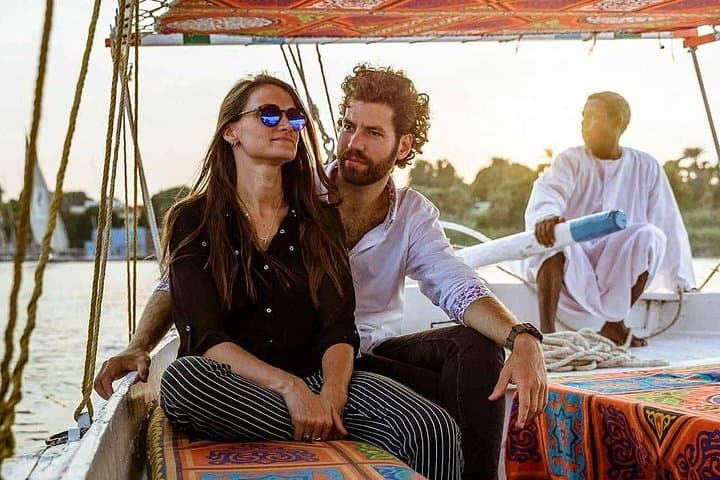
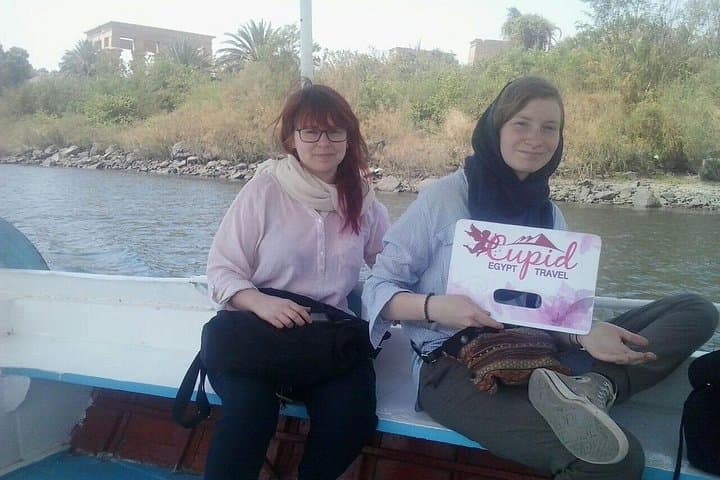
You arrive in Cairo to a city that hums with traffic and history, then soon the Nile changes the rhythm — a slow, steady current that dares you to slow down. After a night train and the blue silhouette of Aswan, the cruise becomes a moving base camp: dawn light on sandstone temples, ferries and feluccas threading the river, and Nubian villages leaning toward the water.
Verified experiences and guided adventures in the surrounding area.
Operated by Cupid EgypTravel · Cairo, Cairo Governorate
You arrive in Cairo to a city that hums with traffic and history, then soon the Nile changes the rhythm — a slow, steady current that dares you to slow down. After a night train and the blue silhouette of Aswan, the cruise becomes a moving base camp: dawn light on sandstone temples, ferries and feluccas threading the river, and Nubian villages leaning toward the water.
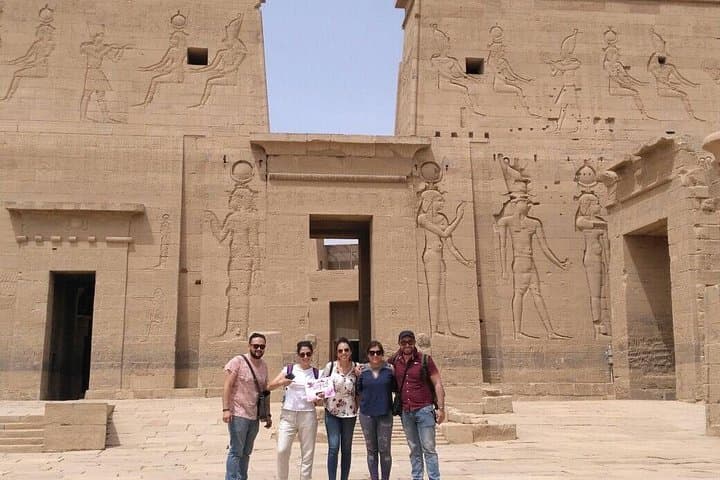
This eight-day loop stitches together Egypt’s most iconic epochs: the Old Kingdom pyramids at Giza, New Kingdom grandeur in Luxor’s Karnak and the Valley of the Kings, Pharaonic power preserved on Philae, and Ramesses II’s colossal faces at Abu Simbel. Geology explains the stage — limestone and sandstone cliffs carved by the Nile’s pulse, fertile floodplain where agriculture has existed for millennia. Cultural rhythms remain visible in market barges, horse-and-carriage rides at Edfu, and the blend of Arab and Nubian crafts in riverside settlements.
Practicalities shape the trip: expect early mornings (Abu Simbel visits often start before sunrise), night trains between Cairo and Upper Egypt, and several short hikes across temple complexes with uneven stone steps. Carry a refillable water bottle, sun protection, and comfortable walking shoes with good grip. Modest dress is required in religious sites; a lightweight scarf will serve for both sun and etiquette.
Plan for long but rewarding days, listen to your Egyptology guide for context, and budget time for quiet river-side moments. The Nile’s current pushes the itinerary forward, but it’s the details — carved reliefs, local bread ovens, and the smell of diesel and oud — that make the journey memorable.
Most major sites listed in the itinerary are included, but confirm specific admissions like optional museum entries when booking.
First-class seated night trains are used on this itinerary; they offer basic sleeping arrangements—bring earplugs and a travel pillow for comfort.
Many nationalities require a tourist visa for Egypt—check current government requirements and obtain a visa before travel if necessary.
The tour is rated physically easy and accessible for many ages, but it involves long days, early starts, and steps at archaeological sites; discuss mobility needs with the operator.
Cupid EgypTravel operates guided outdoor trips and adventures with an emphasis on safety, stewardship, and memorable experiences.
You arrive in Cairo to a city that hums with traffic and history, then soon the Nile changes the rhythm — a slow, steady current that dares you to slow down. After a night train and the blue silhouette of Aswan, the cruise becomes a moving base camp: dawn light on sandstone temples, ferries and feluccas threading the river, and Nubian villages leaning toward the water.
You arrive in Cairo to a city that hums with traffic and history, then soon the Nile changes the rhythm — a slow, steady current that dares you to slow down. After a night train and the blue silhouette of Aswan, the cruise becomes a moving base camp: dawn light on sandstone temples, ferries and feluccas threading the river, and Nubian villages leaning toward the water.
This eight-day loop stitches together Egypt’s most iconic epochs: the Old Kingdom pyramids at Giza, New Kingdom grandeur in Luxor’s Karnak and the Valley of the Kings, Pharaonic power preserved on Philae, and Ramesses II’s colossal faces at Abu Simbel. Geology explains the stage — limestone and sandstone cliffs carved by the Nile’s pulse, fertile floodplain where agriculture has existed for millennia. Cultural rhythms remain visible in market barges, horse-and-carriage rides at Edfu, and the blend of Arab and Nubian crafts in riverside settlements.
Practicalities shape the trip: expect early mornings (Abu Simbel visits often start before sunrise), night trains between Cairo and Upper Egypt, and several short hikes across temple complexes with uneven stone steps. Carry a refillable water bottle, sun protection, and comfortable walking shoes with good grip. Modest dress is required in religious sites; a lightweight scarf will serve for both sun and etiquette.
Plan for long but rewarding days, listen to your Egyptology guide for context, and budget time for quiet river-side moments. The Nile’s current pushes the itinerary forward, but it’s the details — carved reliefs, local bread ovens, and the smell of diesel and oud — that make the journey memorable.