THE ADVENTURE COLLECTIVE® · Independent discovery and booking for outdoor travel

Traverse Sichuan’s alpine basins and Gansu’s Tibetan plateaus on an eight‑day journey from Chengdu to Lanzhou. Expect glacial lakes, travertine terraces, ancient irrigation engineering, and living monasteries—plus long scenic drives between them.
Traverse Sichuan’s alpine basins and Gansu’s Tibetan plateaus on an eight‑day journey from Chengdu to Lanzhou. Expect glacial lakes, travertine terraces, ancient irrigation engineering, and living monasteries—plus long scenic drives between them.
Mornings here feel like a slow, deliberate unfurling: mist lifts off turquoise lakes, prayer flags along a ridge click like small bells, and the road curves toward snow that still keeps a chill in the air.
Verified experiences and guided adventures in the surrounding area.
Operated by Real North Adventure · Chengdu, Sichuan
Mornings here feel like a slow, deliberate unfurling: mist lifts off turquoise lakes, prayer flags along a ridge click like small bells, and the road curves toward snow that still keeps a chill in the air.
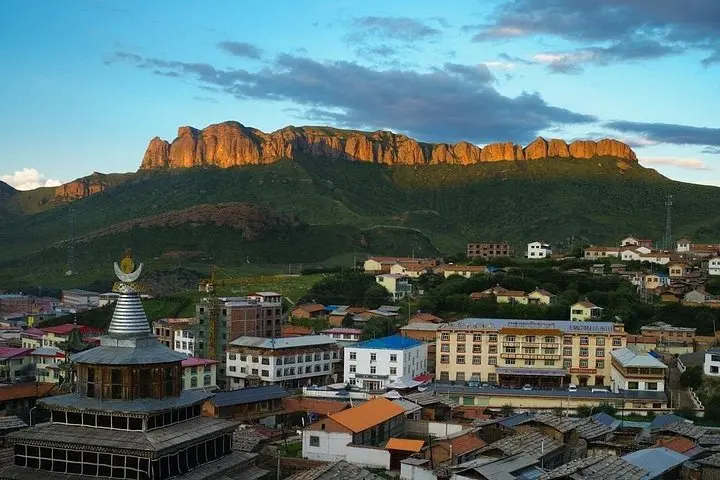
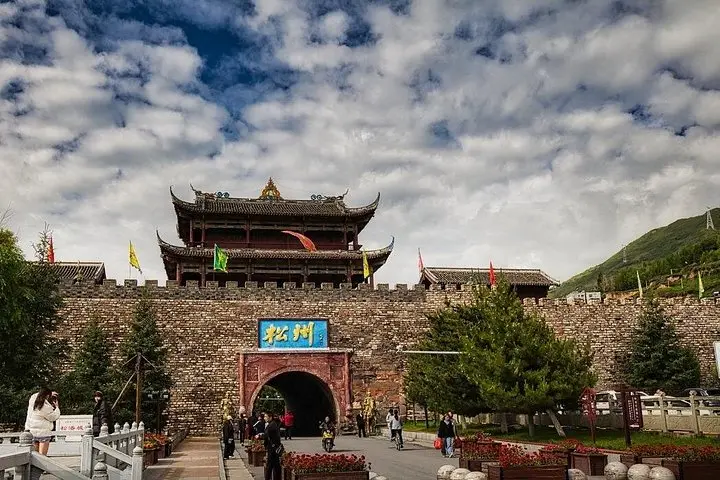
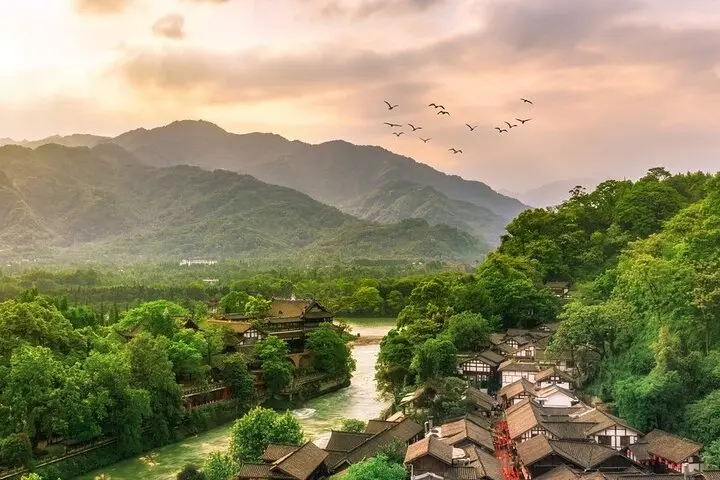
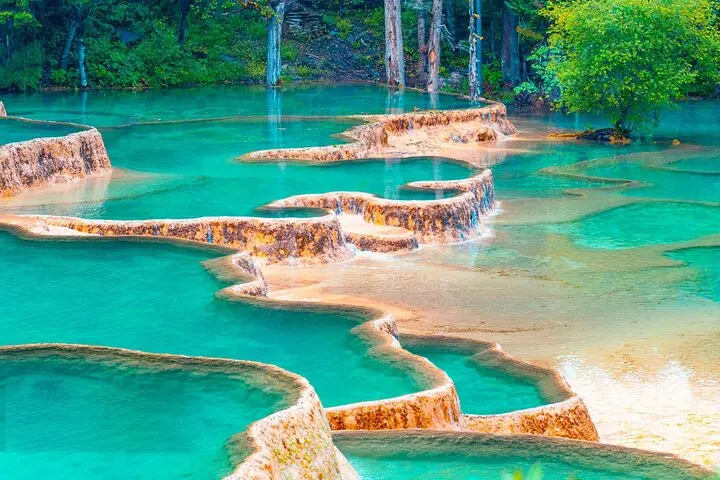
This eight‑day route moves from Chengdu’s urban pulse into western Sichuan’s alpine geography and across into Gansu’s Tibetan cultural zone. Geology does the heavy lifting—karst and travertine terraces at Huanglong, glacially carved basins and multicolored lakes in Jiuzhaigou, and red sandstone cliffs that host the ancient Bingling Grottoes. Human history arrives next to geology: Dujiangyan’s 2,000‑year irrigation system, Songpan’s trading fortress origins, and Labrang Monastery’s 300‑year role as a Gelug teaching center.
Culture is constant on the road: Tibetan gompas, yak caravans on Ruoergai grasslands, and village temples where local languages and ornate dress are everyday. The trip balances photography stops—Zaga Na’s windows of sky—and patient walking on boardwalks, with long drives over high passes that demand respect for altitude.
Practical side: plan for significant driving blocks, brief uphill walks at altitude, and strict park rules at Jiuzhaigou and Huanglong to protect fragile travertine. Hydrate, pace yourself, and pack layered clothing and sun protection; mornings and nights are cold even in summer. Book entrance tickets and internal shuttles in advance during peak season. With modest fitness and a flexible itinerary, this circuit delivers vivid landscapes, living Tibetan culture, and intact geological wonders.
Yes—daily walking is moderate and the itinerary is vehicle‑based, but travellers should be prepared for long drives and some high‑altitude days.
Jiuzhaigou and Huanglong often require timed entry and park shuttle tickets—book or confirm these during peak season; Labrang Monastery has free access but some halls restrict photography.
Late spring through early autumn (May–Oct) offers open roads and accessible high passes; winter brings snow closures and frigid temperatures.
Elevations reach over 3,500–4,000 m in places like Ruoergai and Huanglong; take time to acclimatize, drink water, and descend if symptoms worsen.
Real North Adventure operates guided outdoor trips and adventures with an emphasis on safety, stewardship, and memorable experiences.
Mornings here feel like a slow, deliberate unfurling: mist lifts off turquoise lakes, prayer flags along a ridge click like small bells, and the road curves toward snow that still keeps a chill in the air.
Mornings here feel like a slow, deliberate unfurling: mist lifts off turquoise lakes, prayer flags along a ridge click like small bells, and the road curves toward snow that still keeps a chill in the air.
This eight‑day route moves from Chengdu’s urban pulse into western Sichuan’s alpine geography and across into Gansu’s Tibetan cultural zone. Geology does the heavy lifting—karst and travertine terraces at Huanglong, glacially carved basins and multicolored lakes in Jiuzhaigou, and red sandstone cliffs that host the ancient Bingling Grottoes. Human history arrives next to geology: Dujiangyan’s 2,000‑year irrigation system, Songpan’s trading fortress origins, and Labrang Monastery’s 300‑year role as a Gelug teaching center.
Culture is constant on the road: Tibetan gompas, yak caravans on Ruoergai grasslands, and village temples where local languages and ornate dress are everyday. The trip balances photography stops—Zaga Na’s windows of sky—and patient walking on boardwalks, with long drives over high passes that demand respect for altitude.
Practical side: plan for significant driving blocks, brief uphill walks at altitude, and strict park rules at Jiuzhaigou and Huanglong to protect fragile travertine. Hydrate, pace yourself, and pack layered clothing and sun protection; mornings and nights are cold even in summer. Book entrance tickets and internal shuttles in advance during peak season. With modest fitness and a flexible itinerary, this circuit delivers vivid landscapes, living Tibetan culture, and intact geological wonders.