THE ADVENTURE COLLECTIVE® · Independent discovery and booking for outdoor travel

Take an eight-day traverse from Choquequirao to Machu Picchu through cloud forest, high passes and agricultural hamlets. This remote Inca trail combines steep ascents, river valleys, camping, and long views — plan for altitude, variable weather, and long hiking days.
Take an eight-day traverse from Choquequirao to Machu Picchu through cloud forest, high passes and agricultural hamlets. This remote Inca trail combines steep ascents, river valleys, camping, and long views — plan for altitude, variable weather, and long hiking days.
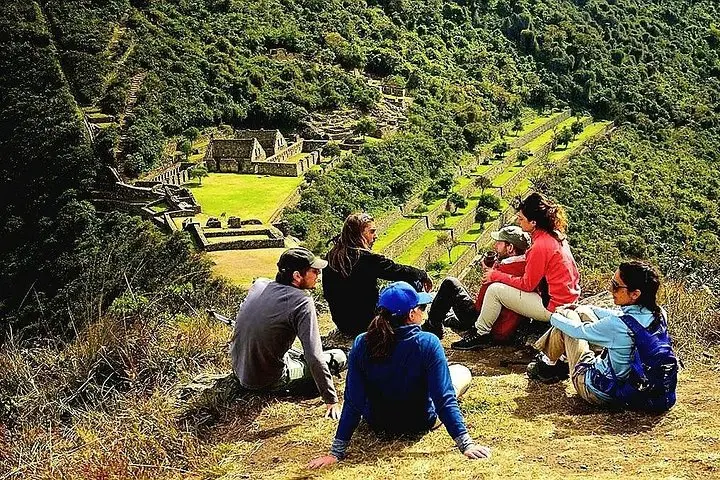
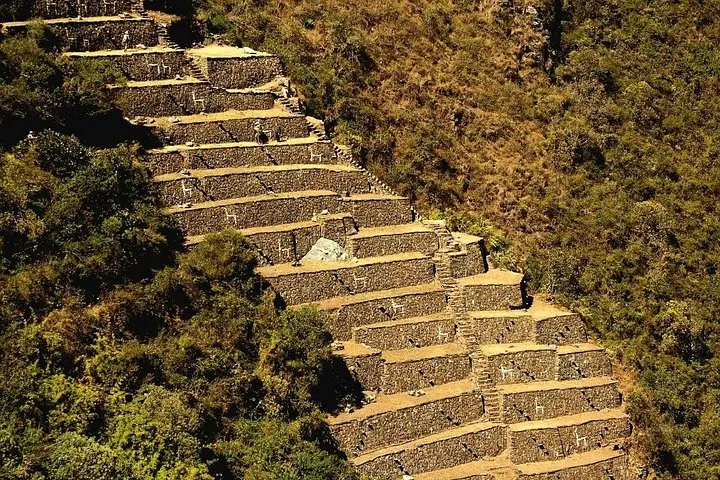
Dawn spills across the Apurímac canyon as you shoulder your pack and step onto a trail that drops steeply toward a river daring you to keep moving. Over eight days you move between jungle and puna, through cloud forest windows that reveal snow-capped ridgelines and long-abandoned Inca terraces reclaimed by ferns and time.
Verified experiences and guided adventures in the surrounding area.
Operated by Ali Peru Treks - Travel Agency · Cusco, Cusco Region
Dawn spills across the Apurímac canyon as you shoulder your pack and step onto a trail that drops steeply toward a river daring you to keep moving. Over eight days you move between jungle and puna, through cloud forest windows that reveal snow-capped ridgelines and long-abandoned Inca terraces reclaimed by ferns and time.
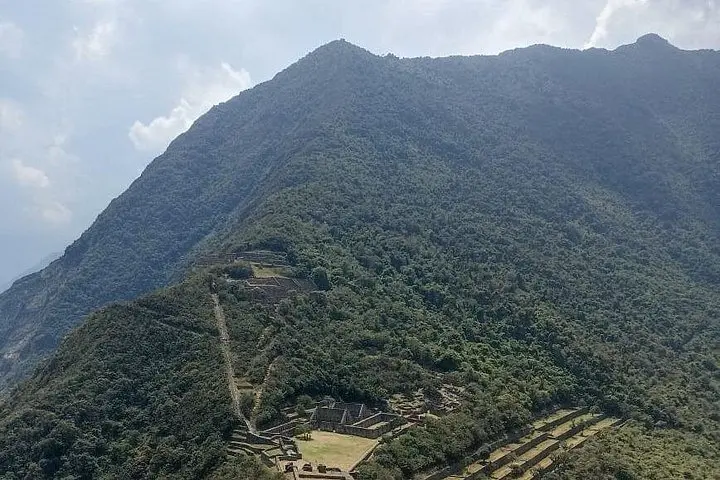
Choquequirao — often called Machu Picchu’s sister — sits high above the Apurímac River and may be twice the size of its more famous cousin; much remains hidden beneath the canopy. The route knits together Inca stairways, remote Andean passes (the itinerary tops out at Yanama Pass, ~4,672 m/15,324 ft), and humid rainforest as you descend to river valleys and climb back into puna. Geology here is dramatic: folded schists and mineral-rich outcrops produce steep, serrated ridgelines and plunging gullies carved by the Apurímac.
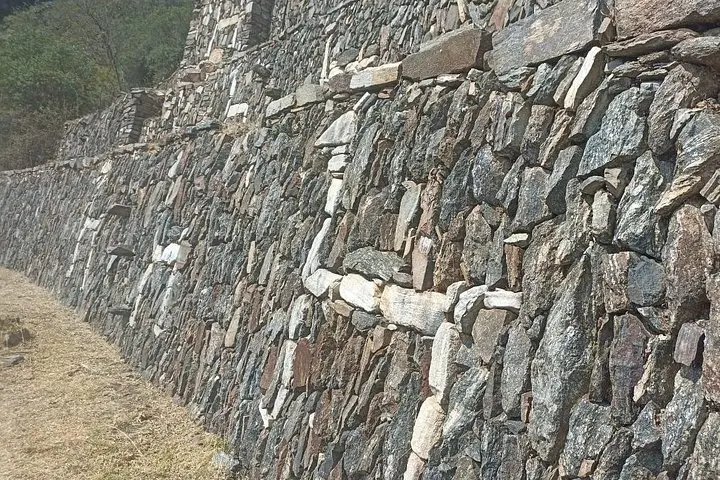
Culturally, you’ll pass small Quechua communities and coffee plots on the way to Lucmabamba, where local agriculture anchors daily life. Guides point out ancient stonework, irrigation channels, and mining scars older than living memory.
Practically: expect 4–6 hours of hiking on most days with some very steep zigzags and technical footing; the trip includes camping, meals prepared by a camp chef, horse support for gear, and included entrance to Choquequirao and Machu Picchu. Acclimatize in Cusco, travel in the dry season (May–Sep) if possible, pack layered clothing, and prepare for sudden weather shifts. This is a challenging, high-altitude expedition best suited for fit, experienced trekkers ready for remote trails and long days in wild country.
Entrance to Choquequirao and Machu Picchu are included in this tour; the operator handles site permits and train tickets as part of the itinerary.
Yanama Pass reaches approximately 4,672 m (15,324 ft); plan for thinner air and slower hiking at that elevation.
Camping includes foam sleeping pads, pillows, and shared campsites; meals are prepared by a camp chef, and horses carry gear and food.
The dry season (May–September) offers more stable weather, clearer trails and better views, while the rainy season brings slippery trails and higher river levels.
Ali Peru Treks - Travel Agency operates guided outdoor trips and adventures with an emphasis on safety, stewardship, and memorable experiences.
Dawn spills across the Apurímac canyon as you shoulder your pack and step onto a trail that drops steeply toward a river daring you to keep moving. Over eight days you move between jungle and puna, through cloud forest windows that reveal snow-capped ridgelines and long-abandoned Inca terraces reclaimed by ferns and time.
Dawn spills across the Apurímac canyon as you shoulder your pack and step onto a trail that drops steeply toward a river daring you to keep moving. Over eight days you move between jungle and puna, through cloud forest windows that reveal snow-capped ridgelines and long-abandoned Inca terraces reclaimed by ferns and time.
Choquequirao — often called Machu Picchu’s sister — sits high above the Apurímac River and may be twice the size of its more famous cousin; much remains hidden beneath the canopy. The route knits together Inca stairways, remote Andean passes (the itinerary tops out at Yanama Pass, ~4,672 m/15,324 ft), and humid rainforest as you descend to river valleys and climb back into puna. Geology here is dramatic: folded schists and mineral-rich outcrops produce steep, serrated ridgelines and plunging gullies carved by the Apurímac.
Culturally, you’ll pass small Quechua communities and coffee plots on the way to Lucmabamba, where local agriculture anchors daily life. Guides point out ancient stonework, irrigation channels, and mining scars older than living memory.
Practically: expect 4–6 hours of hiking on most days with some very steep zigzags and technical footing; the trip includes camping, meals prepared by a camp chef, horse support for gear, and included entrance to Choquequirao and Machu Picchu. Acclimatize in Cusco, travel in the dry season (May–Sep) if possible, pack layered clothing, and prepare for sudden weather shifts. This is a challenging, high-altitude expedition best suited for fit, experienced trekkers ready for remote trails and long days in wild country.