THE ADVENTURE COLLECTIVE® · Independent discovery and booking for outdoor travel

An eight‑day private itinerary that moves from Amman's ancient streets to Petra's famed Siq, through Wadi Rum's monoliths and ends with a float in the Dead Sea. Practical guidance and on‑the‑ground logistics make this a straightforward way to experience Jordan's highlights.
An eight‑day private itinerary that moves from Amman's ancient streets to Petra's famed Siq, through Wadi Rum's monoliths and ends with a float in the Dead Sea. Practical guidance and on‑the‑ground logistics make this a straightforward way to experience Jordan's highlights.
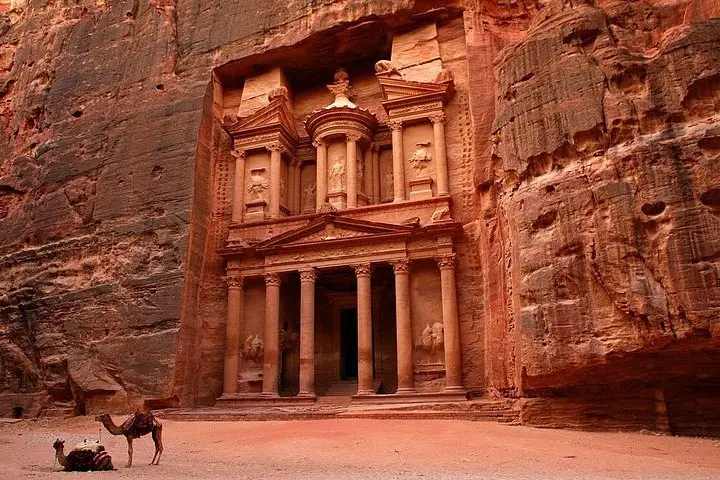
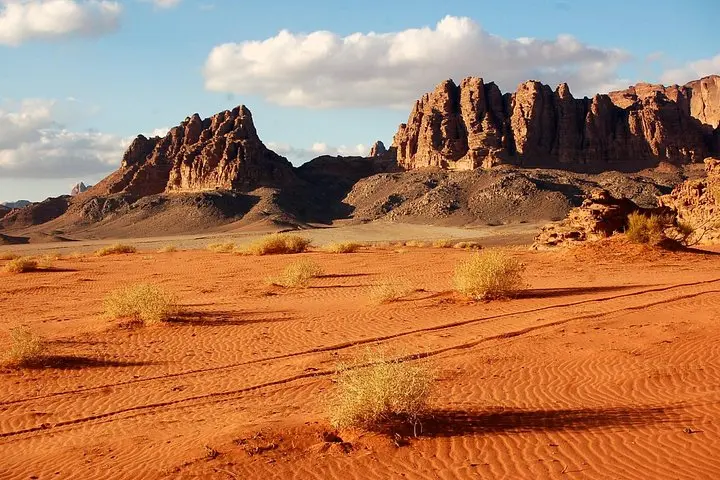
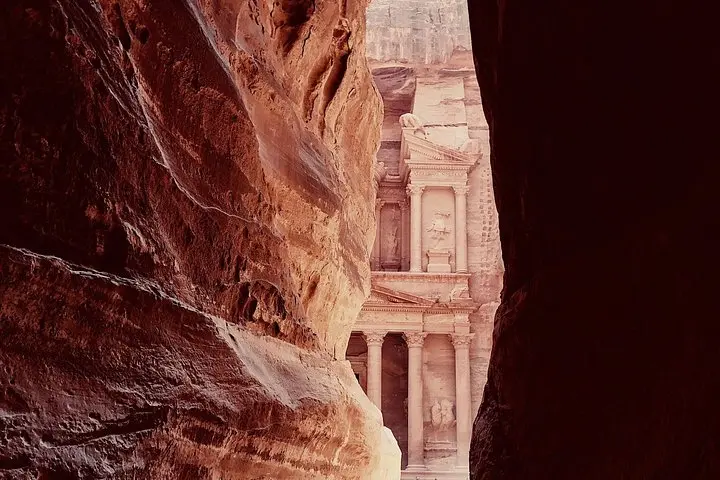
You step off the plane into Amman's dry evening air and the country's geology announces itself: limestone hills giving way to ochre canyons and, eventually, the vertical red walls of Petra. The tour threads modern Amman, Roman columns in Jerash, the mosaic alleys of Madaba, the ridge road views from Mount Nebo, Petra’s 700‑meter Siq approach and the open, wind‑sculpted moonscape of Wadi Rum before the buoyant calm of the Dead Sea.
Verified experiences and guided adventures in the surrounding area.
Operated by JORDAN SPECTRUM · Amman, Amman Governorate
You step off the plane into Amman's dry evening air and the country's geology announces itself: limestone hills giving way to ochre canyons and, eventually, the vertical red walls of Petra. The tour threads modern Amman, Roman columns in Jerash, the mosaic alleys of Madaba, the ridge road views from Mount Nebo, Petra’s 700‑meter Siq approach and the open, wind‑sculpted moonscape of Wadi Rum before the buoyant calm of the Dead Sea.
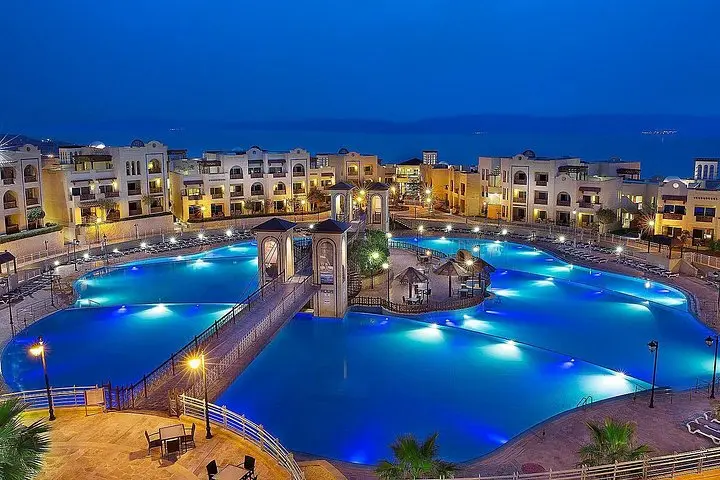
History here sits in layers. Nabatean engineers carved water channels into sandstone; Romans overlaid cardo streets; Crusaders built hilltop keeps; Bedouin families have guided and camped these routes for centuries. Geology shapes every stop: Petra’s friable sandstone facades, Wadi Rum’s granite and sandstone monoliths rising up to 1,750 m, and the Dead Sea basin sitting roughly 400 m below sea level.
Expect a mix of walking (Petra’s steps and canyons), short drives on the Kings’ Road, and a roughly two‑hour jeep loop in Wadi Rum with time on foot in side canyons. Surfaces are a combination of packed paths, loose sand and stone steps; elevation changes are moderate but frequent in Petra and Ajloun.
Practical notes: carry 2–3 liters of water per day in summer, wear sturdy treaded shoes, and start major walks early to avoid midday heat. Bring a sun hat, sunscreen, and a light wind layer for cool desert nights. Respect sacred sites and Bedouin camp rules, stick to marked routes, and let the guide handle logistics — from ticketing to the Dead Sea’s private beaches — so you can focus on the terrain and the history pushing at every horizon.
Many nationalities can obtain a visa on arrival or can arrange a visa in advance; this tour offers visa assistance — confirm requirements for your passport before travel.
Expect several short to moderate walking periods per day, with the most walking in Petra (including the 700 m Siq and steps to tombs); most days include vehicle transfers between sites.
Hotels and one night in a Bedouin tent in Wadi Rum are included, typically double occupancy with breakfast; check single‑room options at booking.
Yes — the Dead Sea’s shallow private beaches are family‑friendly, but avoid getting water in eyes and do not shave immediately before floating due to salt sting.
JORDAN SPECTRUM operates guided outdoor trips and adventures with an emphasis on safety, stewardship, and memorable experiences.
You step off the plane into Amman's dry evening air and the country's geology announces itself: limestone hills giving way to ochre canyons and, eventually, the vertical red walls of Petra. The tour threads modern Amman, Roman columns in Jerash, the mosaic alleys of Madaba, the ridge road views from Mount Nebo, Petra’s 700‑meter Siq approach and the open, wind‑sculpted moonscape of Wadi Rum before the buoyant calm of the Dead Sea.
You step off the plane into Amman's dry evening air and the country's geology announces itself: limestone hills giving way to ochre canyons and, eventually, the vertical red walls of Petra. The tour threads modern Amman, Roman columns in Jerash, the mosaic alleys of Madaba, the ridge road views from Mount Nebo, Petra’s 700‑meter Siq approach and the open, wind‑sculpted moonscape of Wadi Rum before the buoyant calm of the Dead Sea.
History here sits in layers. Nabatean engineers carved water channels into sandstone; Romans overlaid cardo streets; Crusaders built hilltop keeps; Bedouin families have guided and camped these routes for centuries. Geology shapes every stop: Petra’s friable sandstone facades, Wadi Rum’s granite and sandstone monoliths rising up to 1,750 m, and the Dead Sea basin sitting roughly 400 m below sea level.
Expect a mix of walking (Petra’s steps and canyons), short drives on the Kings’ Road, and a roughly two‑hour jeep loop in Wadi Rum with time on foot in side canyons. Surfaces are a combination of packed paths, loose sand and stone steps; elevation changes are moderate but frequent in Petra and Ajloun.
Practical notes: carry 2–3 liters of water per day in summer, wear sturdy treaded shoes, and start major walks early to avoid midday heat. Bring a sun hat, sunscreen, and a light wind layer for cool desert nights. Respect sacred sites and Bedouin camp rules, stick to marked routes, and let the guide handle logistics — from ticketing to the Dead Sea’s private beaches — so you can focus on the terrain and the history pushing at every horizon.