THE ADVENTURE COLLECTIVE® · Independent discovery and booking for outdoor travel

An eight-day journey linking Tunisian medinas, Valletta’s Baroque bastions and Sicily’s volcanic wilds. Highlights include Kairouan’s Great Mosque, a Valletta walking tour and a guided hike on Mount Etna up to 2,000 m.
An eight-day journey linking Tunisian medinas, Valletta’s Baroque bastions and Sicily’s volcanic wilds. Highlights include Kairouan’s Great Mosque, a Valletta walking tour and a guided hike on Mount Etna up to 2,000 m.
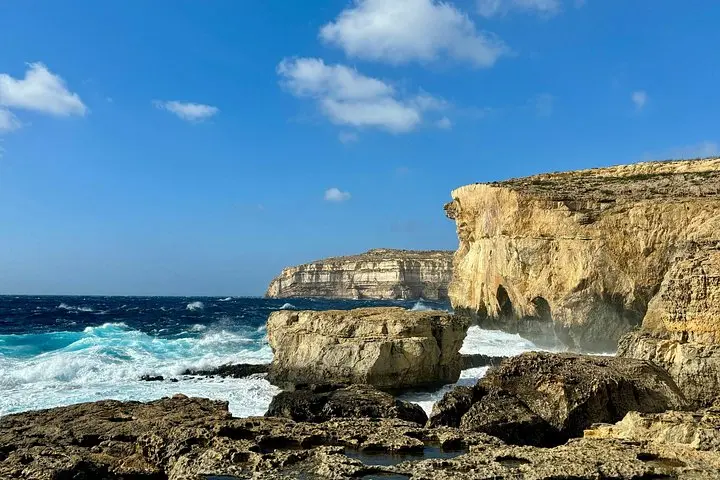
You arrive in Tunis as sunlight pushes across low limestone roofs, spice stalls calling and the sea smelling faint in the distance. The itinerary threads north Africa and the central Mediterranean—Tunisian medinas and Roman ruins give way to Maltese bastions and, finally, Sicily’s volcanic slopes—each day a clear change of scene.
Verified experiences and guided adventures in the surrounding area.
Operated by Urban Passer · Tunis, Tunis Governorate
You arrive in Tunis as sunlight pushes across low limestone roofs, spice stalls calling and the sea smelling faint in the distance. The itinerary threads north Africa and the central Mediterranean—Tunisian medinas and Roman ruins give way to Maltese bastions and, finally, Sicily’s volcanic slopes—each day a clear change of scene.
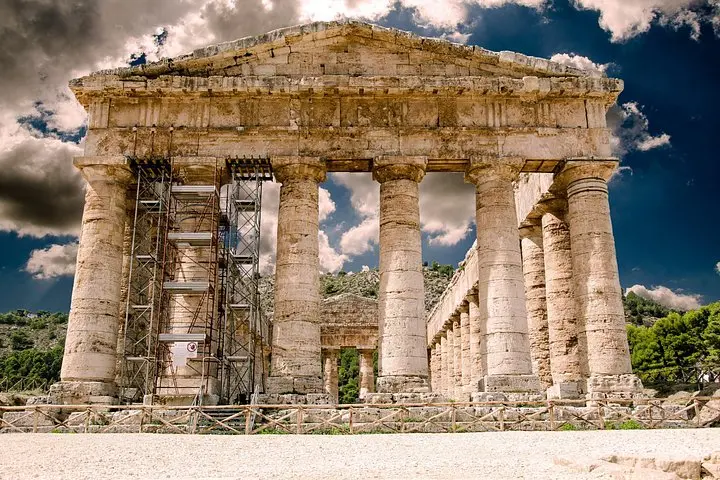
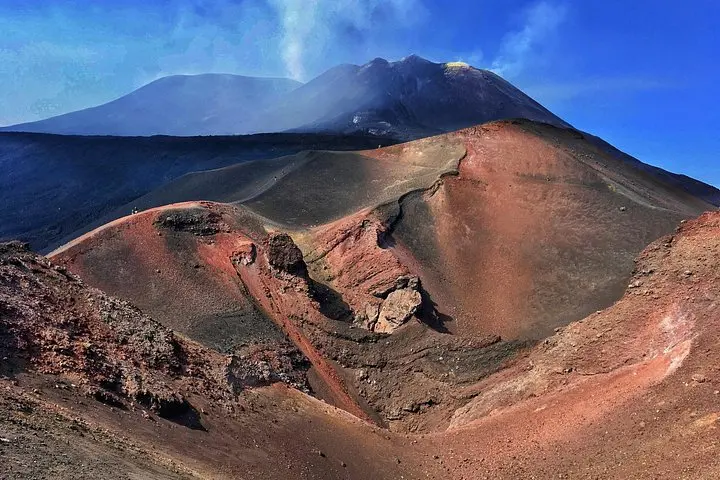
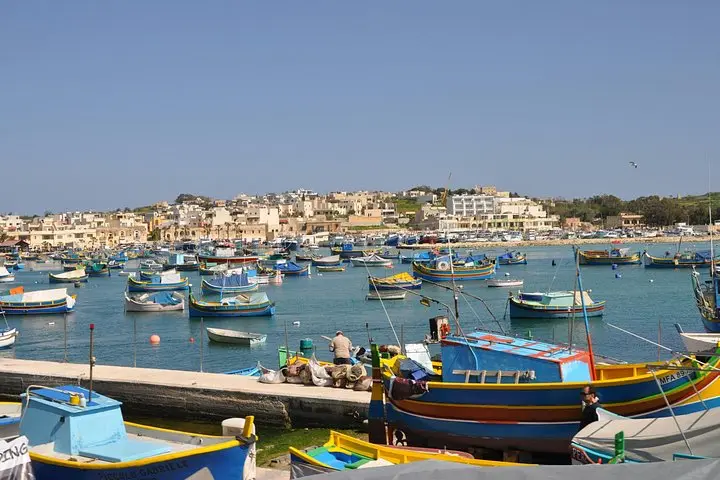
Tunisia’s Great Mosque of Kairouan and the ribats of Monastir speak to early Islamic engineering; nearby archaeological sites such as Bulla Regia reveal Roman-life preserved in stone and subterranean houses. Malta’s Valletta, built by the Knights of St John in the 16th century, layers Baroque facades above a commanding harbor. Sicily closes the loop: Catania’s black-lava streets lead to Mount Etna, where recent and ancient lava flows form a raw, cratered landscape and the Valle del Bove drops like a wound in the mountain’s flank.
Expect steady travel days: three short flights and one long train leg, hotel stays each night, guided city walks, a hands-on pizza and gelato class in Palermo, and an Etna day hike up to ~2,000 m including a lava cave visit. The Etna section is the trip’s most active element—rocky, variable terrain and strong sun at altitude.
Practical guidance: carry a valid passport (required for booking), plan lightweight layers and sun protection, bring sturdy hiking shoes and 1–2 liters of water for Etna, and stagger high-activity components early in the day when temperatures are cooler. Respect protected sites—stay on marked trails, and use local guides for archaeological and volcanic areas to maximize safety and interpretation.
Visa requirements depend on your nationality—check entry rules for Tunisia, Malta and Italy well before travel and ensure passport validity meets each country’s minimum requirement.
The Etna day reaches up to ~2,000 m with volcanic scree and some steep sections; it’s moderate but requires solid footwear and steady pace—guides adapt routes to conditions.
Yes: flights from Tunis to Malta and Malta to Catania, and a train ticket from Catania to Palermo are included in the itinerary details.
The tour is designed for general fitness levels, but the Etna hike and some archaeological sites involve uneven ground and stairs—consult the operator for accessibility accommodations.
Urban Passer operates guided outdoor trips and adventures with an emphasis on safety, stewardship, and memorable experiences.
You arrive in Tunis as sunlight pushes across low limestone roofs, spice stalls calling and the sea smelling faint in the distance. The itinerary threads north Africa and the central Mediterranean—Tunisian medinas and Roman ruins give way to Maltese bastions and, finally, Sicily’s volcanic slopes—each day a clear change of scene.
You arrive in Tunis as sunlight pushes across low limestone roofs, spice stalls calling and the sea smelling faint in the distance. The itinerary threads north Africa and the central Mediterranean—Tunisian medinas and Roman ruins give way to Maltese bastions and, finally, Sicily’s volcanic slopes—each day a clear change of scene.
Tunisia’s Great Mosque of Kairouan and the ribats of Monastir speak to early Islamic engineering; nearby archaeological sites such as Bulla Regia reveal Roman-life preserved in stone and subterranean houses. Malta’s Valletta, built by the Knights of St John in the 16th century, layers Baroque facades above a commanding harbor. Sicily closes the loop: Catania’s black-lava streets lead to Mount Etna, where recent and ancient lava flows form a raw, cratered landscape and the Valle del Bove drops like a wound in the mountain’s flank.
Expect steady travel days: three short flights and one long train leg, hotel stays each night, guided city walks, a hands-on pizza and gelato class in Palermo, and an Etna day hike up to ~2,000 m including a lava cave visit. The Etna section is the trip’s most active element—rocky, variable terrain and strong sun at altitude.
Practical guidance: carry a valid passport (required for booking), plan lightweight layers and sun protection, bring sturdy hiking shoes and 1–2 liters of water for Etna, and stagger high-activity components early in the day when temperatures are cooler. Respect protected sites—stay on marked trails, and use local guides for archaeological and volcanic areas to maximize safety and interpretation.