THE ADVENTURE COLLECTIVE® · Independent discovery and booking for outdoor travel

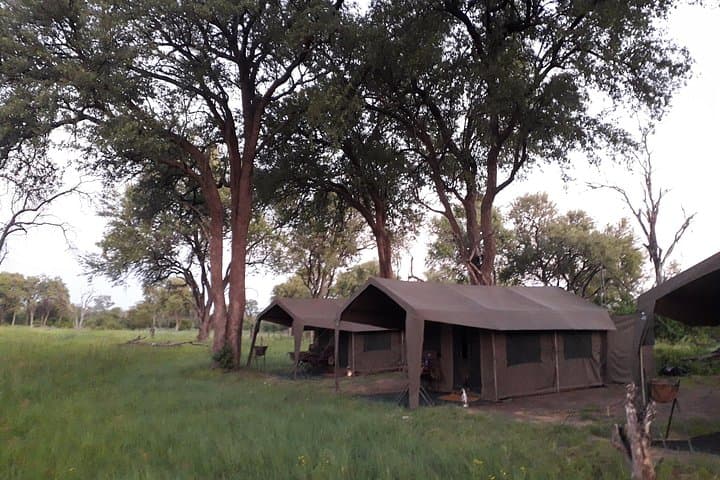
A private, serviced 8‑day safari from Maun into Moremi and Khwai that combines open-air game drives, optional mokoro excursions, and luxury tented camps with ensuite facilities. Ideal for photographers and wildlife seekers seeking concentrated sightings in the Okavango Delta.
A private, serviced 8‑day safari from Maun into Moremi and Khwai that combines open-air game drives, optional mokoro excursions, and luxury tented camps with ensuite facilities. Ideal for photographers and wildlife seekers seeking concentrated sightings in the Okavango Delta.
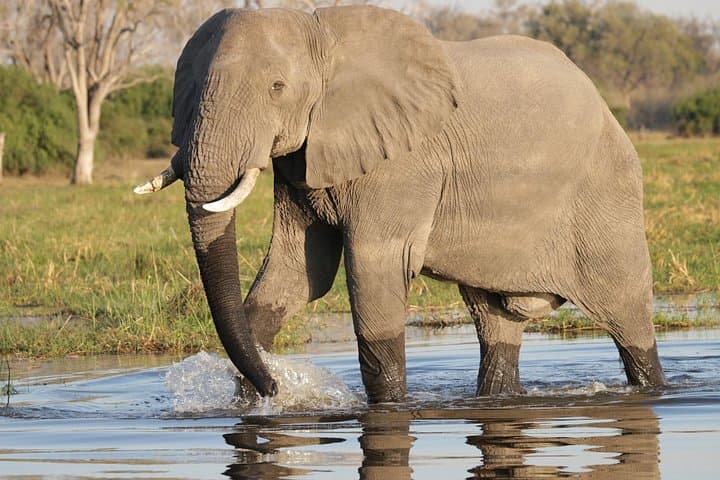
You step off the light charter onto a sunbaked strip and the Okavango opens: water channels glint like veins through reeds, elephants move like deliberate punctuation at the edge of the marsh.
Verified experiences and guided adventures in the surrounding area.
Operated by Wild For Game Safaris · Maun, North-West District
You step off the light charter onto a sunbaked strip and the Okavango opens: water channels glint like veins through reeds, elephants move like deliberate punctuation at the edge of the marsh.
This private, serviced camping safari runs from Maun into the Moremi Game Reserve and the Khwai Community Area, following seasonal floodplains, mopane woodlands, and river channels that define the delta’s shifting geography. The Okavango is an inland delta, fed from Angolan highlands; seasonal floods push life into places that look dry on satellite maps but teem in the wet months.
Moremi’s protected islands and riverine forests have been set aside since the 1960s to conserve resident wildlife; Khwai’s community lands reflect a living relationship between people and predators, where village-managed concessions open access to excellent game viewing.
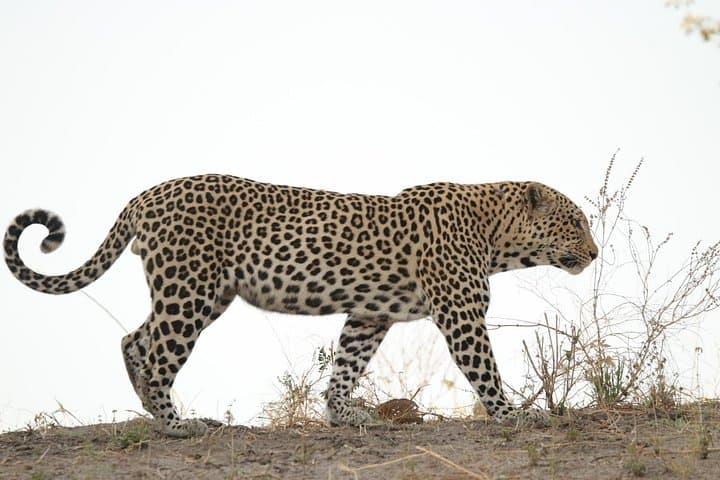
Expect mornings and evenings in customized open-air safari vehicles with canvas canopies for 360-degree photography, days tracking elephants, lions, wild dogs, hippo pools and reed-lined channels. One day offers a mokoro (poler) trip—water levels permitting—giving low-angle views of aquatic birds and lilies.
Practical edge: the trip is serviced and suitable for most fitness levels, but terrain is uneven and vehicles are open; bring layered clothing, good sun protection, and camera stabilization. Dry season (May–Oct) yields the best concentrated sightings; the rains (Nov–Apr) swell channels and increase mokoro opportunities while raising temps and insects. Guides run short safety briefings at every camp; follow their advice about distance to wildlife, and keep motions slow near predators. Hydrate, charge backup batteries, and plan for remote, low-connectivity days—this is photography-focused wilderness travel at full throttle.
No; the trip is fully serviced with professional drivers and guides who manage navigation, vehicle safety, and wildlife encounters.
No—mokoro excursions depend on channel water levels; if levels are low the operator substitutes guided game drives instead.
Standard travel vaccinations are advised and malaria prophylaxis is recommended for the Okavango Delta—consult your travel clinic well before departure.
Camps are remote with limited or no cellular service; expect low connectivity and rely on guide communications for logistics and emergencies.
Wild For Game Safaris operates guided outdoor trips and adventures with an emphasis on safety, stewardship, and memorable experiences.

You step off the light charter onto a sunbaked strip and the Okavango opens: water channels glint like veins through reeds, elephants move like deliberate punctuation at the edge of the marsh.
You step off the light charter onto a sunbaked strip and the Okavango opens: water channels glint like veins through reeds, elephants move like deliberate punctuation at the edge of the marsh.
This private, serviced camping safari runs from Maun into the Moremi Game Reserve and the Khwai Community Area, following seasonal floodplains, mopane woodlands, and river channels that define the delta’s shifting geography. The Okavango is an inland delta, fed from Angolan highlands; seasonal floods push life into places that look dry on satellite maps but teem in the wet months.
Moremi’s protected islands and riverine forests have been set aside since the 1960s to conserve resident wildlife; Khwai’s community lands reflect a living relationship between people and predators, where village-managed concessions open access to excellent game viewing.
Expect mornings and evenings in customized open-air safari vehicles with canvas canopies for 360-degree photography, days tracking elephants, lions, wild dogs, hippo pools and reed-lined channels. One day offers a mokoro (poler) trip—water levels permitting—giving low-angle views of aquatic birds and lilies.
Practical edge: the trip is serviced and suitable for most fitness levels, but terrain is uneven and vehicles are open; bring layered clothing, good sun protection, and camera stabilization. Dry season (May–Oct) yields the best concentrated sightings; the rains (Nov–Apr) swell channels and increase mokoro opportunities while raising temps and insects. Guides run short safety briefings at every camp; follow their advice about distance to wildlife, and keep motions slow near predators. Hydrate, charge backup batteries, and plan for remote, low-connectivity days—this is photography-focused wilderness travel at full throttle.