THE ADVENTURE COLLECTIVE® · Independent discovery and booking for outdoor travel
Eight days that move from Cairo’s monumental streets to the slow current of the Nile: pyramids, pharaonic tombs, and a deluxe four-night cruise between Luxor and Aswan. This itinerary balances iconic sites with practical travel logistics to make the most of limited time.
Eight days that move from Cairo’s monumental streets to the slow current of the Nile: pyramids, pharaonic tombs, and a deluxe four-night cruise between Luxor and Aswan. This itinerary balances iconic sites with practical travel logistics to make the most of limited time.
You step out of Cairo International into hot air that tastes of river and dust; a courier holds a sign with your name, and the city’s restless geometry—minarets, traffic, distant glass—pushes at the edges of your itinerary. Over the next eight days you trade city bustle for slow-water travel: flights to Luxor, temple courtyards wide as plazas, and four nights on a five-star Nile cruiser watching reeds and felucca wakes slide past.
Verified experiences and guided adventures in the surrounding area.
Operated by Live Egypt · Cairo, Cairo Governorate
You step out of Cairo International into hot air that tastes of river and dust; a courier holds a sign with your name, and the city’s restless geometry—minarets, traffic, distant glass—pushes at the edges of your itinerary. Over the next eight days you trade city bustle for slow-water travel: flights to Luxor, temple courtyards wide as plazas, and four nights on a five-star Nile cruiser watching reeds and felucca wakes slide past.
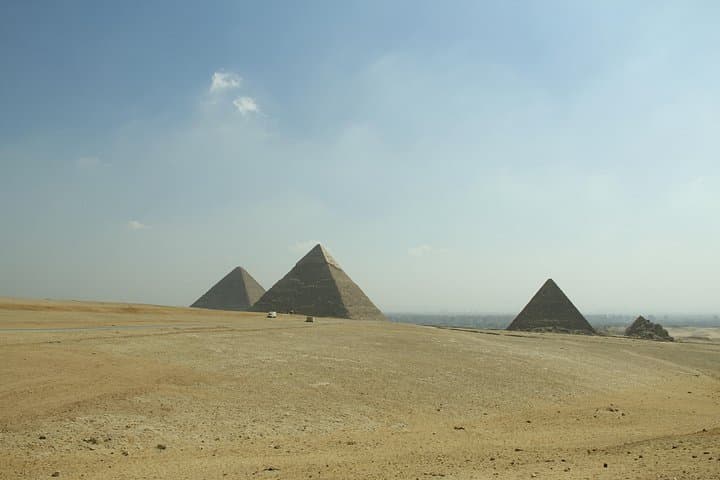
Egypt’s story is written in stone. The Giza plateau dates to c.2600 BCE; Luxor and Karnak sit atop millennia of temple-building and ritual, while the Valley of the Kings cuts royal afterlife into limestone. Geology matters: the Nile’s floodplain created the fertile corridor that sustained pharaonic states, and the sandstone and alabaster of southern temples differ from Giza’s limestone blocks.
Culture here is tactile—local guides decode hieroglyphs and ritual gestures, market vendors call across alleyways, and Nubian craft traditions persist near Aswan. Expect layered experiences: sunrise at Hatshepsut’s terraces, carved tomb walls close enough to trace, and a riverside rhythm on the cruise that slows time.
Practical guidance: carry a photocopy of passport, stay hydrated, and plan temple visits for cooler morning hours. Comfortable, closed-toe walking shoes and a hat are essential—many sites have uneven steps and loose sand. Respect restricted areas, follow guide instructions in tombs, and budget time for internal flights and transfers. This trip blends easy logistics with continuous cultural immersion—an orderly pace that lets the Nile dare you to look up and keep looking.
Yes—this itinerary includes internal flights between Cairo, Luxor and Aswan as listed in the trip inclusions.
The cruise is five-star and accessible in many areas, but some temple sites have uneven terrain; check wheelchair accessibility requirements in advance.
Abu Simbel is offered as a full-day optional excursion from Aswan—confirm timing and extra cost when booking.
The cruise runs on a full-board basis with international and Egyptian dishes; special dietary requests can usually be accommodated with notice.
Live Egypt operates guided outdoor trips and adventures with an emphasis on safety, stewardship, and memorable experiences.
You step out of Cairo International into hot air that tastes of river and dust; a courier holds a sign with your name, and the city’s restless geometry—minarets, traffic, distant glass—pushes at the edges of your itinerary. Over the next eight days you trade city bustle for slow-water travel: flights to Luxor, temple courtyards wide as plazas, and four nights on a five-star Nile cruiser watching reeds and felucca wakes slide past.
You step out of Cairo International into hot air that tastes of river and dust; a courier holds a sign with your name, and the city’s restless geometry—minarets, traffic, distant glass—pushes at the edges of your itinerary. Over the next eight days you trade city bustle for slow-water travel: flights to Luxor, temple courtyards wide as plazas, and four nights on a five-star Nile cruiser watching reeds and felucca wakes slide past.
Egypt’s story is written in stone. The Giza plateau dates to c.2600 BCE; Luxor and Karnak sit atop millennia of temple-building and ritual, while the Valley of the Kings cuts royal afterlife into limestone. Geology matters: the Nile’s floodplain created the fertile corridor that sustained pharaonic states, and the sandstone and alabaster of southern temples differ from Giza’s limestone blocks.
Culture here is tactile—local guides decode hieroglyphs and ritual gestures, market vendors call across alleyways, and Nubian craft traditions persist near Aswan. Expect layered experiences: sunrise at Hatshepsut’s terraces, carved tomb walls close enough to trace, and a riverside rhythm on the cruise that slows time.
Practical guidance: carry a photocopy of passport, stay hydrated, and plan temple visits for cooler morning hours. Comfortable, closed-toe walking shoes and a hat are essential—many sites have uneven steps and loose sand. Respect restricted areas, follow guide instructions in tombs, and budget time for internal flights and transfers. This trip blends easy logistics with continuous cultural immersion—an orderly pace that lets the Nile dare you to look up and keep looking.
