THE ADVENTURE COLLECTIVE® · Independent discovery and booking for outdoor travel
See Egypt’s essentials in eight intensive days: the Giza Plateau, Grand Egyptian Museum, a multi-day Nile cruise between Aswan and Luxor, and an early-morning visit to Abu Simbel. This trip pairs guided history with comfortable transfers, sleeper trains and a five-star cruise.
See Egypt’s essentials in eight intensive days: the Giza Plateau, Grand Egyptian Museum, a multi-day Nile cruise between Aswan and Luxor, and an early-morning visit to Abu Simbel. This trip pairs guided history with comfortable transfers, sleeper trains and a five-star cruise.
Dawn in Cairo arrives with a city that hums and the Nile already moving like a long, deliberate thought. Travelers begin at the Giza Plateau—stone faces and angled chambers that strip time down to labor and geometry—then thread through Coptic lanes, Ottoman courtyards and the new galleries of the Grand Egyptian Museum.
Verified experiences and guided adventures in the surrounding area.
Operated by Pyramids Planet Tours · Cairo, Cairo Governorate
Dawn in Cairo arrives with a city that hums and the Nile already moving like a long, deliberate thought. Travelers begin at the Giza Plateau—stone faces and angled chambers that strip time down to labor and geometry—then thread through Coptic lanes, Ottoman courtyards and the new galleries of the Grand Egyptian Museum.
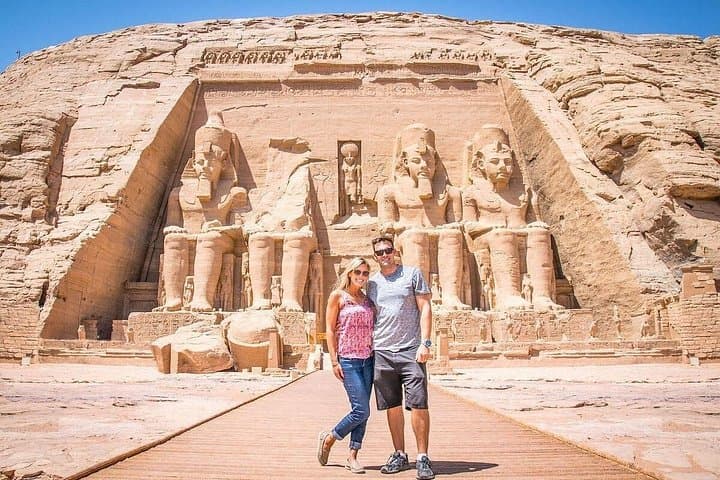
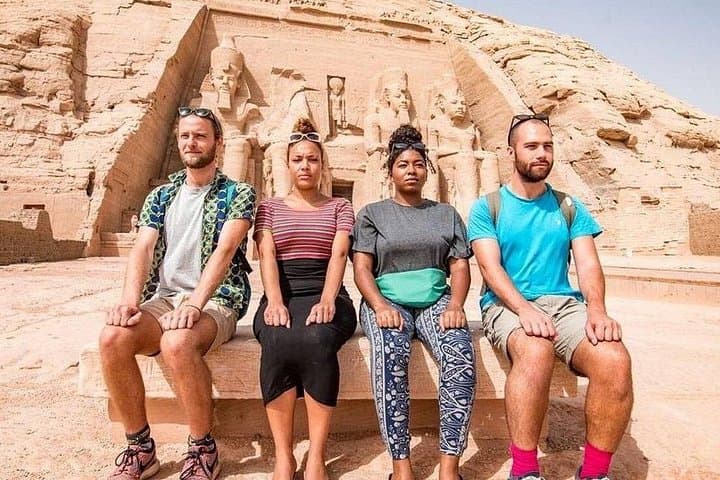
The route follows history: Pharaonic power focused along the Nile, temples raised where stone met water, and in the 1960s a modern engineering choice—the Aswan High Dam—redirected the river’s flow and forced the relocation of Abu Simbel’s colossal statues to higher ground. Geology matters here; the soft Nile silt and hard sandstone shaped how and where ancient builders worked.
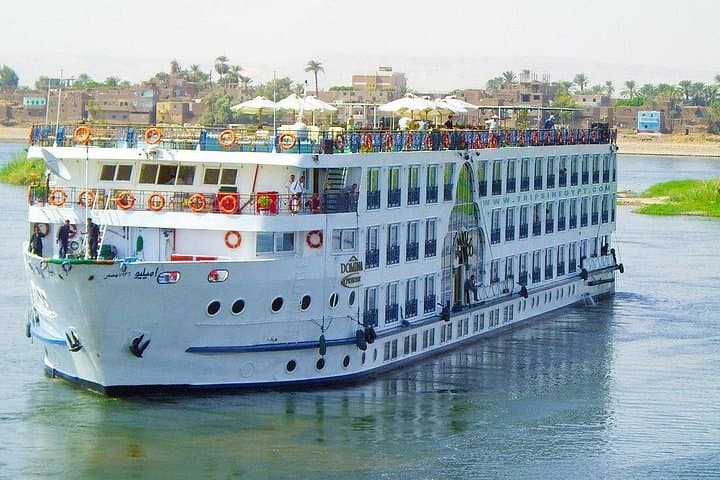
Onboard a five-star Nile cruise the river becomes landscape and transport, carrying passengers past palm-lined banks, small farmed islands and temple pylons that still face east toward light. Aswan’s compact temples offer a quieter scale; Luxor’s East and West Banks compound the spectacle—Karnak’s avenue of columns, the Valley of the Kings’ painted tombs.
Practicalities: expect early departures (Abu Simbel often leaves before sunrise), two overnight sleeper-train segments, and compact but steady walking at monuments (stairs, uneven stone). Carry local currency for tips and small purchases, stay hydrated under strong sun, and allow time between transfers—the itinerary is full but engineered to cover Egypt’s core highlights in eight efficient days.
Yes—there is a guided day trip to Abu Simbel, typically starting very early (around 4:30 AM) to avoid heat and crowds; confirm exact timing at booking.
Many nationalities require a visa on arrival or an e-visa—check Egypt’s official visa guidance well before travel and carry passport copies.
The tour is moderately paced: long days, transfers, and walking on uneven surfaces and steps; no technical skills required but general mobility is necessary.
Balloon flights are optional and weather-dependent—operators may cancel for safety; book early if important to your plans.
Pyramids Planet Tours operates guided outdoor trips and adventures with an emphasis on safety, stewardship, and memorable experiences.
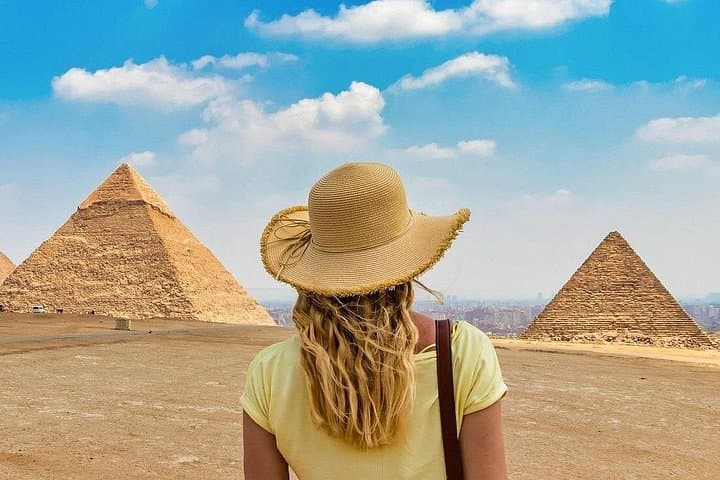
Dawn in Cairo arrives with a city that hums and the Nile already moving like a long, deliberate thought. Travelers begin at the Giza Plateau—stone faces and angled chambers that strip time down to labor and geometry—then thread through Coptic lanes, Ottoman courtyards and the new galleries of the Grand Egyptian Museum.
Dawn in Cairo arrives with a city that hums and the Nile already moving like a long, deliberate thought. Travelers begin at the Giza Plateau—stone faces and angled chambers that strip time down to labor and geometry—then thread through Coptic lanes, Ottoman courtyards and the new galleries of the Grand Egyptian Museum.
The route follows history: Pharaonic power focused along the Nile, temples raised where stone met water, and in the 1960s a modern engineering choice—the Aswan High Dam—redirected the river’s flow and forced the relocation of Abu Simbel’s colossal statues to higher ground. Geology matters here; the soft Nile silt and hard sandstone shaped how and where ancient builders worked.
Onboard a five-star Nile cruise the river becomes landscape and transport, carrying passengers past palm-lined banks, small farmed islands and temple pylons that still face east toward light. Aswan’s compact temples offer a quieter scale; Luxor’s East and West Banks compound the spectacle—Karnak’s avenue of columns, the Valley of the Kings’ painted tombs.
Practicalities: expect early departures (Abu Simbel often leaves before sunrise), two overnight sleeper-train segments, and compact but steady walking at monuments (stairs, uneven stone). Carry local currency for tips and small purchases, stay hydrated under strong sun, and allow time between transfers—the itinerary is full but engineered to cover Egypt’s core highlights in eight efficient days.
