THE ADVENTURE COLLECTIVE® · Independent discovery and booking for outdoor travel

Move from the Pyramids to the Nile in eight days: Cairo’s monuments, a five-star Nile cruise, sunrise ballooning over Luxor, and a guided visit to Abu Simbel. Practical tips for timing, gear, and what to expect on each leg.
Move from the Pyramids to the Nile in eight days: Cairo’s monuments, a five-star Nile cruise, sunrise ballooning over Luxor, and a guided visit to Abu Simbel. Practical tips for timing, gear, and what to expect on each leg.
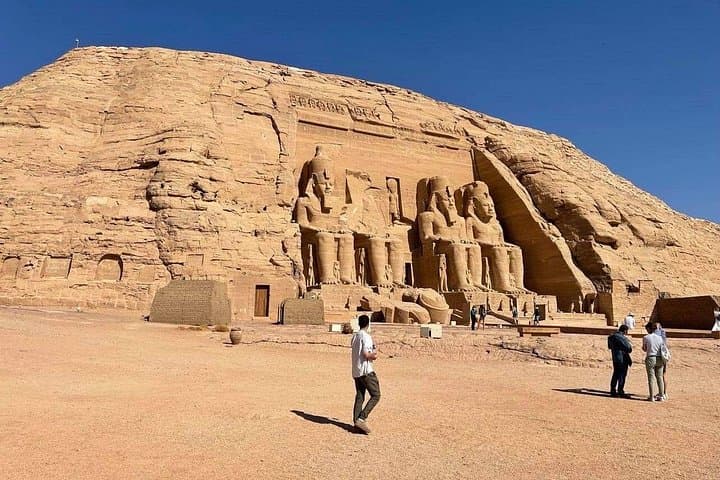
You step out into Cairo at dusk and the city hums—taxis, faint calls to prayer, and the silhouette of the Great Pyramid insisting on attention. Over the next eight days you move downriver through time: a five-star Nile cruise slipping north from Aswan to Luxor, a dawn hot-air balloon lifting you slowly above the Valley of the Kings, and an early-morning pilgrimage to the colossal façades of Abu Simbel.
Verified experiences and guided adventures in the surrounding area.
Operated by Show You Egypt · Cairo, Cairo Governorate
You step out into Cairo at dusk and the city hums—taxis, faint calls to prayer, and the silhouette of the Great Pyramid insisting on attention. Over the next eight days you move downriver through time: a five-star Nile cruise slipping north from Aswan to Luxor, a dawn hot-air balloon lifting you slowly above the Valley of the Kings, and an early-morning pilgrimage to the colossal façades of Abu Simbel.
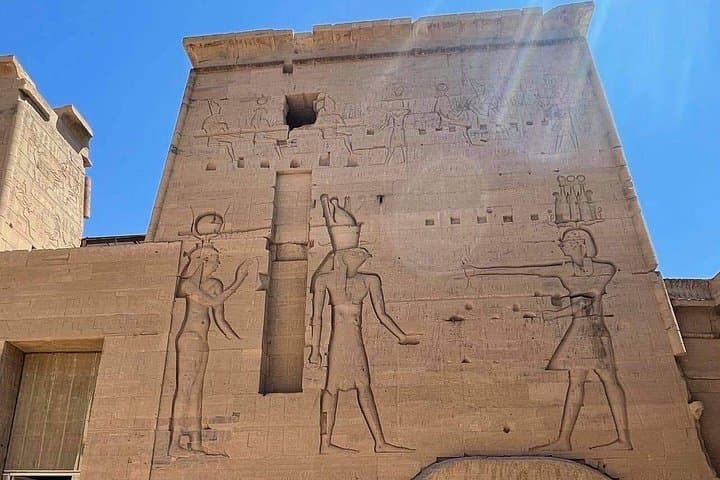
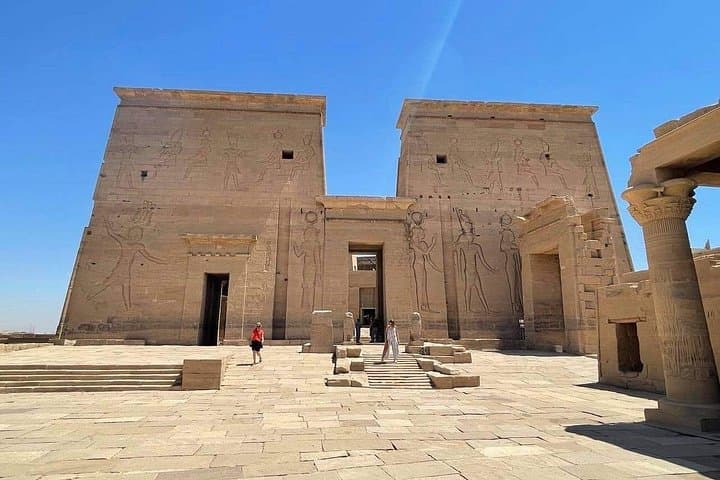
Egypt’s landscape is a study in contrast: the Nile’s ribbon of fertility carves arable land through an otherwise arid desert, creating pockets of palm, temple complexes, and millennia-old settlements. The monuments you’ll see reflect layers of history—Pharaonic mortuary temples, Greco-Roman additions around Luxor and Karnak, and modern engineering like the Aswan High Dam that reshaped the river and led to the relocation of Abu Simbel.
Culturally, expect attentive guides, markets that reward patience, and strong local traditions of hospitality. Geologically, the region is primarily Nile alluvium and exposed sandstone where temples were hewn.
Practical guidance: plan early starts (balloon flights and temple tours are at dawn), bring sun protection and sturdy closed-toe shoes for uneven temple steps, and carry photocopies of your passport for museum and cruise checks. Hydrate—Egypt’s dry heat can be deceptive—and budget time for security lines at major sites. If you’re taking overnight trains, pack a small lock and an eye mask for comfort. Finally, tiping is customary for guides, drivers and ship staff; carrying small notes in local currency is helpful.
This itinerary balances relaxed cruising with short, intense site visits—an approachable but full-picture run through ancient Egypt’s most magnetic places.
Many nationalities require a visa for Egypt; check current embassy requirements or obtain an e-visa before travel.
Balloon operators typically accept a wide age range but check with the provider for specific restrictions; mobility issues can make landings difficult.
The cruise covers roughly 200–250 km along the Nile and usually takes three nights, with scheduled stops at temples such as Kom Ombo and Edfu.
Yes—Abu Simbel is commonly visited as a guided day trip from Aswan, with an early start and return by late afternoon.
Show You Egypt operates guided outdoor trips and adventures with an emphasis on safety, stewardship, and memorable experiences.
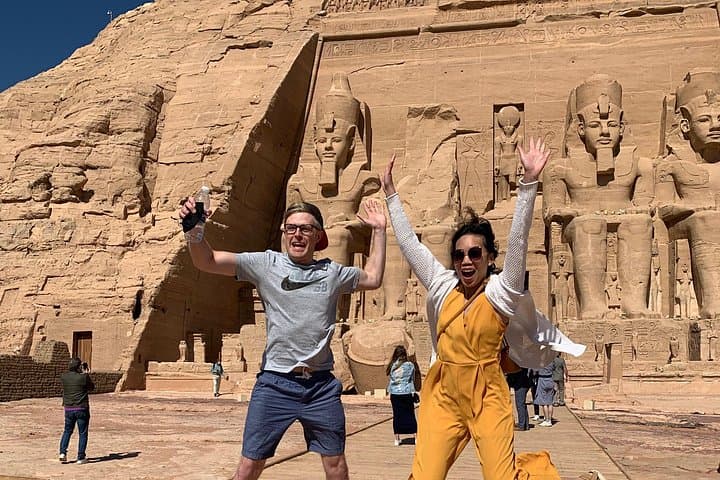
You step out into Cairo at dusk and the city hums—taxis, faint calls to prayer, and the silhouette of the Great Pyramid insisting on attention. Over the next eight days you move downriver through time: a five-star Nile cruise slipping north from Aswan to Luxor, a dawn hot-air balloon lifting you slowly above the Valley of the Kings, and an early-morning pilgrimage to the colossal façades of Abu Simbel.
You step out into Cairo at dusk and the city hums—taxis, faint calls to prayer, and the silhouette of the Great Pyramid insisting on attention. Over the next eight days you move downriver through time: a five-star Nile cruise slipping north from Aswan to Luxor, a dawn hot-air balloon lifting you slowly above the Valley of the Kings, and an early-morning pilgrimage to the colossal façades of Abu Simbel.
Egypt’s landscape is a study in contrast: the Nile’s ribbon of fertility carves arable land through an otherwise arid desert, creating pockets of palm, temple complexes, and millennia-old settlements. The monuments you’ll see reflect layers of history—Pharaonic mortuary temples, Greco-Roman additions around Luxor and Karnak, and modern engineering like the Aswan High Dam that reshaped the river and led to the relocation of Abu Simbel.
Culturally, expect attentive guides, markets that reward patience, and strong local traditions of hospitality. Geologically, the region is primarily Nile alluvium and exposed sandstone where temples were hewn.
Practical guidance: plan early starts (balloon flights and temple tours are at dawn), bring sun protection and sturdy closed-toe shoes for uneven temple steps, and carry photocopies of your passport for museum and cruise checks. Hydrate—Egypt’s dry heat can be deceptive—and budget time for security lines at major sites. If you’re taking overnight trains, pack a small lock and an eye mask for comfort. Finally, tiping is customary for guides, drivers and ship staff; carrying small notes in local currency is helpful.
This itinerary balances relaxed cruising with short, intense site visits—an approachable but full-picture run through ancient Egypt’s most magnetic places.