THE ADVENTURE COLLECTIVE® · Independent discovery and booking for outdoor travel

Trace Egypt’s major eras in eight days: Giza’s pyramids, Luxor’s royal tombs and a leisurely Nile cruise between ancient temples. This itinerary pairs concentrated archaeology with comfortable transfers and resort time on the Red Sea.
Trace Egypt’s major eras in eight days: Giza’s pyramids, Luxor’s royal tombs and a leisurely Nile cruise between ancient temples. This itinerary pairs concentrated archaeology with comfortable transfers and resort time on the Red Sea.
Morning light hits the Giza plateau and the stones hum with age — your first taste of Egypt is a dry wind and the silhouette of the Great Pyramid cutting the horizon. Over eight days you move from the packed grandeur of Cairo to the slow current of the Nile, slipping between temples and desert, markets and sea.
Verified experiences and guided adventures in the surrounding area.
Operated by Egypt Holiday Makers Travel · Giza, Cairo Governorate
Morning light hits the Giza plateau and the stones hum with age — your first taste of Egypt is a dry wind and the silhouette of the Great Pyramid cutting the horizon. Over eight days you move from the packed grandeur of Cairo to the slow current of the Nile, slipping between temples and desert, markets and sea.
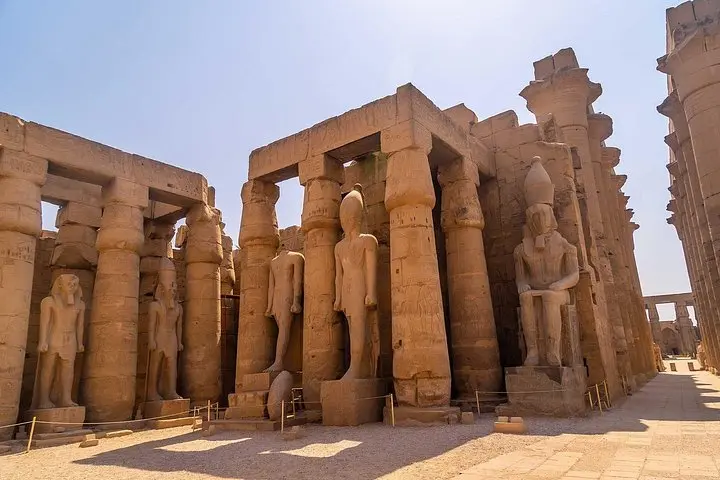
This route threads together millennia: Memphis and Saqqara speak to Old Kingdom administration and stepped-pyramid experiments; Luxor and the Valley of the Kings expose New Kingdom funerary ritual and colossal masonry; Kom Ombo’s paired shrines recall local cults and crocodile worship. Geology shapes what you see — soft limestone beds allowed sculptors to carve massive blocks while the Nile’s annual flood historically nourished the floodplain that made ancient Egyptian civilization possible. Alexandria adds a later classical layer: Hellenistic, Roman and medieval footprints on the Mediterranean coast.
Practically, expect early starts, multiple regional transfers (private van, sleeper train, domestic flight) and three nights on a 5-star Nile cruise where cabins are compact and days are paced around temple visits. Walks involve uneven stone, stairs and dusty paths — bring sun protection, a refillable bottle, and sturdy shoes. Respect prayer times and modest dress in religious sites; buy tickets in advance for peak-season entries, and budget for guide and boat crew tips. Pace yourself: hydrate, move slowly in the midday heat, and use dawn and late afternoon for the largest sites to avoid both crowds and the high sun.
Most major sites listed in the itinerary are included, but some optional excursions (e.g., Abu Simbel) and certain entrance fees may be excluded — check your booking details.
The tour is rated accessible to most travelers but involves sustained walking on uneven surfaces and stairs; choose comfortable footwear and pace activities if you have mobility concerns.
Sleeper trains provide basic private berths with meals included on some segments; they are functional and an efficient way to cover long distances but not luxury accommodation.
Many nationalities require a visa to enter Egypt; check current visa rules and obtain one before travel or upon arrival if eligible for a visa-on-arrival option.
Egypt Holiday Makers Travel operates guided outdoor trips and adventures with an emphasis on safety, stewardship, and memorable experiences.
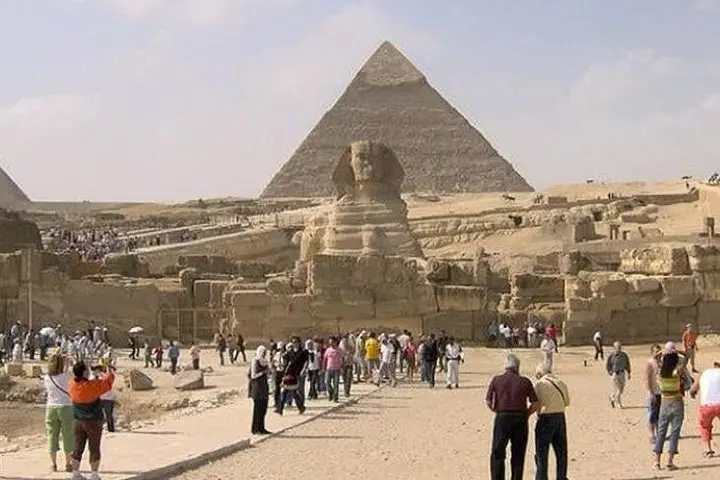
Morning light hits the Giza plateau and the stones hum with age — your first taste of Egypt is a dry wind and the silhouette of the Great Pyramid cutting the horizon. Over eight days you move from the packed grandeur of Cairo to the slow current of the Nile, slipping between temples and desert, markets and sea.
Morning light hits the Giza plateau and the stones hum with age — your first taste of Egypt is a dry wind and the silhouette of the Great Pyramid cutting the horizon. Over eight days you move from the packed grandeur of Cairo to the slow current of the Nile, slipping between temples and desert, markets and sea.
This route threads together millennia: Memphis and Saqqara speak to Old Kingdom administration and stepped-pyramid experiments; Luxor and the Valley of the Kings expose New Kingdom funerary ritual and colossal masonry; Kom Ombo’s paired shrines recall local cults and crocodile worship. Geology shapes what you see — soft limestone beds allowed sculptors to carve massive blocks while the Nile’s annual flood historically nourished the floodplain that made ancient Egyptian civilization possible. Alexandria adds a later classical layer: Hellenistic, Roman and medieval footprints on the Mediterranean coast.
Practically, expect early starts, multiple regional transfers (private van, sleeper train, domestic flight) and three nights on a 5-star Nile cruise where cabins are compact and days are paced around temple visits. Walks involve uneven stone, stairs and dusty paths — bring sun protection, a refillable bottle, and sturdy shoes. Respect prayer times and modest dress in religious sites; buy tickets in advance for peak-season entries, and budget for guide and boat crew tips. Pace yourself: hydrate, move slowly in the midday heat, and use dawn and late afternoon for the largest sites to avoid both crowds and the high sun.