THE ADVENTURE COLLECTIVE® · Independent discovery and booking for outdoor travel

Move from Cairo’s ancient streets to the slow pulse of the Nile on this 8-day loop: pyramids, a three-night Nile cruise, hot-air balloon over Luxor and the relocated temples at Abu Simbel. Practical, paced, and rich in history — this itinerary blends iconic sites with riverborne calm.
Move from Cairo’s ancient streets to the slow pulse of the Nile on this 8-day loop: pyramids, a three-night Nile cruise, hot-air balloon over Luxor and the relocated temples at Abu Simbel. Practical, paced, and rich in history — this itinerary blends iconic sites with riverborne calm.
Dust from the desert lifts as your transfer threads from Cairo Airport toward the Giza plateau — the pyramids stand like slow-breathed monuments, patient and enormous. Days unfold from the bustle of Cairo to the slow current of the Nile: three nights aboard a full-board cruise between Aswan and Luxor, dawn balloon flights over the West Bank, temple visits that move you from carved stone to late-night train compartments rolling across the Delta.
Verified experiences and guided adventures in the surrounding area.
Operated by Egypt Travel Line · Cairo, Cairo Governorate
Dust from the desert lifts as your transfer threads from Cairo Airport toward the Giza plateau — the pyramids stand like slow-breathed monuments, patient and enormous. Days unfold from the bustle of Cairo to the slow current of the Nile: three nights aboard a full-board cruise between Aswan and Luxor, dawn balloon flights over the West Bank, temple visits that move you from carved stone to late-night train compartments rolling across the Delta.
This loop threads core Egyptian history and geology. The Nile carved the fertile ribbon that supported pharaonic civilization; temples at Karnak, Luxor, Edfu and Kom Ombo show successive layers of art and power, while Abu Simbel — painstakingly relocated in the 1960s to save it from the High Dam’s rising waters — demonstrates modern engineering meeting ancient ambition. Aswan’s granite quarries and the High Dam explain the landscape’s modern contours; Luxor’s Valley of the Kings drops into limestone strata where tombs were cut deep into the earth.
Expect long sightseeing days with short, intense bursts of walking on uneven stone and sandy approaches; the hot air balloon is an early-morning, low-effort thrill if weather allows. Practical steps: carry sun protection and water, wear sturdy shoes for temple surfaces, bring local cash for tips and small purchases, and keep a passport copy handy. Book the balloon early and plan train segments with buffer time — trains and cruise schedules can shift. This is cultural adventure with measured physical demand: a travel rhythm that advances in sunrise and river miles, where the Nile keeps daring you to look farther downstream.
No — international flights to Cairo are not included; the itinerary begins at Cairo Airport and transfers are arranged from that arrival point.
Many nationalities require a visa for Egypt. Check current visa rules for your passport — some travelers can obtain an e-visa or visa on arrival before departure.
The operator lists wheelchair-accessible elements (transfers and some surfaces), but many temple sites and tombs have steps or narrow passages — contact the operator to discuss specific accessibility needs.
Balloon flights are weather-dependent; operators typically reschedule when possible, but if a cancellation is final, refunds or alternative mornings vary by provider.
Egypt Travel Line operates guided outdoor trips and adventures with an emphasis on safety, stewardship, and memorable experiences.

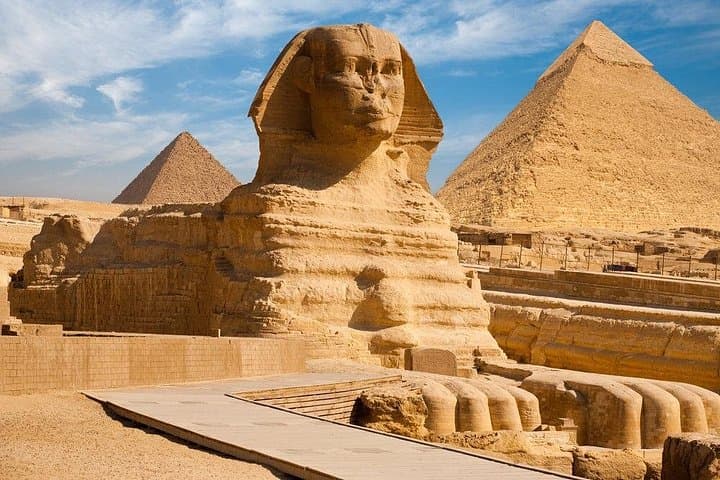
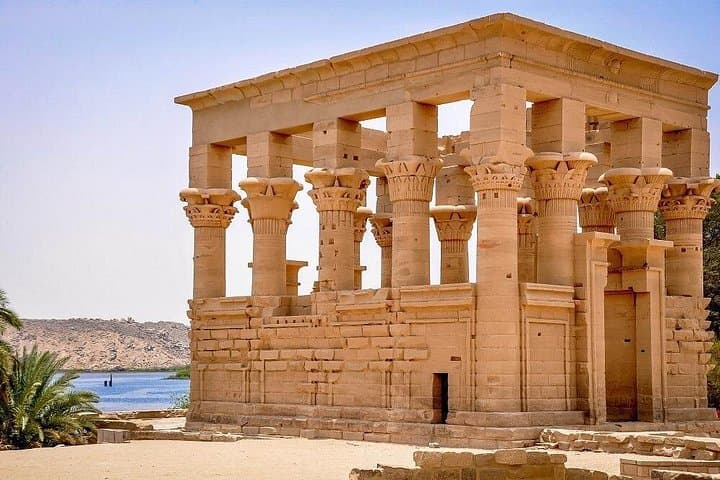
Dust from the desert lifts as your transfer threads from Cairo Airport toward the Giza plateau — the pyramids stand like slow-breathed monuments, patient and enormous. Days unfold from the bustle of Cairo to the slow current of the Nile: three nights aboard a full-board cruise between Aswan and Luxor, dawn balloon flights over the West Bank, temple visits that move you from carved stone to late-night train compartments rolling across the Delta.
Dust from the desert lifts as your transfer threads from Cairo Airport toward the Giza plateau — the pyramids stand like slow-breathed monuments, patient and enormous. Days unfold from the bustle of Cairo to the slow current of the Nile: three nights aboard a full-board cruise between Aswan and Luxor, dawn balloon flights over the West Bank, temple visits that move you from carved stone to late-night train compartments rolling across the Delta.
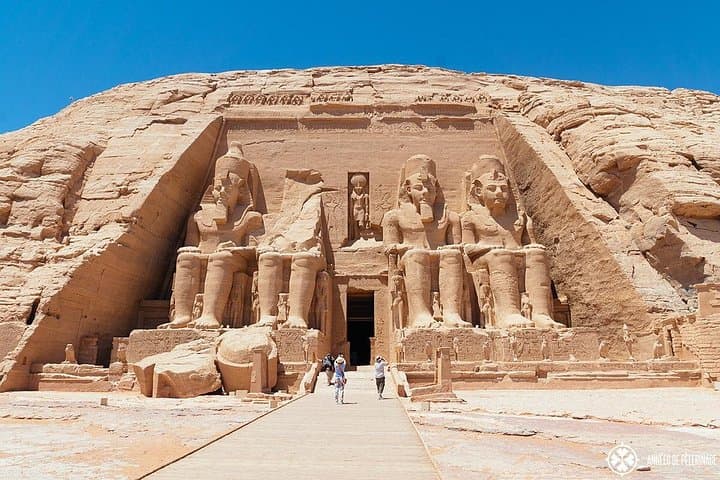
This loop threads core Egyptian history and geology. The Nile carved the fertile ribbon that supported pharaonic civilization; temples at Karnak, Luxor, Edfu and Kom Ombo show successive layers of art and power, while Abu Simbel — painstakingly relocated in the 1960s to save it from the High Dam’s rising waters — demonstrates modern engineering meeting ancient ambition. Aswan’s granite quarries and the High Dam explain the landscape’s modern contours; Luxor’s Valley of the Kings drops into limestone strata where tombs were cut deep into the earth.
Expect long sightseeing days with short, intense bursts of walking on uneven stone and sandy approaches; the hot air balloon is an early-morning, low-effort thrill if weather allows. Practical steps: carry sun protection and water, wear sturdy shoes for temple surfaces, bring local cash for tips and small purchases, and keep a passport copy handy. Book the balloon early and plan train segments with buffer time — trains and cruise schedules can shift. This is cultural adventure with measured physical demand: a travel rhythm that advances in sunrise and river miles, where the Nile keeps daring you to look farther downstream.