THE ADVENTURE COLLECTIVE® · Independent discovery and booking for outdoor travel

An eight-day loop from Cairo to the Nile blends the must-see monuments — Giza, Abu Simbel, Karnak — with three nights aboard a Nile cruise. Expect guided archaeology, domestic flights, and sunrise over pharaonic temples.
An eight-day loop from Cairo to the Nile blends the must-see monuments — Giza, Abu Simbel, Karnak — with three nights aboard a Nile cruise. Expect guided archaeology, domestic flights, and sunrise over pharaonic temples.
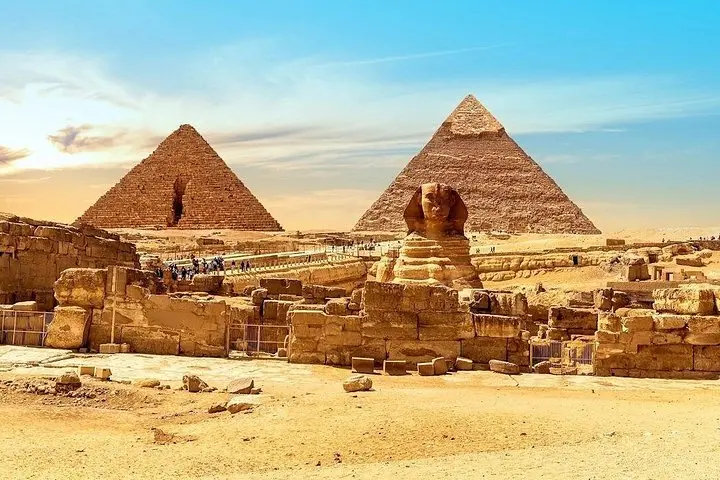
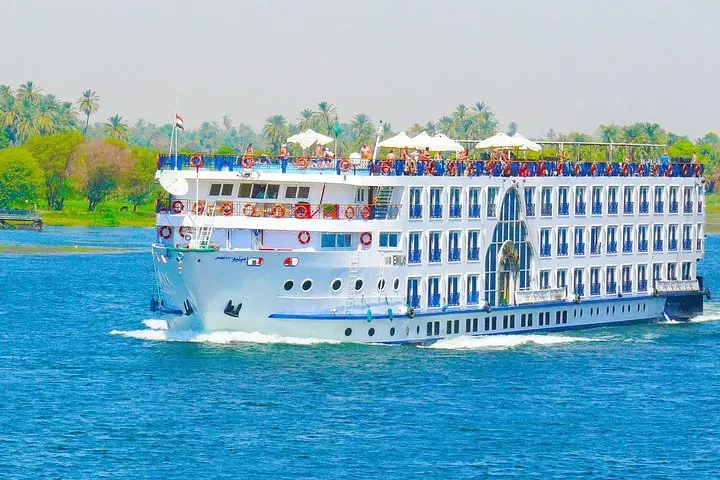
Morning light fractures across the Giza plateau as guides usher small groups past stone giants; later, the Nile takes over, its slow current nudging a three-night cruise from Aswan toward Luxor. This multi-day circuit stitches Cairo’s urban heat and market alleys to the river’s palm-lined calm and temples carved from living rock.
Verified experiences and guided adventures in the surrounding area.
Operated by Go Tours Egypt · Cairo, Cairo Governorate
Morning light fractures across the Giza plateau as guides usher small groups past stone giants; later, the Nile takes over, its slow current nudging a three-night cruise from Aswan toward Luxor. This multi-day circuit stitches Cairo’s urban heat and market alleys to the river’s palm-lined calm and temples carved from living rock.
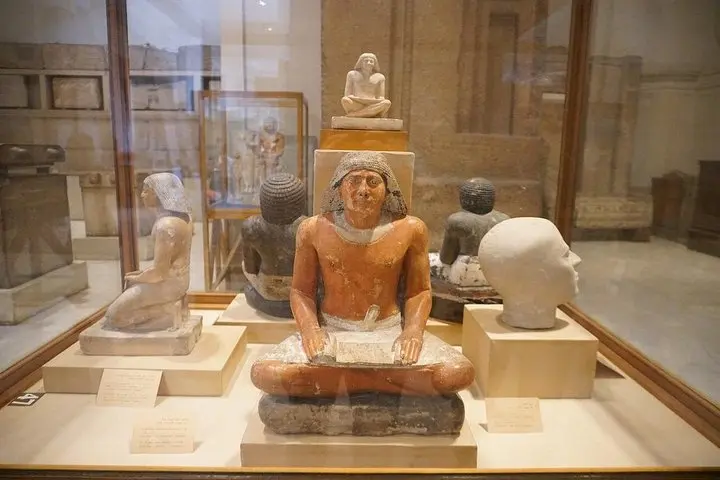
The trip threads millennia: Old Kingdom pyramids at Giza, New Kingdom tombs in the Valley of the Kings, and Ramses II’s façade at Abu Simbel cut into Nubian sandstone. Geology is visible—Pharaonic monuments hewn from limestone and Aswan’s pink granite—while the High Dam, a 20th-century intervention, reshaped the floodplain and created Lake Nasser, altering both archaeology and ecology.
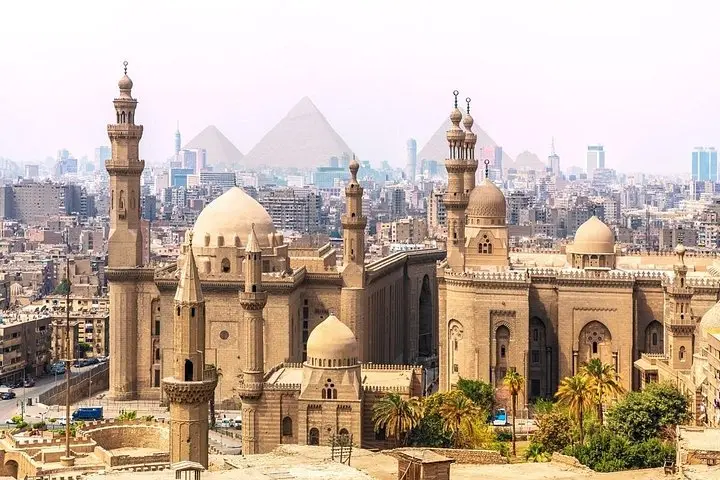
Culturally, expect layered influences—Pharaonic ritual sites, medieval Islamic citadels, and the bustling souks that sell spices, copperware, and handwoven textiles. Egyptologists typically narrate context at each stop, keeping facts precise and approachable.
Practical guidance: schedule temple visits early to avoid midday heat; most walking is on paved or compacted surfaces with uneven steps at ancient sites. Domestic flights are included between Cairo, Aswan, and Luxor; bring copies of travel documents and local currency for tips and small purchases. Sun protection, a reusable water bottle, and comfortable closed-toe shoes matter more here than technical gear. For a fuller experience, book the optional Luxor hot-air balloon at dawn and plan rest between long transfer days. Pack light, plan for early mornings, and let the Nile’s slow rhythm set the pace of your exploration.
Yes — domestic flights Cairo–Aswan and Luxor–Cairo are included in the itinerary.
Yes — three nights on a full-board Nile cruise are included, with meals provided aboard the ship.
Yes — the hot-air balloon is offered as an optional early-morning activity and is booked separately or through the operator when available.
Most nationalities require a tourist visa for Egypt; check current embassy guidance and obtain the visa before travel or at arrival where applicable.
Go Tours Egypt operates guided outdoor trips and adventures with an emphasis on safety, stewardship, and memorable experiences.
Morning light fractures across the Giza plateau as guides usher small groups past stone giants; later, the Nile takes over, its slow current nudging a three-night cruise from Aswan toward Luxor. This multi-day circuit stitches Cairo’s urban heat and market alleys to the river’s palm-lined calm and temples carved from living rock.
Morning light fractures across the Giza plateau as guides usher small groups past stone giants; later, the Nile takes over, its slow current nudging a three-night cruise from Aswan toward Luxor. This multi-day circuit stitches Cairo’s urban heat and market alleys to the river’s palm-lined calm and temples carved from living rock.
The trip threads millennia: Old Kingdom pyramids at Giza, New Kingdom tombs in the Valley of the Kings, and Ramses II’s façade at Abu Simbel cut into Nubian sandstone. Geology is visible—Pharaonic monuments hewn from limestone and Aswan’s pink granite—while the High Dam, a 20th-century intervention, reshaped the floodplain and created Lake Nasser, altering both archaeology and ecology.
Culturally, expect layered influences—Pharaonic ritual sites, medieval Islamic citadels, and the bustling souks that sell spices, copperware, and handwoven textiles. Egyptologists typically narrate context at each stop, keeping facts precise and approachable.
Practical guidance: schedule temple visits early to avoid midday heat; most walking is on paved or compacted surfaces with uneven steps at ancient sites. Domestic flights are included between Cairo, Aswan, and Luxor; bring copies of travel documents and local currency for tips and small purchases. Sun protection, a reusable water bottle, and comfortable closed-toe shoes matter more here than technical gear. For a fuller experience, book the optional Luxor hot-air balloon at dawn and plan rest between long transfer days. Pack light, plan for early mornings, and let the Nile’s slow rhythm set the pace of your exploration.