THE ADVENTURE COLLECTIVE® · Independent discovery and booking for outdoor travel

An eight-day loop through Santa Cruz, Isabela and San Cristóbal that balances close wildlife encounters with active snorkeling, short hikes and island history. Expect dawn ferries, reef snorkeling, giant tortoises and volcanic panoramas.
An eight-day loop through Santa Cruz, Isabela and San Cristóbal that balances close wildlife encounters with active snorkeling, short hikes and island history. Expect dawn ferries, reef snorkeling, giant tortoises and volcanic panoramas.
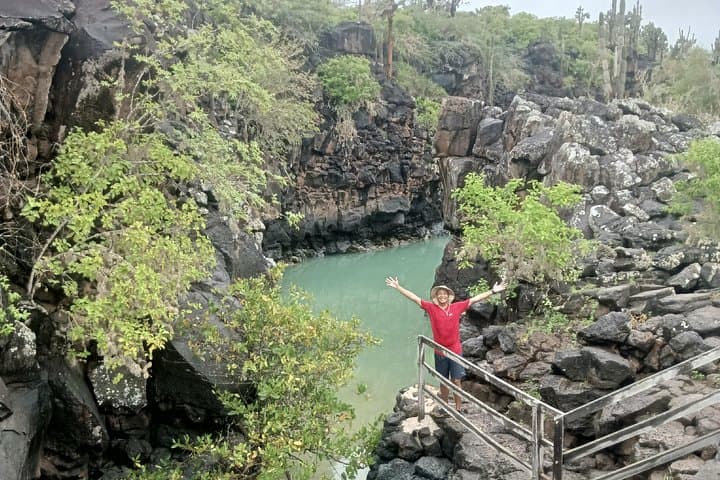
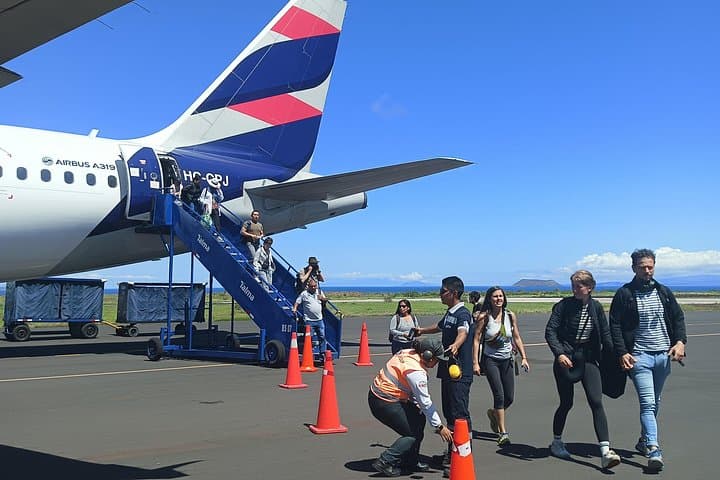
You step off the ferry into a sun-scraped port where sea lions treat the pier like a living room and frigatebirds wheel, indifferent, above. The air tastes faintly of salt and volcanic rock; trails radiate from Puerto Ayora into low scrub and black lava, while the ocean, never still, nudges at the islands’ edges as if testing new shorelines. Over the next eight days the archipelago reveals itself in chapters—highland lagoons, basalt cliffs, snorkeling cenotes alive with color, and quiet coves where giant tortoises munch without concern.
Verified experiences and guided adventures in the surrounding area.
Operated by Perfect Destiny · Puerto Ayora, Galápagos
You step off the ferry into a sun-scraped port where sea lions treat the pier like a living room and frigatebirds wheel, indifferent, above. The air tastes faintly of salt and volcanic rock; trails radiate from Puerto Ayora into low scrub and black lava, while the ocean, never still, nudges at the islands’ edges as if testing new shorelines. Over the next eight days the archipelago reveals itself in chapters—highland lagoons, basalt cliffs, snorkeling cenotes alive with color, and quiet coves where giant tortoises munch without concern.
The Galápagos remain a living laboratory of evolution. Charles Darwin’s visit in 1835 began a chain of scientific attention that reshaped biology, and many of the places on this itinerary—Charles Darwin Research Station, tortoise breeding centers, and the volcanic stacks at Kicker Rock—are as significant for conservation as they are for spectacle. Geologically young and shaped by hotspot volcanism, the islands’ black lava flows and tuff cones give way to white coral sand beaches and turquoise channels; it’s a landscape where ocean and stone argue and then come to terms.
Human history here is compact and complicated: whalers, pirates and settlers left footprints alongside scientific explorers, and small communities on Santa Cruz and San Cristóbal keep that layered story alive in local food, craft markets and the modest restaurants of Puerto Ayora and Puerto Baquerizo Moreno.
Practically speaking, this is an active, itinerary-driven trip. Days begin early—ferries at dawn, boat rides to islets like Tintoreras and Pinzón, and snorkeling windows timed for calm currents. Walks across Playa de los Perros and short highland treks at El Junco are low in elevation but rich in exposure; expect uneven volcanic rock, sandy trails and occasional muddy patches after rain.
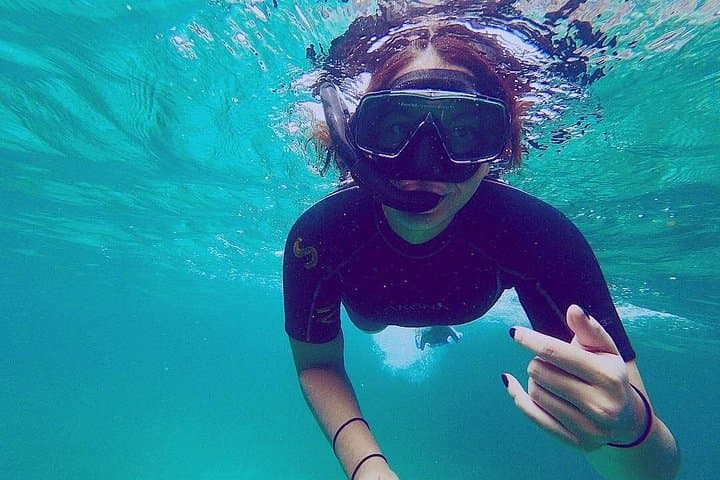
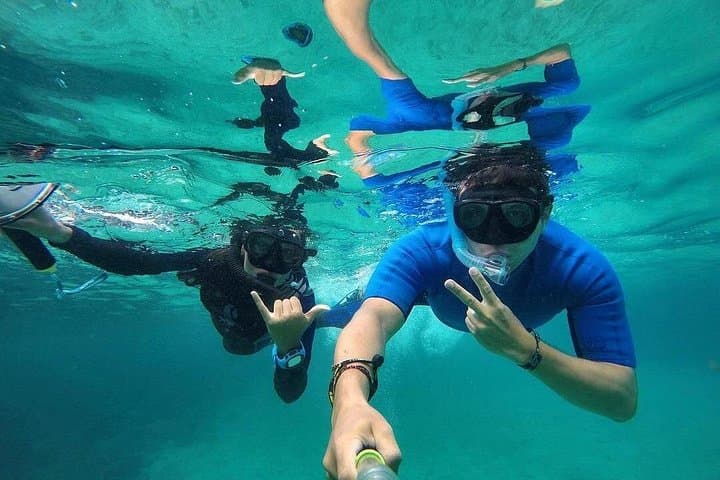
Plan for sun, spray and movement. Wear sturdy sandals or trail shoes for shore landings, bring a reef-safe sunscreen and a light rain shell for sudden showers. If snorkeling makes you nervous, take a practice session in Puerto Ayora—the currents can be insistent but also generous with marine life when you respect them. Wetsuits are not included, so reserve a rental early if you prefer one for longer swims.
Conservation informs every moment: stay on marked trails, carry reusable water, and then watch—because when a marine iguana basks and a giant tortoise trundles by, the archipelago reminds you why it is protected. For travelers who want an island-by-island primer on Galápagos ecology, geology and human stories, this eight-day loop through Santa Cruz, Isabela and San Cristóbal is a compact but substantive way to leave with a deeper understanding—and memories that are as bright as the reef itself.
No. Entrance fees and some local taxes or sea taxis are payable on arrival in cash (USD). Confirm current rates before travel.
Wetsuits are not included. Rentals are available on islands—reserve early if you prefer one for longer swims or cooler water.
Tortoises are commonly seen at breeding centers and certain highland sites; Galápagos penguins are rarer but can appear around Isabela and western islets like Tintoreras.
Boat rides can be choppy; bring motion-sickness medication and choose a mid-ship seat on ferries. Morning crossings are often calmer.
Yes, but children must be supervised; the program involves boat transfers and snorkeling—assess comfort with water and early schedules.
Shared transport notes typically allow two bags and one personal item per person; check specific ferry operator rules for exceptions.
Perfect Destiny operates guided outdoor trips and adventures with an emphasis on safety, stewardship, and memorable experiences.
You step off the ferry into a sun-scraped port where sea lions treat the pier like a living room and frigatebirds wheel, indifferent, above. The air tastes faintly of salt and volcanic rock; trails radiate from Puerto Ayora into low scrub and black lava, while the ocean, never still, nudges at the islands’ edges as if testing new shorelines. Over the next eight days the archipelago reveals itself in chapters—highland lagoons, basalt cliffs, snorkeling cenotes alive with color, and quiet coves where giant tortoises munch without concern.
You step off the ferry into a sun-scraped port where sea lions treat the pier like a living room and frigatebirds wheel, indifferent, above. The air tastes faintly of salt and volcanic rock; trails radiate from Puerto Ayora into low scrub and black lava, while the ocean, never still, nudges at the islands’ edges as if testing new shorelines. Over the next eight days the archipelago reveals itself in chapters—highland lagoons, basalt cliffs, snorkeling cenotes alive with color, and quiet coves where giant tortoises munch without concern.
The Galápagos remain a living laboratory of evolution. Charles Darwin’s visit in 1835 began a chain of scientific attention that reshaped biology, and many of the places on this itinerary—Charles Darwin Research Station, tortoise breeding centers, and the volcanic stacks at Kicker Rock—are as significant for conservation as they are for spectacle. Geologically young and shaped by hotspot volcanism, the islands’ black lava flows and tuff cones give way to white coral sand beaches and turquoise channels; it’s a landscape where ocean and stone argue and then come to terms.
Human history here is compact and complicated: whalers, pirates and settlers left footprints alongside scientific explorers, and small communities on Santa Cruz and San Cristóbal keep that layered story alive in local food, craft markets and the modest restaurants of Puerto Ayora and Puerto Baquerizo Moreno.
Practically speaking, this is an active, itinerary-driven trip. Days begin early—ferries at dawn, boat rides to islets like Tintoreras and Pinzón, and snorkeling windows timed for calm currents. Walks across Playa de los Perros and short highland treks at El Junco are low in elevation but rich in exposure; expect uneven volcanic rock, sandy trails and occasional muddy patches after rain.
Plan for sun, spray and movement. Wear sturdy sandals or trail shoes for shore landings, bring a reef-safe sunscreen and a light rain shell for sudden showers. If snorkeling makes you nervous, take a practice session in Puerto Ayora—the currents can be insistent but also generous with marine life when you respect them. Wetsuits are not included, so reserve a rental early if you prefer one for longer swims.
Conservation informs every moment: stay on marked trails, carry reusable water, and then watch—because when a marine iguana basks and a giant tortoise trundles by, the archipelago reminds you why it is protected. For travelers who want an island-by-island primer on Galápagos ecology, geology and human stories, this eight-day loop through Santa Cruz, Isabela and San Cristóbal is a compact but substantive way to leave with a deeper understanding—and memories that are as bright as the reef itself.