THE ADVENTURE COLLECTIVE® · Independent discovery and booking for outdoor travel

Explore three Galápagos islands across eight active days of hiking, snorkeling and wildlife encounters. This multi-sport tour pairs volcanic highlands and coastal bays with certified naturalist guides and conservation-focused visits.
Explore three Galápagos islands across eight active days of hiking, snorkeling and wildlife encounters. This multi-sport tour pairs volcanic highlands and coastal bays with certified naturalist guides and conservation-focused visits.
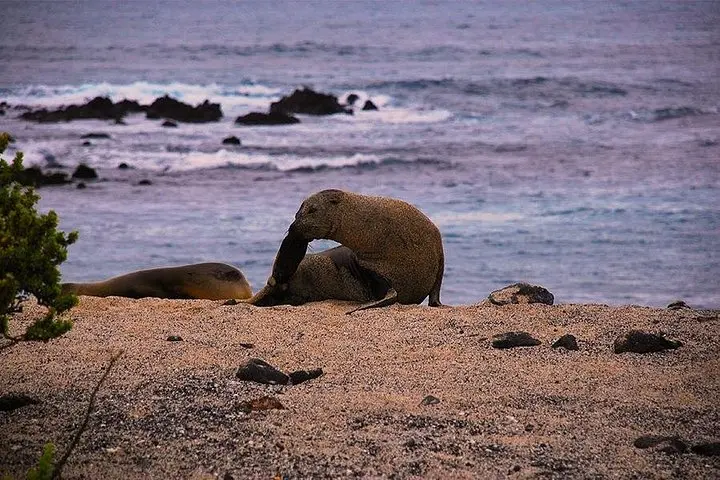
You step off the small plane into a wind that seems to carry salt and stories — the air here pushes you toward the shore and the day’s first hike. The itinerary moves across three islands: San Cristóbal’s rugged headlands and coffee farms, Santa Cruz’s highlands and Charles Darwin Research Station, then Isabela’s volcanic ridgelines and turquoise bays where sea lions claim the rocks.
Verified experiences and guided adventures in the surrounding area.
Operated by Galapagos Tours Nature Galapagos & Ecuador · Puerto Ayora, Galápagos
You step off the small plane into a wind that seems to carry salt and stories — the air here pushes you toward the shore and the day’s first hike. The itinerary moves across three islands: San Cristóbal’s rugged headlands and coffee farms, Santa Cruz’s highlands and Charles Darwin Research Station, then Isabela’s volcanic ridgelines and turquoise bays where sea lions claim the rocks.
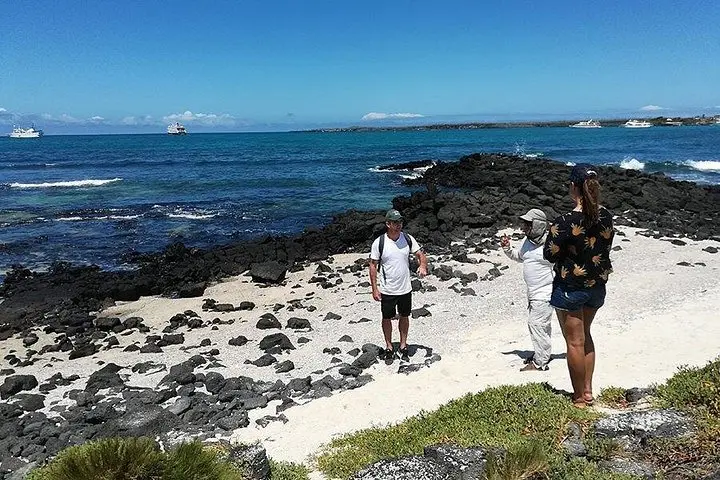
Geology reads like an open book: shield volcanoes and recent lava fields that still show jagged ribs and collapsed craters. Culture here is island-simple — fishing villages, family-run guesthouses, and coffee growers in the highlands. The Galápagos National Park and Charles Darwin Research Station anchor conservation efforts that restored giant tortoise populations and monitor endemic species.
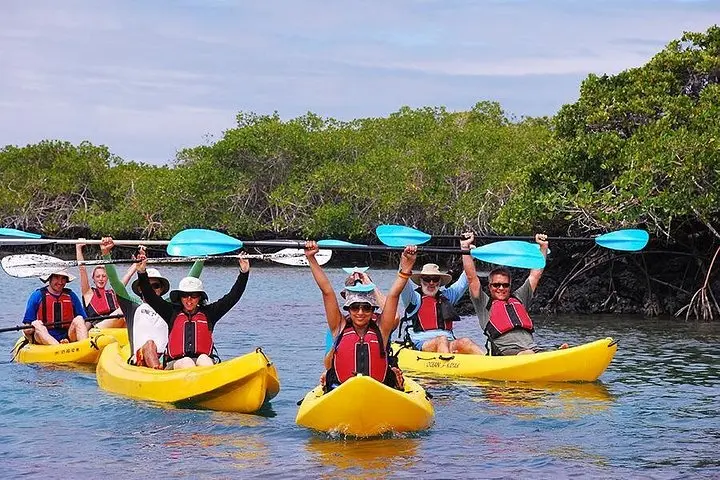
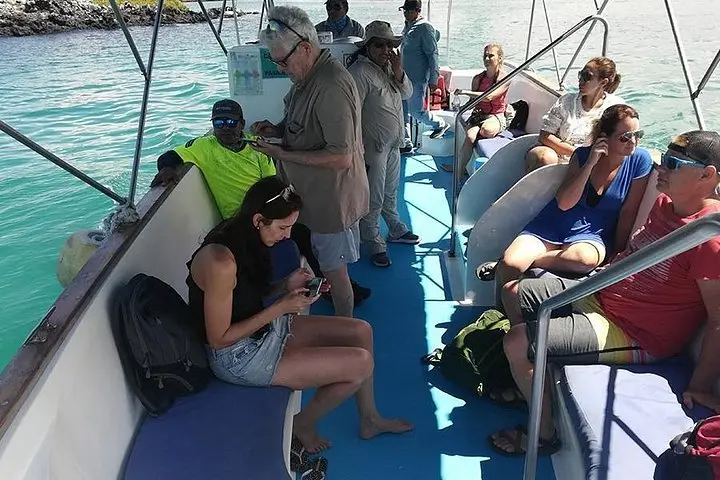
Practically, expect daily activity: 1–3 hour hikes over broken lava and coastal tracks, short inter-island boat transfers, guided snorkels and optional kayak outings. Guides are certified by the park and route changes happen for wildlife protection or sea conditions. Bring reef-safe sunscreen, a dry bag, and shoes that grip on wet volcanic rock.
Timing matters: mornings are cooler and best for wildlife viewing; afternoons suit snorkeling and beaches. Hydrate frequently — the equatorial sun can be deceptive — and budget time between islands to handle transfers and park briefings. This trip balances active exploration with structured conservation-minded visits, so you’ll both encounter emblematic species up close and leave knowing how the islands survive and why thoughtful travel matters.
Yes — the program notes you must purchase air tickets arriving to San Cristóbal and departing from Baltra; schedule flights to match the tour’s start and allow a late outbound on the final day.
Children 11 and up may join; the trip requires moderate fitness and some activities involve open-water snorkeling and rocky hikes, so consider abilities before booking.
Common encounters include giant tortoises, marine iguanas, blue-footed boobies, sea lions, and with luck, sea turtles and rays during snorkeling.
Hotels are selected by class—Economic through First Class—so you choose category at booking and accommodations are private; guided activities are shared with other travelers.
Galapagos Tours Nature Galapagos & Ecuador operates guided outdoor trips and adventures with an emphasis on safety, stewardship, and memorable experiences.
You step off the small plane into a wind that seems to carry salt and stories — the air here pushes you toward the shore and the day’s first hike. The itinerary moves across three islands: San Cristóbal’s rugged headlands and coffee farms, Santa Cruz’s highlands and Charles Darwin Research Station, then Isabela’s volcanic ridgelines and turquoise bays where sea lions claim the rocks.
You step off the small plane into a wind that seems to carry salt and stories — the air here pushes you toward the shore and the day’s first hike. The itinerary moves across three islands: San Cristóbal’s rugged headlands and coffee farms, Santa Cruz’s highlands and Charles Darwin Research Station, then Isabela’s volcanic ridgelines and turquoise bays where sea lions claim the rocks.
Geology reads like an open book: shield volcanoes and recent lava fields that still show jagged ribs and collapsed craters. Culture here is island-simple — fishing villages, family-run guesthouses, and coffee growers in the highlands. The Galápagos National Park and Charles Darwin Research Station anchor conservation efforts that restored giant tortoise populations and monitor endemic species.
Practically, expect daily activity: 1–3 hour hikes over broken lava and coastal tracks, short inter-island boat transfers, guided snorkels and optional kayak outings. Guides are certified by the park and route changes happen for wildlife protection or sea conditions. Bring reef-safe sunscreen, a dry bag, and shoes that grip on wet volcanic rock.
Timing matters: mornings are cooler and best for wildlife viewing; afternoons suit snorkeling and beaches. Hydrate frequently — the equatorial sun can be deceptive — and budget time between islands to handle transfers and park briefings. This trip balances active exploration with structured conservation-minded visits, so you’ll both encounter emblematic species up close and leave knowing how the islands survive and why thoughtful travel matters.