THE ADVENTURE COLLECTIVE® · Independent discovery and booking for outdoor travel

A compact eight‑day circuit that pairs the Golden Triangle’s Mughal and Rajput highlights with two Ranthambore safaris—sunrise Taj views, shared jeep game drives, and Jaipur’s forts. Expect long drives, early mornings, and high wildlife anticipation.
A compact eight‑day circuit that pairs the Golden Triangle’s Mughal and Rajput highlights with two Ranthambore safaris—sunrise Taj views, shared jeep game drives, and Jaipur’s forts. Expect long drives, early mornings, and high wildlife anticipation.
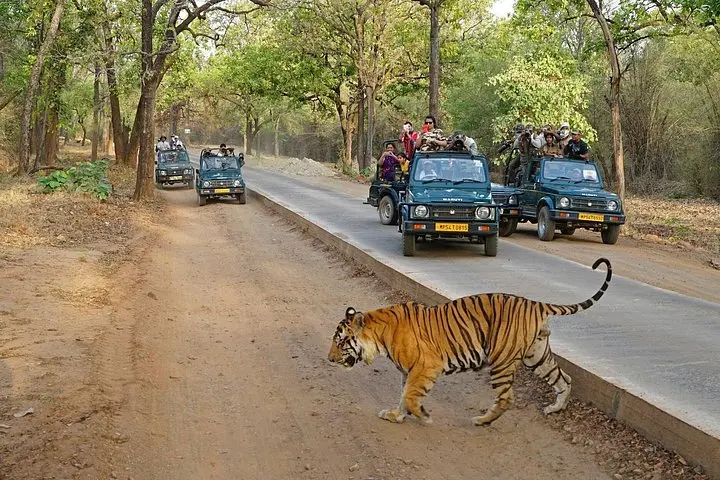
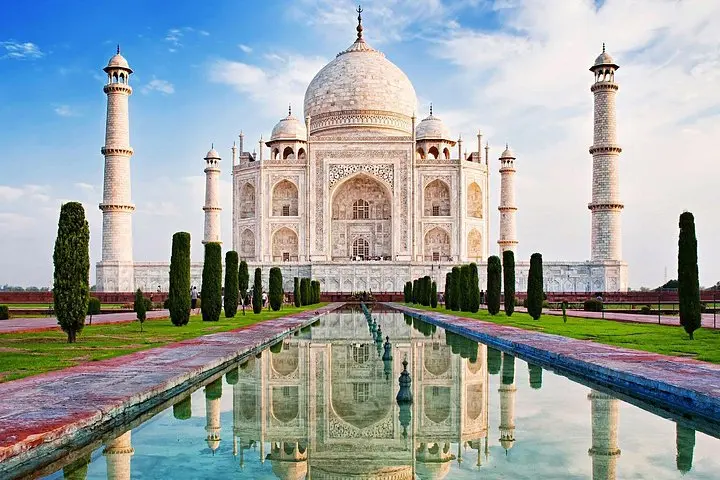
Morning light spills across a wide, honeyed plain as a canter bumps along jungle tracks and the Taj Mahal glows pink at sunrise—this itinerary stitches high‑impact heritage with a true wildlife sprint. Over eight days you move from New Delhi’s colonial boulevards and Mughal monuments to Agra’s riverbank mausoleum, then on to the scrub forests and granite outcrops of Ranthambore for game drives, finishing amid Jaipur’s ramparts and observatories.
Verified experiences and guided adventures in the surrounding area.
Operated by Joyful Holidays · Sawai Madhopur, Rajasthan
Morning light spills across a wide, honeyed plain as a canter bumps along jungle tracks and the Taj Mahal glows pink at sunrise—this itinerary stitches high‑impact heritage with a true wildlife sprint. Over eight days you move from New Delhi’s colonial boulevards and Mughal monuments to Agra’s riverbank mausoleum, then on to the scrub forests and granite outcrops of Ranthambore for game drives, finishing amid Jaipur’s ramparts and observatories.
The route follows centuries of history: Mughal urban planning in Agra and Fatehpur Sikri, Rajput hill forts ringing Jaipur, and Ranthambore’s medieval fortress that crowns a national park now central to India’s tiger conservation efforts. Geologically you travel from the alluvial plains of the Yamuna (lower elevations around 150–200 m) into the undulating Aravalli‑influenced terrain near Ranthambore with rocky ridges rising a few hundred meters—terrain that shapes visibility for safaris and the concentration of wildlife around waterholes.
Culturally, expect layered markets, sacred temples, and regional Rajasthani cuisine; Ranthambore nights mean simpler lodges and early‑morning wake‑ups for safaris. Practicalities: drives between cities are typically 3–6 hours (Delhi→Agra ≈ 3–4 hrs; Agra→Ranthambore via Fatehpur Sikri ≈ 5–6 hrs). Safaris run as two daily shifts of roughly 3–4 hours in shared jeeps/canters; bring binoculars and patience—sighting tigers is never guaranteed.
Pack for hot days, cool mornings, and dusty roads; plan buffer time for traffic; and prioritize responsible viewing—stay with guides, keep noise low, and follow park rules to protect wildlife and the experience for others.
Tiger sightings are possible but not guaranteed; sightings depend on luck, season, and park animal movements—morning safaris increase your odds.
This tour includes two game drives by shared jeep/canter as listed, and guides typically handle park entry and permit logistics.
Yes—transport is by air‑conditioned vehicle and safaris are in approved shared vehicles; however early starts and long drives may be tiring for some.
Carry passport/ID, any required permits or visas, and proof of bookings; the operator may ask for passport details for park entry.
Joyful Holidays operates guided outdoor trips and adventures with an emphasis on safety, stewardship, and memorable experiences.


Morning light spills across a wide, honeyed plain as a canter bumps along jungle tracks and the Taj Mahal glows pink at sunrise—this itinerary stitches high‑impact heritage with a true wildlife sprint. Over eight days you move from New Delhi’s colonial boulevards and Mughal monuments to Agra’s riverbank mausoleum, then on to the scrub forests and granite outcrops of Ranthambore for game drives, finishing amid Jaipur’s ramparts and observatories.
Morning light spills across a wide, honeyed plain as a canter bumps along jungle tracks and the Taj Mahal glows pink at sunrise—this itinerary stitches high‑impact heritage with a true wildlife sprint. Over eight days you move from New Delhi’s colonial boulevards and Mughal monuments to Agra’s riverbank mausoleum, then on to the scrub forests and granite outcrops of Ranthambore for game drives, finishing amid Jaipur’s ramparts and observatories.
The route follows centuries of history: Mughal urban planning in Agra and Fatehpur Sikri, Rajput hill forts ringing Jaipur, and Ranthambore’s medieval fortress that crowns a national park now central to India’s tiger conservation efforts. Geologically you travel from the alluvial plains of the Yamuna (lower elevations around 150–200 m) into the undulating Aravalli‑influenced terrain near Ranthambore with rocky ridges rising a few hundred meters—terrain that shapes visibility for safaris and the concentration of wildlife around waterholes.
Culturally, expect layered markets, sacred temples, and regional Rajasthani cuisine; Ranthambore nights mean simpler lodges and early‑morning wake‑ups for safaris. Practicalities: drives between cities are typically 3–6 hours (Delhi→Agra ≈ 3–4 hrs; Agra→Ranthambore via Fatehpur Sikri ≈ 5–6 hrs). Safaris run as two daily shifts of roughly 3–4 hours in shared jeeps/canters; bring binoculars and patience—sighting tigers is never guaranteed.
Pack for hot days, cool mornings, and dusty roads; plan buffer time for traffic; and prioritize responsible viewing—stay with guides, keep noise low, and follow park rules to protect wildlife and the experience for others.