THE ADVENTURE COLLECTIVE® · Independent discovery and booking for outdoor travel

A focused eight-day circuit through New Delhi, Agra, Jaipur and Amritsar that pairs sunrise views of the Taj Mahal with the Golden Temple and the Wagah border ceremony. Practical, paced, and rich in Mughal and Rajput history.
A focused eight-day circuit through New Delhi, Agra, Jaipur and Amritsar that pairs sunrise views of the Taj Mahal with the Golden Temple and the Wagah border ceremony. Practical, paced, and rich in Mughal and Rajput history.
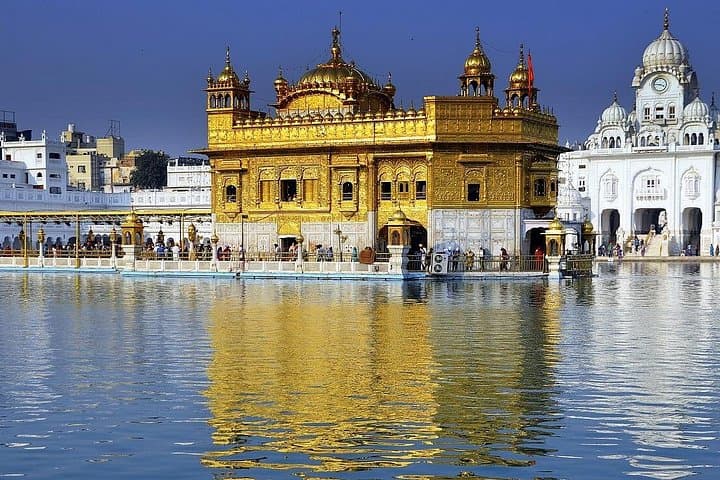
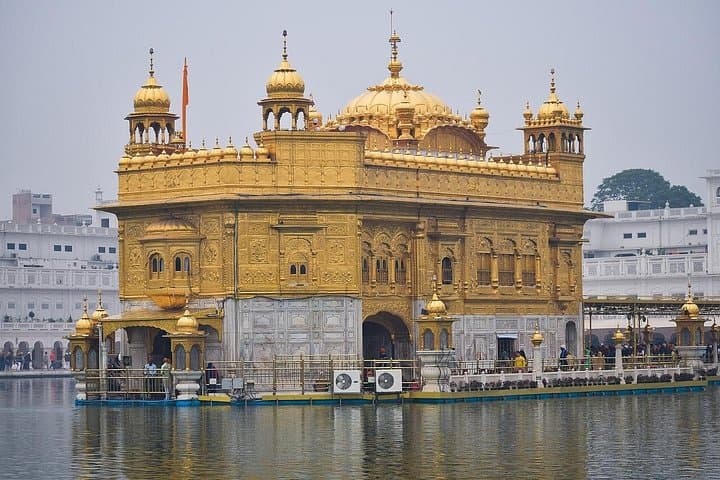
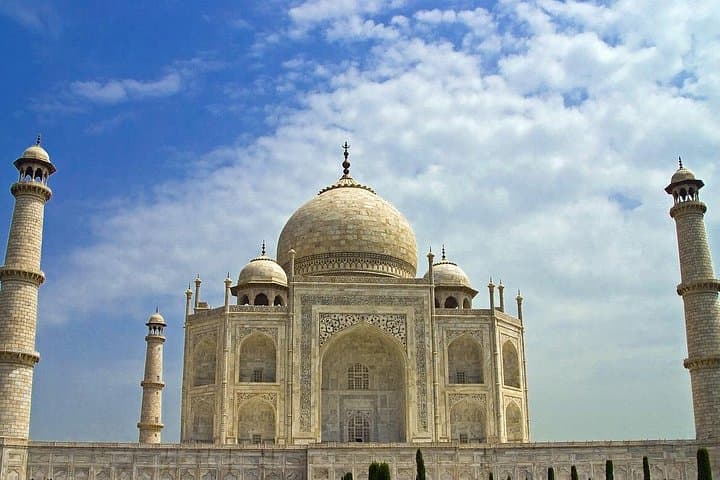
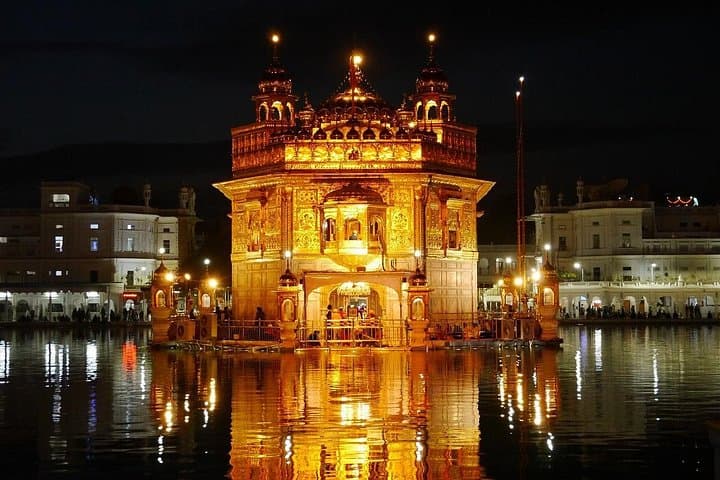
Morning light draws a city awake as rickshaws thread through Old Delhi and the scent of frying spices lifts from market lanes. On this eight-day circuit, travelers move from the wide avenues of New Delhi to the white marble calm of the Taj Mahal, across Jaipur's pink streets to Amritsar's gilded sanctum, each day folding a different pace into the itinerary.
Verified experiences and guided adventures in the surrounding area.
Operated by Golden Triangle Tour - India Bound Tour · New Delhi, Delhi
Morning light draws a city awake as rickshaws thread through Old Delhi and the scent of frying spices lifts from market lanes. On this eight-day circuit, travelers move from the wide avenues of New Delhi to the white marble calm of the Taj Mahal, across Jaipur's pink streets to Amritsar's gilded sanctum, each day folding a different pace into the itinerary.
The route is classic for northern India: Mughal-era monuments in Delhi and Agra, Rajput palaces in Jaipur, and Sikh history concentrated around the Harmandir Sahib and Jallianwala Bagh. Geology shifts subtly — the alluvial plains beside the Yamuna give way to the semi-arid scrub around Jaipur; red sandstone and marble mark imperial ambition, while marble inlay and carved jali work showcase centuries of regional craft. Local culture alternates between temple rituals, market bargaining, and military pageantry at the Wagah border.
Practical planning is straightforward but firm: expect sunrise visits at the Taj, early train transfers to Amritsar, and repeated short walks and stair climbs at forts and museums. Comfortable walking shoes, sun protection, and layered clothing for cool mornings are essential. Allow time for queuing at major sites and for temple etiquette — head coverings and modest dress. Hydrate often, carry photocopies of travel documents, and book train segments in advance for the Shatabdi service. The trip balances curated logistics with frequent on-foot exploration, rewarding travelers with close-up encounters of iconic architecture, lively bazaars, and deep historical context.
Most foreign nationals need an Indian visa; check current e-visa rules for your country and obtain it before travel.
Tip guides and drivers modestly if service is good; 5-10% in restaurants and small notes to staff are customary.
Visitors must cover their heads, remove shoes, and dress modestly; scarves are usually available but bringing your own is recommended.
Shatabdi day trains are air-conditioned and generally comfortable; book reserved seats to ensure availability.
Golden Triangle Tour - India Bound Tour operates guided outdoor trips and adventures with an emphasis on safety, stewardship, and memorable experiences.
Morning light draws a city awake as rickshaws thread through Old Delhi and the scent of frying spices lifts from market lanes. On this eight-day circuit, travelers move from the wide avenues of New Delhi to the white marble calm of the Taj Mahal, across Jaipur's pink streets to Amritsar's gilded sanctum, each day folding a different pace into the itinerary.
Morning light draws a city awake as rickshaws thread through Old Delhi and the scent of frying spices lifts from market lanes. On this eight-day circuit, travelers move from the wide avenues of New Delhi to the white marble calm of the Taj Mahal, across Jaipur's pink streets to Amritsar's gilded sanctum, each day folding a different pace into the itinerary.
The route is classic for northern India: Mughal-era monuments in Delhi and Agra, Rajput palaces in Jaipur, and Sikh history concentrated around the Harmandir Sahib and Jallianwala Bagh. Geology shifts subtly — the alluvial plains beside the Yamuna give way to the semi-arid scrub around Jaipur; red sandstone and marble mark imperial ambition, while marble inlay and carved jali work showcase centuries of regional craft. Local culture alternates between temple rituals, market bargaining, and military pageantry at the Wagah border.
Practical planning is straightforward but firm: expect sunrise visits at the Taj, early train transfers to Amritsar, and repeated short walks and stair climbs at forts and museums. Comfortable walking shoes, sun protection, and layered clothing for cool mornings are essential. Allow time for queuing at major sites and for temple etiquette — head coverings and modest dress. Hydrate often, carry photocopies of travel documents, and book train segments in advance for the Shatabdi service. The trip balances curated logistics with frequent on-foot exploration, rewarding travelers with close-up encounters of iconic architecture, lively bazaars, and deep historical context.