THE ADVENTURE COLLECTIVE® · Independent discovery and booking for outdoor travel

Walk limestone gorges and car-free coastal bays on this eight-day loop from Chania. From Imbros and Aradena to the famous Samaria descent, expect long days on mule tracks, marble beaches, herb farms and family-run hotels.
Walk limestone gorges and car-free coastal bays on this eight-day loop from Chania. From Imbros and Aradena to the famous Samaria descent, expect long days on mule tracks, marble beaches, herb farms and family-run hotels.
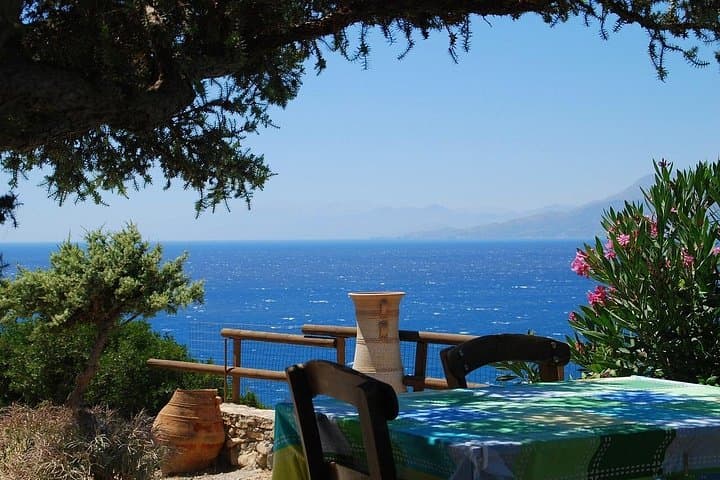
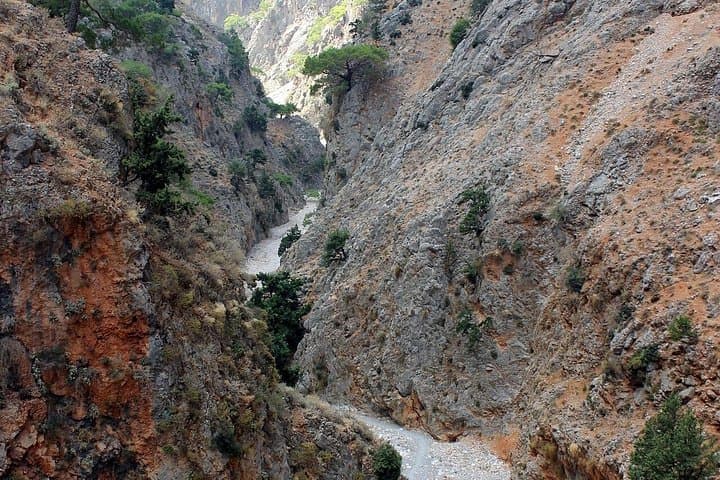
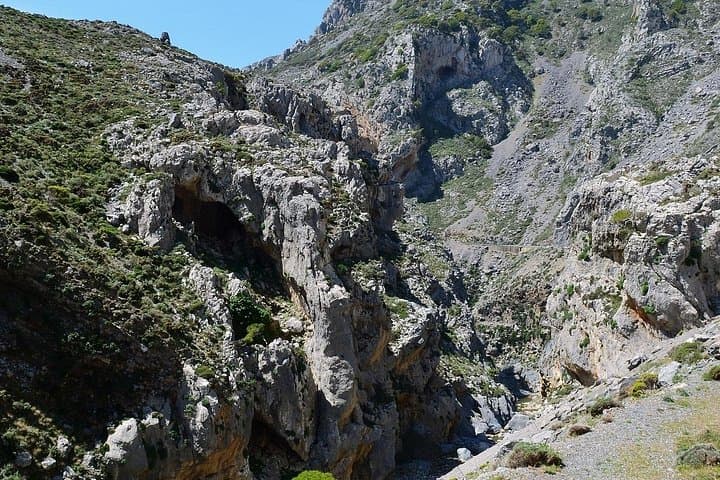
The morning light slices across the limestone walls of Imbros Gorge and the air smells of crushed thyme and salt. You step off a narrow mule track, the sea murmuring somewhere below, and the day stretches like the map you’ve been promising to follow. Over eight days from Chania, this loop threads the wild coastline and high plateaus of southwest Crete: Imbros and Aradena gorges, the car-free coves of Loutro and Agia Roumeli, the famous Samaria descent and forgotten stone paths used long ago by shepherds.
Verified experiences and guided adventures in the surrounding area.
Operated by MOYSIDIS TRAVEL · Chania, Crete
The morning light slices across the limestone walls of Imbros Gorge and the air smells of crushed thyme and salt. You step off a narrow mule track, the sea murmuring somewhere below, and the day stretches like the map you’ve been promising to follow. Over eight days from Chania, this loop threads the wild coastline and high plateaus of southwest Crete: Imbros and Aradena gorges, the car-free coves of Loutro and Agia Roumeli, the famous Samaria descent and forgotten stone paths used long ago by shepherds.
Geology here is blunt and honest: uplifted limestone and schist carved by seasonal torrents into sheer-walled gorges, marble pebbles that flash in the surf at Marmara, and the flat, wind-swept Omalos plateau where glacial action long ago left a chalky plain above the sea. The routes follow old mule roads and E4 trail sections—paths cut by human traffic over centuries, with Venetian bridges and Byzantine chapels dotted where villages found fresh springs.
Crete’s culture sits close to the ground. Villages like Livaniana and Anidri live by olive groves, goats, and a slow kafeneion rhythm: strong coffee, sharper conversations, recipes that begin and end with local herbs. Guides point out thyme and dittany plants used since antiquity; on the herb farm near Omalos you can taste how these flavors shape Cretan food and medicine.
The trip balances scenery with logistics. Daily hikes range from gentle 3–5 hour coastal traverses to full-day efforts—Samaria is the longest, with roughly 13 km and 1,250 m of elevation change the day you cross down to the coast. Luggage moves between hotels, and most nights are in family-run guesthouses or small hotels on a bed-and-breakfast basis. Meals include breakfasts, six lunches and seven dinners; expect many picnics and tavernas where seafood arrives still warm from the afternoon catch.
Practical edge: start early on hot days, carry 2–3 liters of water, and use sturdy boots with good grip for riverbed walking and loose scree. Bring a swim kit for impromptu dips at Glyka Nera or Marmara, and a lightweight waterproof—weather can turn on the higher plateaus. Fitness requirements skew toward challenging: moderate to experienced hikers benefit most, especially on the Samaria day and long coastal links. Insurance, sensible footwear, and sun protection are not optional.
This is an adventure that asks you to walk in the shape of the island: uphill toward history, downhill into the sea. It rewards you with salt on your lips, stone steps underfoot, and those rare evenings when a village light seems to belong only to your group.
Samaria is the longest and most demanding day: expect about 13 km and 1,250 m of elevation loss; good fitness and steady pace are required.
Yes—daily luggage transfers between accommodations are included so you only carry a daypack on hikes.
No technical climbing gear is needed; some routes use fixed paths and stone steps—sturdy boots and poles are recommended.
Not ideal for complete beginners—participants should have prior multi-hour hiking experience and reasonable fitness.
Breakfasts, six lunches and seven dinners are included; some lunches are picnic-style while dinners are at local tavernas.
If Samaria is closed the operator substitutes an alternative route and keeps overnight locations similar; the guide will adapt the itinerary for safety.
MOYSIDIS TRAVEL operates guided outdoor trips and adventures with an emphasis on safety, stewardship, and memorable experiences.

The morning light slices across the limestone walls of Imbros Gorge and the air smells of crushed thyme and salt. You step off a narrow mule track, the sea murmuring somewhere below, and the day stretches like the map you’ve been promising to follow. Over eight days from Chania, this loop threads the wild coastline and high plateaus of southwest Crete: Imbros and Aradena gorges, the car-free coves of Loutro and Agia Roumeli, the famous Samaria descent and forgotten stone paths used long ago by shepherds.
The morning light slices across the limestone walls of Imbros Gorge and the air smells of crushed thyme and salt. You step off a narrow mule track, the sea murmuring somewhere below, and the day stretches like the map you’ve been promising to follow. Over eight days from Chania, this loop threads the wild coastline and high plateaus of southwest Crete: Imbros and Aradena gorges, the car-free coves of Loutro and Agia Roumeli, the famous Samaria descent and forgotten stone paths used long ago by shepherds.
Geology here is blunt and honest: uplifted limestone and schist carved by seasonal torrents into sheer-walled gorges, marble pebbles that flash in the surf at Marmara, and the flat, wind-swept Omalos plateau where glacial action long ago left a chalky plain above the sea. The routes follow old mule roads and E4 trail sections—paths cut by human traffic over centuries, with Venetian bridges and Byzantine chapels dotted where villages found fresh springs.
Crete’s culture sits close to the ground. Villages like Livaniana and Anidri live by olive groves, goats, and a slow kafeneion rhythm: strong coffee, sharper conversations, recipes that begin and end with local herbs. Guides point out thyme and dittany plants used since antiquity; on the herb farm near Omalos you can taste how these flavors shape Cretan food and medicine.
The trip balances scenery with logistics. Daily hikes range from gentle 3–5 hour coastal traverses to full-day efforts—Samaria is the longest, with roughly 13 km and 1,250 m of elevation change the day you cross down to the coast. Luggage moves between hotels, and most nights are in family-run guesthouses or small hotels on a bed-and-breakfast basis. Meals include breakfasts, six lunches and seven dinners; expect many picnics and tavernas where seafood arrives still warm from the afternoon catch.
Practical edge: start early on hot days, carry 2–3 liters of water, and use sturdy boots with good grip for riverbed walking and loose scree. Bring a swim kit for impromptu dips at Glyka Nera or Marmara, and a lightweight waterproof—weather can turn on the higher plateaus. Fitness requirements skew toward challenging: moderate to experienced hikers benefit most, especially on the Samaria day and long coastal links. Insurance, sensible footwear, and sun protection are not optional.
This is an adventure that asks you to walk in the shape of the island: uphill toward history, downhill into the sea. It rewards you with salt on your lips, stone steps underfoot, and those rare evenings when a village light seems to belong only to your group.